How Southeast Asian Humidity Affects Solid Wood Furniture in Singapore
Singapore’s warm, humid climate can change solid wood furniture faster than many buyers expect. In HDB flats and private condos across Tampines, Bedok and Punggol, indoor relative humidity often rises to 65–80% during the monsoon period, while air-conditioned rooms may fall to 40–50%. Those swings affect timber movement, joints, finishes and even stone surfaces. The solution is not simply to buy low-maintenance furniture. It is to understand how humidity moves through wood, choose suitable construction, allow delivery and installation to settle properly, and maintain a sensible indoor range.
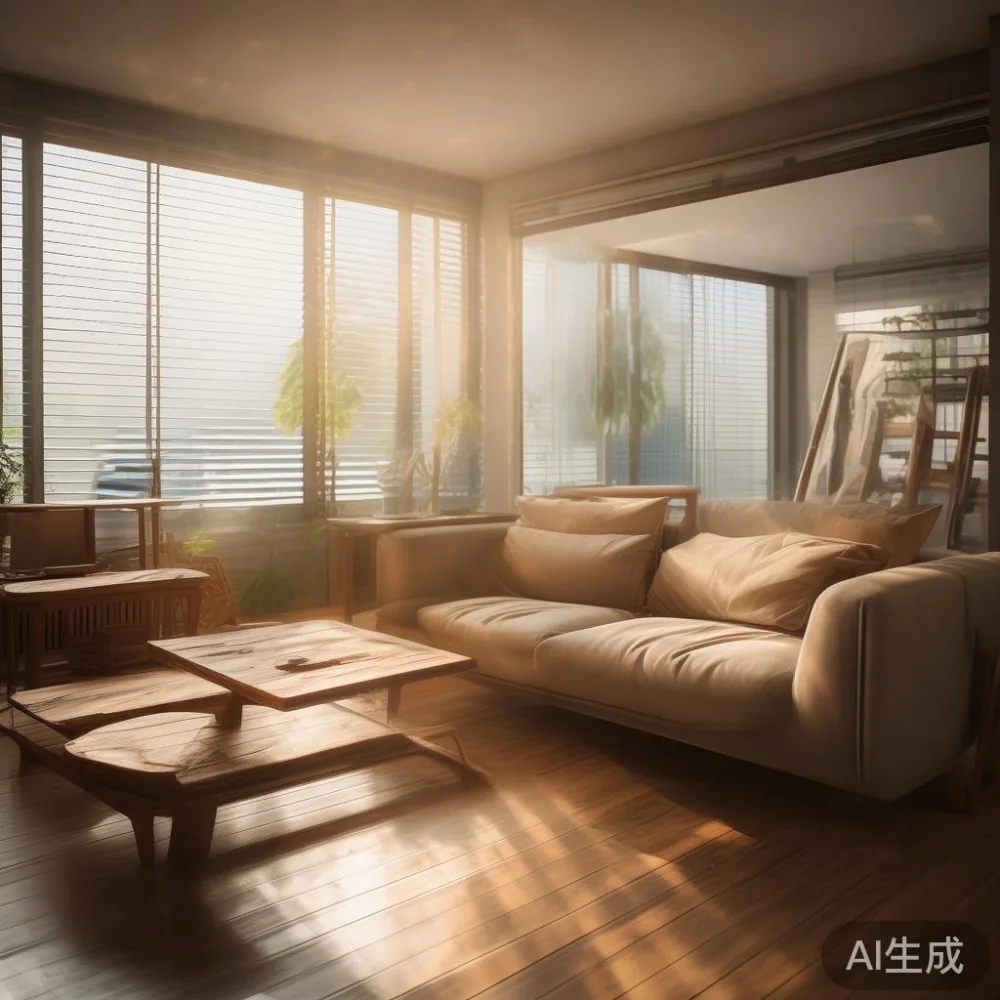
This guide explains how to protect a solid wood sofa, bed frame, dining table, wardrobe or nightstand while keeping the look light and refined. For buyers working with a budget under1000, practical planning matters: a 180 cm solid wood dining table, a 150 cm bed frame and a 90 cm wardrobe may fit the financial plan, but only if their dimensions can be carried through lifts and corridors and their moisture needs are understood.
MIDHILL designs solid wood furniture for international use, with a 10-year structural warranty and lifetime refinishing service. Its Southeast Asian context is useful because local humidity is not an occasional issue. It is a year-round condition that should shape product selection.
Why does humidity make solid wood furniture move?
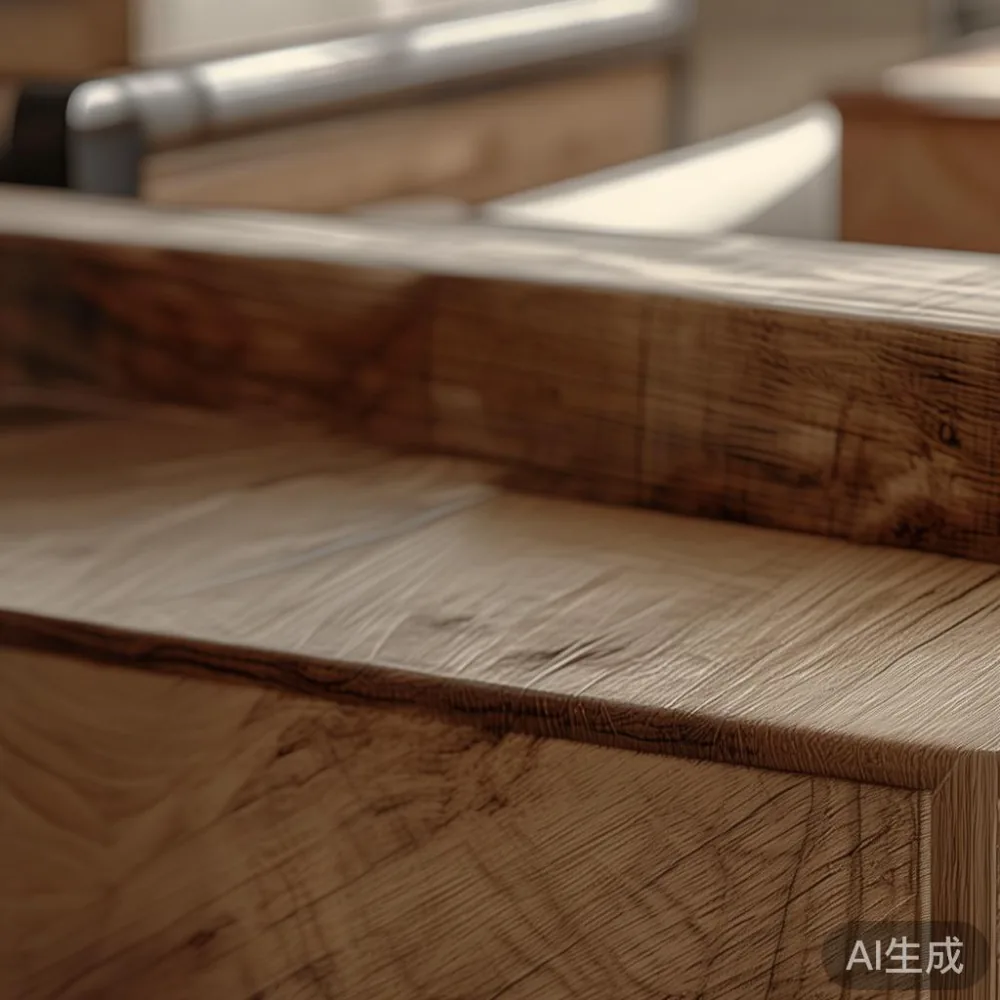
Wood is hygroscopic: it absorbs moisture when the surrounding air is humid and releases it when the air becomes drier. A solid oak dining table may expand by roughly 1–3 mm across its width under seasonal variation. A solid wood bed frame can develop small gaps around joints, while a wardrobe door may sit differently in June compared with January. These movements are normal in solid timber and should not automatically be treated as structural failure.
Singapore’s location near the equator means high ambient moisture for much of the year. An un-air-conditioned balcony or a ground-floor unit in Bedok may experience 75–85% relative humidity. Inside a Tampines HDB flat with air conditioning, readings can still shift by 15–25 percentage points over a day as doors open, laundry dries and cooking adds vapour.
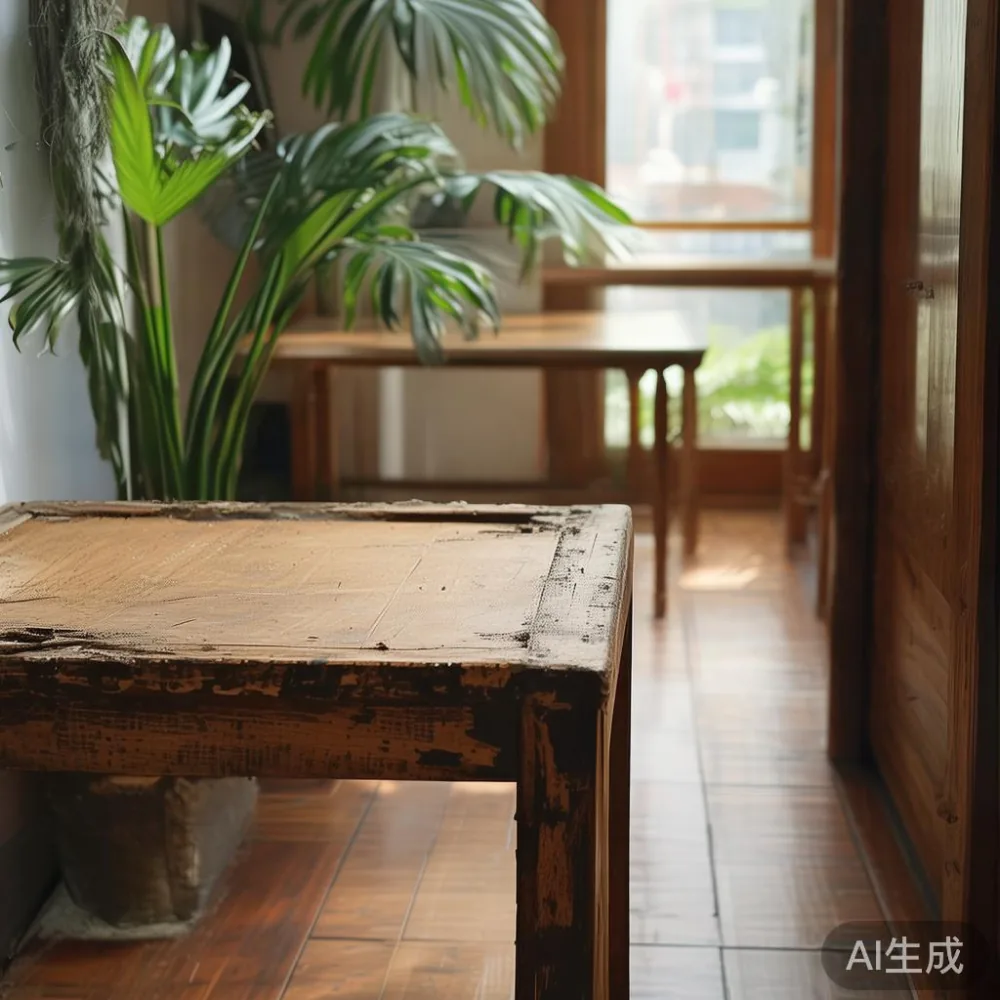
The risk comes from speed and repetition. A slow, even seasonal change usually causes manageable movement. Rapid changes can stress lacquer, glue lines and veneered panels. Direct airflow from an air-conditioner vent should also be avoided because it dries one edge more quickly than the opposite side.
For a practical target, keep frequently used wood furniture around 45–60% relative humidity and no more than about 10 percentage points away from the adjoining room. A cheap hygrometer costing SGD 15–30 is enough for a bedroom or living area. Place it near the furniture, not beside the bathroom or kitchen.
What should buyers check before delivery?
Begin with the wood species and product construction. Kiln-dried solid wood is preferable for Singapore interiors because its moisture content is adjusted before assembly. Ask the supplier for the expected indoor relative humidity range and the finish type. A hardwax oil or matte, breathable finish generally tolerates seasonal movement more forgivingly than a thick, brittle film.
Measure the route before choosing the largest configuration. A standard HDB lift interior may be only about 110 cm wide and 135–140 cm deep, with a door opening near 90 cm. A private condo may offer larger lifts, but the route still turns at corridors and stair landings. For a 200 cm dining table, check whether it can be angled through the lift; otherwise, ask whether the legs can be removed and fitted after delivery. The same check applies to a 180–220 cm wardrobe and a 210 cm solid wood bed frame.
Budget under1000 does not mean accepting vague dimensions. A product listing should show the assembled length, width, height, removable parts and delivery packaging. Allow 2–4 cm of clearance for handles, feet and angled turns, not merely the nominal body of the cabinet.
Check the building’s delivery booking requirements as well. HDB blocks often restrict moving companies to designated hours, while condos may require a loading-bay reservation or protective floor covering. These services can affect the delivery date by 1–3 days. MIDHILL offers delivery on qualifying orders over US$350, and Singapore buyers should confirm the final SGD amount, GST and any access charges before checkout.
Which solid wood furniture pieces need the most attention?
A solid wood sofa requires attention around the frame, feet and seat platform. Leather and fabric cushions may feel different in humid weather, but timber movement is controlled by stable indoor conditions rather than by repeatedly wiping the frame. For compact Singapore bedrooms, discussions of how to choose Italian light luxury sofa may sound unrelated to humidity, yet upholstery density, breathable fabric and removable covers remain useful considerations. A tight-fitting timber frame should have joint clearance so seasonal expansion does not create pressure against upholstery.
A solid wood bed frame is usually less demanding because it sits above the floor. Watch the centre rail, slat supports and headboard connection. In a Punggol room with an exterior wall, keep the frame 15–20 cm away from a persistent cold-air outlet. This detail can reduce drying-related checking in the headboard.
A dining table experiences larger surface-area changes than most furniture. Solid oak or ash can move across the grain, while movement along the grain is much smaller. Use a stable indoor location and avoid placing hot dishes directly on timber. For lower humidity, a round table with a pedestal base can tolerate seasonal variation more neatly than a long top supported by tight corner joints, although both can be properly engineered.
A wardrobe is usually the most space-sensitive piece. Its doors may be flat, framed or framed-and-panelled, and each design reacts slightly differently. Search terms such as how to choose European wardrobe often focus on proportion and finish, but Singapore buyers should add door clearance, ventilation and lift dimensions to the checklist. A 120 cm wardrobe needs at least 125 cm of route clearance after packaging and handles are included.
A nightstand is compact but sensitive to being placed next to an air-conditioner or window. A marble table needs a different moisture strategy: marble is not affected by humidity in the same way as wood, but its support frame, adhesive and base can still be influenced by the room environment.
How do HDB flats, condos and lifts change the buying decision?
Singapore’s high-rise homes make delivery logistics part of the furniture purchase. A 180 cm dining table packaged for export may have a carton 190–205 cm long. In a lift with a 140 cm diagonal, the carton may fit, but a 210 cm bed frame may not. A wardrobe arriving as two 105–115 cm panels is much easier to move than one sealed 220 cm cabinet.
For corridors, reserve at least 100–120 cm of turning width where possible. In older HDB blocks, a 90 cm door can be the limiting point. Measure the actual opening, not the building brochure. If a table cannot pass, ask for an in-room assembly option. This is not assembly in the workshop; it means the top or doors are joined only after the pieces reach the unit.
Air-conditioning is a double-edged advantage. It lowers humidity in the occupied room, but frequent on-and-off cycling can create local drying. Set the system to maintain about 24–26°C rather than an excessively cold 20–22°C, and aim for 50–60% relative humidity with the room doors open. A bedroom at 65% humidity next to a dry study at 40% can still expose furniture to repeated changes when doors are opened.
Condo owners should also consider sun-exposed glass and west-facing windows. UV can fade finishes even when moisture is controlled. Use curtains or UV film, and avoid assuming an unroom is climate-controlled all day.
Is a solid wood sofa or bed frame better for humid Singapore homes?
Both can work well if the timber is properly dried and the furniture is moved indoors. Solid timber gives a warmer material response than metal, but it should not be treated as waterproof. A sofa with solid wood legs, a durable frame and removable covers is easier to maintain than an upholstered piece permanently trapped in damp conditions.
Buyers comparing options can use the American bed vs Modern bed distinction as a starting point for visual style, not moisture performance. A modern platform bed may use a lower profile and fewer visible rails, while an American bed often has a substantial framed headboard. Both should be checked for centre-rail support and clearance beneath the frame. For smaller rooms, the phrase Post-modern for small living room can guide lighter visual proportions, but footprint planning remains more important than a decorative label.
The same principle applies when considering how to style American sofa in bedroom. A solid wood sofa frame in a living room and a timber bench at the foot of a bed should share stable humidity conditions. Avoid moving furniture between a 70%-humidity room and a 40%-humidity room every few days.
For guest rooms, French provincial for guest room styling often introduces pale upholstery, curved profiles and light-toned timber. These details suit many Tampines and Bedok apartments, yet fabric should be breathable and removable where possible. The less wood is trapped against walls and carpets, the easier air can circulate around it.
How should you care for wood after it arrives?
Let the furniture acclimate for 48–72 hours before tightening parts, applying coatings or placing heavy objects on it. This does not mean leaving an outdoor carton in a corridor during a thunderstorm. Move the pieces into the unit, remove packaging, keep them 10–15 cm from walls where possible, and allow normal room air to reach all sides.
Clean with a soft, slightly damp cloth and dry immediately. Avoid household sprays containing ammonia, alcohol or silicone unless the finish supplier confirms compatibility. For an oily finish, use a dedicated wood-care product every 12–24 months in a dry period. For lacquered pieces, follow the coating instructions and test a small hidden area first.
Watch for warning signs. A gap of 1–2 mm around a seasonal joint may be normal. Deep splits longer than 30–50 mm, warped doors that bind repeatedly, or mould around a persistently damp base deserve attention. Keep furniture at least 5–10 cm above the floor in humid areas and inspect under sinks or near open windows.
Do not attempt to correct moisture-related movement with extreme heat or a heavily soaked cloth. Sudden heating and wetting can cause larger cracks. If conditions remain outside 40–65% for several weeks, improve ventilation or use a modest dehumidifier, guided by the hygrometer rather than by a timer alone.
How can buyers keep a light-luxury look on a budget under1000?
Light luxury works best through proportion, texture and restrained details. A 150–180 cm solid wood dining table can feel more refined than a visually crowded 200 cm model. A slim 45 cm nightstand, a 120–150 cm wardrobe and a compact solid wood sofa frame can create a composed room without filling every wall.
For the sofa, searches for how to choose Italian light luxury sofa often highlight clean lines, tactile upholstery and careful framing. Those principles translate into an affordable Singapore home: choose neutral fabric, repeat one timber tone across two pieces and limit accent colours to 2–3. For a marble table, let the stone provide contrast while the surrounding furniture stays visually light.
When comparing pieces, ask for full dimensions, timber species, finish, moisture preparation, joint construction and warranty coverage. Confirm whether the quoted price includes GST. In Singapore, GST is currently 9%, so a pre-GST amount of SGD 880 becomes SGD 959.20. A pre-GST price of SGD 900 becomes SGD 981.00. Both remain budget under1000 before delivery or access charges, so check the final invoice rather than relying on the base price.
MIDHILL’s 14-day returns policy and lifetime refinishing option can reduce long-term risk, particularly for a family home where a bedroom changes from child use to guest use. A 10-year structural warranty adds useful coverage for load-bearing components, although finish care and environmental limits should still be understood.
What is the practical humidity checklist?
Use this 7-point routine before and after delivery:
1. Measure the room at 3–4 times during the day, including after cooking or showering, and aim for 45–60% relative humidity. A reading of 70% for 30 minutes is manageable; several consecutive days above 70% need attention.
2. Check lift doors, lift depth, corridor turns and stair widths. Leave at least 2–4 cm beyond the stated furniture dimensions, and more for packaging.
3. Ask whether large components can be separated. A 180 cm table with detachable legs is easier to carry than a single 190 cm top.
4. Position solid wood furniture away from air-conditioner outlets, damp exterior walls and open bathroom doors. Maintain 10–20 cm of wall clearance where space allows.
5. Acclimate indoor furniture for 48–72 hours, then follow the supplier’s assembly instructions. Avoid tightening every fixing more forcefully than specified.
6. Use coasters, felt pads and stable storage. Keep paper, textiles and wooden accessories away from walls so they do not trap moisture.
7. Review the final SGD total, delivery date, GST, lift booking and return terms. For international orders above US$350, MIDHILL’s stated shipping offer applies, while local access charges should be confirmed separately.
Humidity does not disqualify solid wood in Southeast Asia. It makes careful selection more important. Choose stable indoor conditions, realistic dimensions, compatible finishes and a delivery route that suits HDB or condo access. With those details handled, a solid wood sofa, bed frame, dining table, wardrobe, nightstand or marble table can retain its character for many years while remaining comfortable to live with every day.