Defending Your Home: Humidity-Proof Wood Furniture in Singapore
Singapore’s warm, humid climate can make solid wood furniture move more than many owners expect. In HDB flats and private condos from Tampines to Bedok and Punggol, indoor humidity may rise during monsoon periods, while air-conditioning repeatedly dries the air later in the day. That cycle affects oak, ash, teak, walnut and other solid wood species used in a solid wood sofa, bed frame, dining table, wardrobe or nightstand.
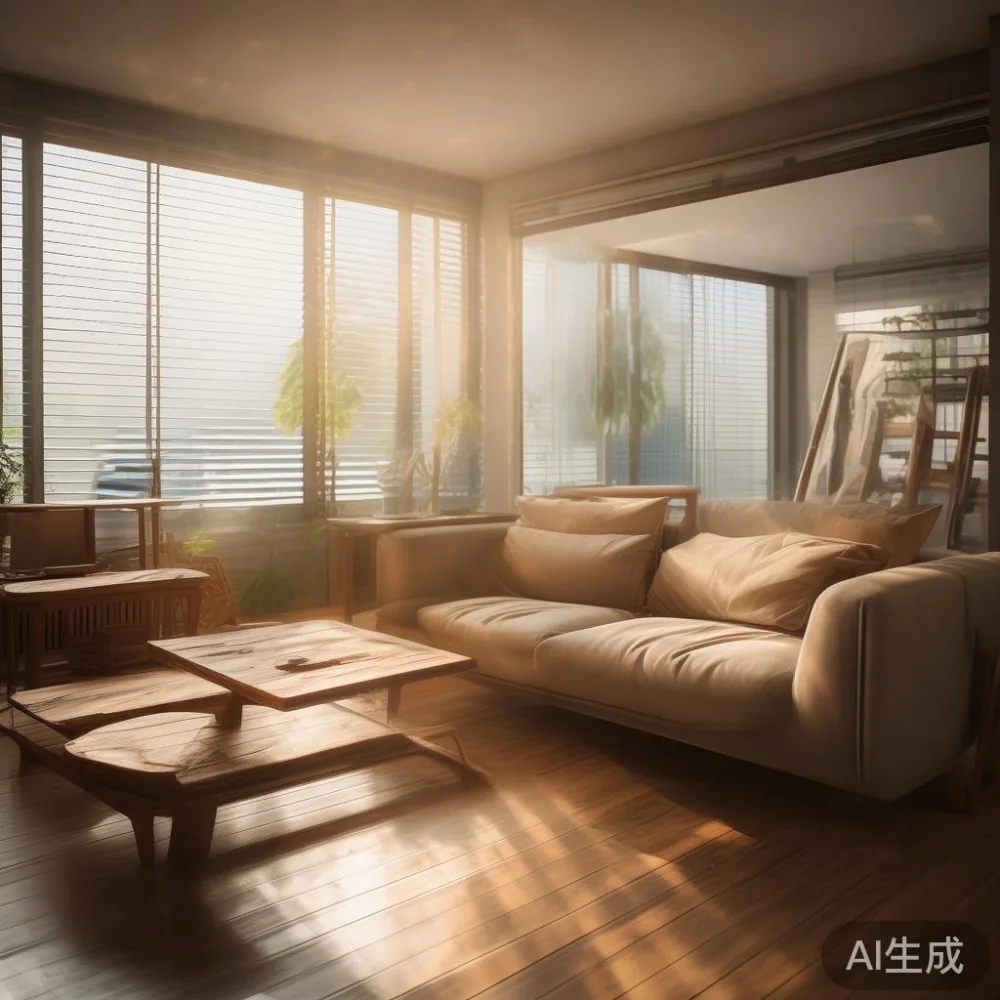
This guide explains how moisture changes wood, how to recognise warning signs, and how to choose furniture that remains suitable for Singapore homes. It also considers narrow HDB corridors, compact lift doors and the practical value of buying under a specific budget rather than accepting avoidable damage.
Why does humidity affect solid wood furniture in Singapore?
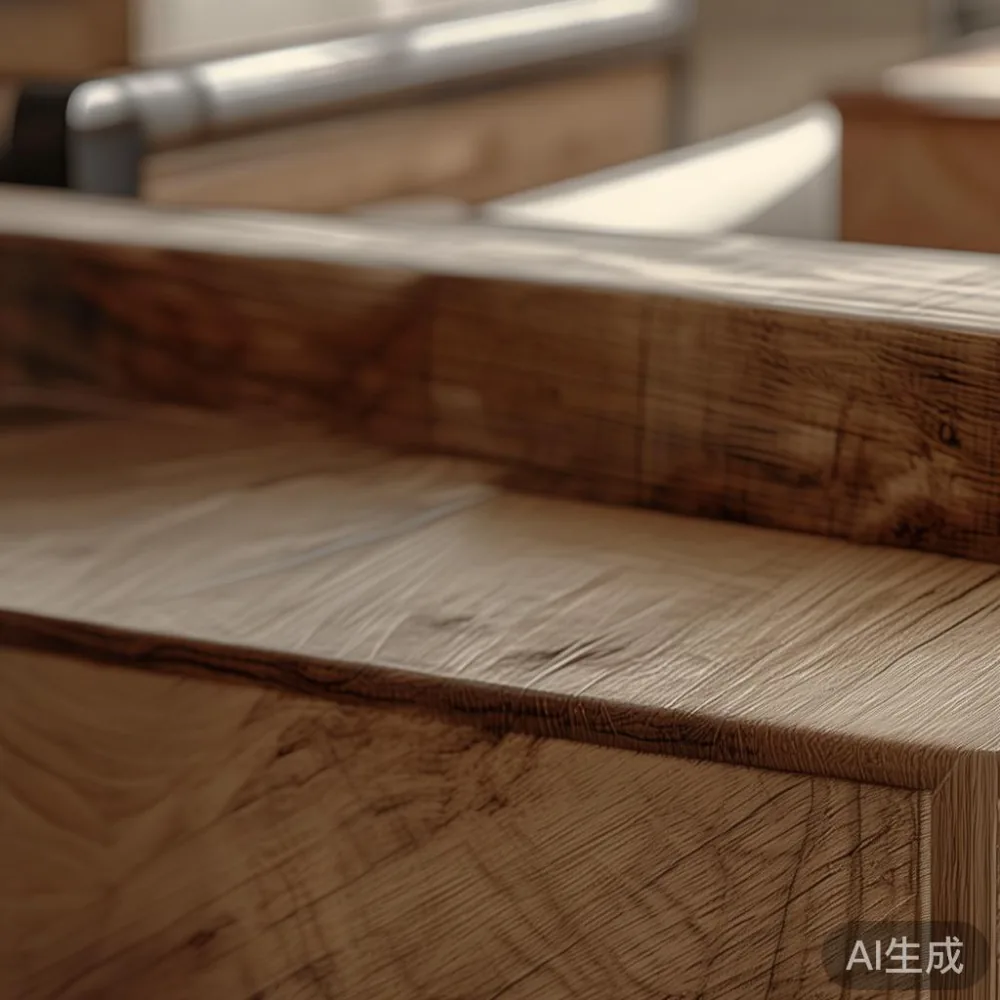
Wood is hygroscopic: it absorbs moisture when the surrounding air is humid and releases it when the air is dry. A dining table may gain width across its grain, while a door or drawer front can swell against its frame. Movement of roughly 1–3 mm is sometimes tolerable, but repeated swelling and shrinkage can loosen joints, create gaps or encourage mould if moisture remains trapped.
Singapore’s annual rainfall is around 2,340 mm, and outdoor relative humidity commonly ranges from approximately 65% to 90%. Indoors, the range can be wider because a room may be near a west-facing window at night and air-conditioned during the afternoon. Aim for about 40%–60% relative humidity where practical, with stable temperatures around 22–28°C. A small hygrometer placed near—not directly against—a timber wall can cost about SGD 20–50 and provide a useful reading.
The damage is rarely caused by one humid day. A wardrobe beside a bathroom shower, a bed frame near an open window or a dining table close to an air-conditioning vent may experience cycles every day. A constant indoor humidity of 70% for several weeks presents more concern than a brief shift from 55% to 65%.
What changes should I look for on a solid wood dining table?
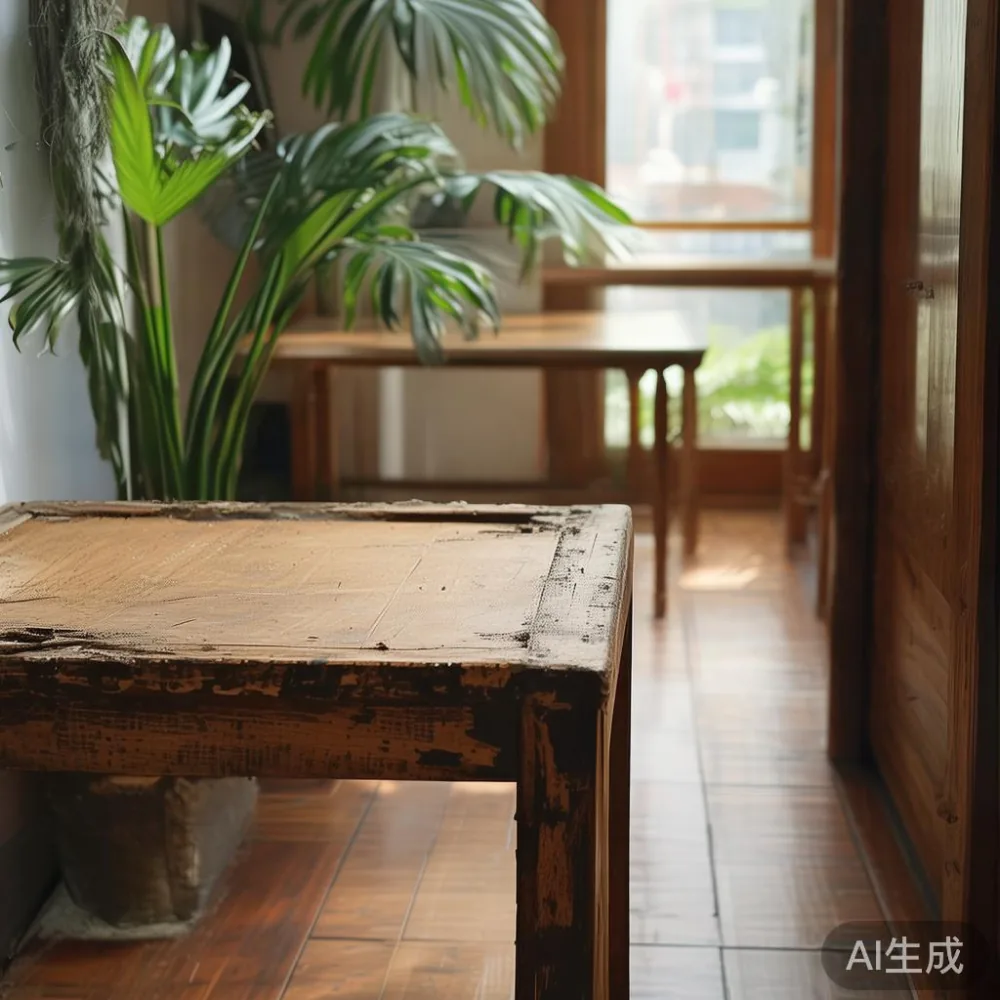
Watch for a wavy tabletop, a faint pale line between boards, doors that catch and sticky drawer runners. Measure a suspected area with a steel rule: more than 2 mm of unevenness over 50 cm deserves investigation. Lift the table slightly and look for daylight entering a joint. A hairline gap under 0.5 mm can be ordinary, while a gap that grows after a rainy week may indicate movement or an uneven support.
Careful wiping is more informative than a casual touch. Wipe a damp cloth across the surface, wait 30 minutes, and inspect for dull patches or trapped grit. Do not soak the timber, and never leave a wet cloth overnight. Coasters with at least 3 mm of thickness help protect the finish from heat and moisture; place them at least 15 cm from a candle, lamp or hot soup.
For compact Singapore dining rooms, a table measuring 120 × 75 cm can seat 4 people, while 150 × 90 cm can accommodate 6. Solid timber may weigh around 35–55 kg for the smaller size. Check a lift’s internal dimensions and door width before delivery: a common HDB lift door is about 80–90 cm wide, with a cabin depth near 130–140 cm. A marble table is heavier still and should never be lifted without adequate people or professional equipment.
How should I control humidity without blocking ventilation?
Use the room as a whole rather than treating one cabinet in isolation. Keep windows closed when rain drives indoor humidity above 65%, and run air-conditioning or a dehumidifier when readings remain high. A dehumidifier rated at 10–20 litres per day is suitable for a normal bedroom; larger spaces may require a unit with greater capacity. Empty its tank at least every 2–3 days, or install continuous drainage.
Do not place a wardrobe directly against an exterior wall where condensation forms. Leave an air gap of roughly 3–5 cm where the layout permits, and keep it 10 cm away from a floor drain or damp skirting. For a bed frame, allow space around the headboard if air can circulate. Nightstands should stand at least 5 cm from walls when a room is persistently humid.
Air movement matters. A ceiling fan operating at low or medium speed helps equalise temperature, but do not aim strong airflow directly at an unfinished timber surface. If moisture appears within 24 hours of cleaning, dry the surface with a fan and check whether nearby silicone sealant, leaking pipes or window seals need repair. Persistent dampness should be resolved before furniture delivery, ideally with at least 7 days of dry conditions.
What is the best way to protect a solid wood sofa in a condo?
This question uses “best” in ordinary customer language, so let’s define it as the most suitable method for a well-used Singapore home. Keep the solid wood sofa away from balcony doors that remain open during showers, especially if the unit faces west. Maintain 10–15 cm between the rear frame and a wall if possible, and vacuum the timber with a soft brush attachment once a week.
Leather and timber require different care. Wipe leather with a lightly damp cloth, then dry it within 10 minutes. Avoid alcohol-based cleaner, which can damage the finish. For timber, use a pH-neutral cleaner and a cloth that is damp, not dripping. A typical application is 2–3 sprays onto the cloth for a 90 cm section, followed by immediate buffing.
When comparing European light luxury sofa vs Nordic sofa, the finish, frame construction and local humidity response matter as much as appearance. French light luxury often uses curved profiles and more decorative detailing; Nordic forms usually appear more restrained. A post-modern light luxury design can suit a condo with clean lines and warm timber, provided the wood is sealed for humid conditions and the manufacturer can explain its finish system.
MIDHILL offers a 10-year structural warranty and lifetime refinishing, which can be useful when humidity causes minor colour changes or surface wear. Confirm in writing whether refinishing covers the supplied finish, what the customer pays for transport, and how long each stage may take. Delivery to Singapore commonly takes 7–14 days after production, depending on stock and customs clearance.
How do I choose a wardrobe for an HDB bedroom?
Choose a wardrobe based on usable room dimensions, ventilation and hardware—not only the sample photograph. A sliding-door design reduces the clearance needed in a tight bedroom and avoids a wide hinged door projecting into a corridor. Standard HDB bedrooms may accommodate a wardrobe about 180–240 cm wide, although the final size depends on pipes, windows and door swings.
Ask the supplier whether the carcass is solid wood, plywood or a combination, and request moisture-content figures. For solid timber delivered to Singapore, a target around 8%–12% should be discussed, with acclimatisation taking place before final fixing. If the panels are too wet for the room, they may shrink later. MIDHILL should provide clear information about material, finish and care rather than relying on a generic label.
For anyone researching how to style French provincial wardrobe in bedroom, the furniture must not make the room feel crowded. Pair a 180 cm French provincial wardrobe with a simple bed, 2 lamps and textiles in 2 colours. How to style French wardrobe in room is partly a storage question: reserve about 30 cm for hanging space, keep heavy items below shoulder level and leave a 5 cm top gap for dust collection.
The related question of how to style French provincial bed in bedroom has the same limitation. A 160 × 200 cm bed may fit many HDB bedrooms, but a queen or king frame needs more circulation around both sides. Compare light luxury bed vs Nordic bed by checking the frame height, mattress support and whether the low profile works with the room’s ceiling and wardrobe clearance.
Under 2000 European furniture is a practical search phrase for buyers comparing imported styles with local delivery and GST. For instance, a European-style solid wood dining table may be listed at SGD 1,480, with GST and delivery bringing the payable total to about SGD 1,627. Ask for an all-in quotation. MIDHILL’s free shipping threshold is over US$350, while Singapore orders should still be checked for local GST, access charges and lift booking.
What are the signs of humidity damage on a bed frame or nightstand?
Roughness, white haze, softened edges and a musty smell are common early signs. Check beneath a nightstand rather than only the visible top. If a coaster leaves a dark ring after 2 hours, the finish may be porous or damaged. Swollen drawer sides may no longer slide freely; force can damage the runner and make replacement more expensive.
Keep liquids in a tray and move plants that produce moisture away from timber. A plant’s soil can raise local humidity, and a leaking pot may soak a nightstand base. Inspect silicone around windows once every 3 months. If the relative-humidity meter reads above 65% for 5 consecutive days, improve ventilation before applying another coat of oil or wax.
Do not sand a swollen panel immediately. Allow the wood to return toward the room’s normal moisture level, then lightly clean and assess the finish. If a joint remains uneven, contact the maker within 30 days of delivery or within the warranty period, depending on the issue. Photograph the damage with a ruler in the frame; measurements make diagnosis more accurate.
How much should humidity protection cost?
A basic hygrometer costs SGD 20–50, a compact dehumidifier may cost SGD 120–300, and a high-quality moisture-resistant coating can add roughly SGD 30–100 per small furniture item. These are prevention costs, not repairs. A replacement drawer runner might cost SGD 20–60, while restoring a badly affected wardrobe panel can cost several hundred dollars.
Buyers searching for budget under1000 furniture should reserve about 5%–10% of the purchase price for delivery, assembly and environmental control. For example, a SGD 880 bed frame plus SGD 88 for delivery and assembly is more realistic than assuming the displayed price is the amount paid at the door. GST is calculated on taxable supplies at the applicable rate, so request a breakdown before paying.
A budget under1000 dining table may be 120 × 70 cm and weigh about 25–35 kg. Check whether that specification is compatible with the room and lift. A low-cost but oversized wardrobe may need extra labour or a second delivery, adding SGD 60–150. A budget under1000 nightstand set should be measured against bedside clearance; 2 units at SGD 299 each may be more useful than 1 large unit if the room is narrow.
For delivery, measure the route in centimetres, including the front door, corridor turns, lift door and cabin. Allow at least 5 cm extra width around a rigid item, though angled turns can require more. Book a delivery window of at least 30–60 minutes for a bed frame, 45–90 minutes for a large wardrobe and 20–30 minutes for a nightstand. Protect the lift and corridor with a heavy-duty floor covering, and avoid dragging furniture across finished flooring.
How can I maintain solid wood furniture through Singapore’s seasons?
Create a simple inspection routine. Check the hygrometer every morning for 7 days, clean the furniture every 1–2 weeks during humid periods and inspect seals every 3 months. Keep records of temperature and humidity if a component changes. For a new wardrobe or bed frame, avoid abrupt placement beside a cold air-conditioning vent while the wood adapts to the room.
Oil or wax should be applied only according to the maker’s instructions. Some finishes tolerate renewal every 12–24 months; others should not be coated with household oils. Test an inconspicuous area and wait 24 hours. Never use boiled water, petrol, thinner or acidic cleaners on an unknown finish.
Buy furniture that can be moved, repaired and refinished. Ask about replacement drawer runners, hinge availability, timber thickness and the structural warranty. MIDHILL’s 14-day return policy gives customers time to check scale, finish and access, though outdoor damage, moisture exposure and incorrect assembly may need to be described clearly in the return request.
Humidity control protects appearance, joints and long-term usability. Stable readings, sensible placement and clear care instructions make French provincial, American light luxury and post-modern light luxury furniture easier to live with. For Singapore homes, good design must account for rain, air-conditioning, narrow routes, lift access and the room’s real dimensions—not just its online image.