Caring for Lacquered Solid Wood Furniture in Singapore's Tropical Climate
I still remember the Saturday morning I helped my colleague move a four-seater solid wood sofa up the service lift of a 1970s-era walk-up in Tiong Bahru. The corridor was barely 1.2 m wide, the lift interior measured roughly 1.4 m deep by 1.1 m wide, and the lacquered walnut surface caught the corridor's fluorescent light like a piano top. Within ten minutes of being unwrapped, a fine mist of humid air had already started to settle on the frame. That was the moment I realised Singaporean buyers do not just need a budget-under-1000 piece that looks attractive in the showroom; they need a piece that survives 84% average relative humidity, afternoon thunderstorms, and the daily blast of an air-conditioner running at 23°C. This guide is written from that experience, with prices in SGD and measurements you can verify against your own HDB flat or condo.
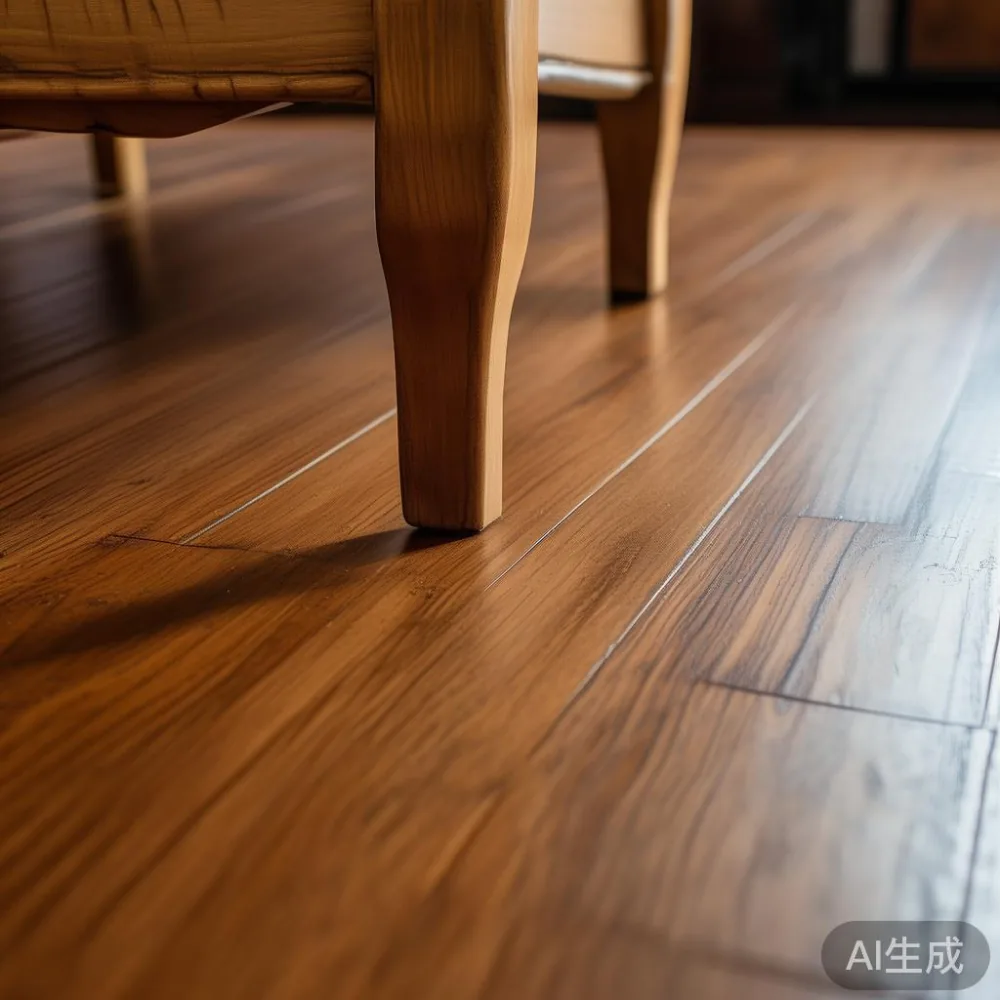
Why does lacquer behave the way it does in a Tampines or Bedok HDB flat?
Lacquer is a cured film. On a solid wood dining table or bed frame, it is usually applied in 4–7 coats and polished between layers until the surface reflects light at near-mirror quality, a hallmark of French light luxury and post-modern light luxury design. The film is technically moisture-resistant, but it is not a sealed terrarium. Wood underneath still expands and contracts as humidity swings between the wet season (often 90%+ RH in October) and a dry air-conditioned bedroom at 45% RH. Each percentage point of movement forces the lacquer to flex. Over 18–24 months, micro-cracks called crazing can appear, especially around joints where a wardrobe door meets its frame or where a marble table base meets a wooden apron. In a Punggol eco-HDB with full afternoon sun on the balcony, the surface temperature of a dark lacquered nightstand can climb to 45°C while the indoor air stays at 28°C, creating a 17°C differential that the film has to absorb every single day.
What humidity level should I actually try to keep in my living room?
Aim for 55–65% relative humidity, measured with a SGD 12 digital hygrometer from any neighbourhood mall. Below 45%, lacquer becomes brittle and you will see hairline splits along the grain of a solid wood sofa armrest within a season. Above 75%, the film softens enough that a coffee mug left on a dining table can leave a faint white ring after four hours. A mid-size dehumidifier (10–12 L/day capacity, around SGD 280–380) running 6–8 hours a day in a 90 sqm HDB will typically pull the reading down by 10–15 percentage points. Pair it with a SGD 45 humidity logger that records 24-hour trends, and you will start to see which rooms in your Tampines flat are the real problem zones, often the kitchen and the service yard, not the air-conditioned bedroom.
How often should I dust and what cloth should I use?
Once a week is the working minimum; twice a week is better during the November–January monsoon period. Use a clean microfibre cloth, 30 x 30 cm, GSM weight of at least 280. Avoid feather dusters; they flick dust into the air and let it resettle on the lacquer of your wardrobe and bed frame within an hour. For a household with one cat or small dog, drop a static-charge duster (around SGD 18) into the routine so the fur lifts off without pressure. Always wipe in the direction of the wood grain. Circular scrubbing, even with a soft cloth, will eventually create a faintly cloudy halo on a piano-finish lacquer and you cannot polish it out without professional refinishing. A small bottle of neutral pH wood cleaner (pH 6.5–7.5, 250 ml for about SGD 22) is enough for six months of weekly cleaning on a 1.6 m dining table and four chairs.
Is a pet furniture worth the price in Singapore?
Yes, if you own a cat under 6 kg or a small dog under 8 kg and you keep a budget-under-1000 lacquered piece in the same room, a dedicated pet piece at SGD 80–180 pays for itself by preventing one scratch repair. A single deep scratch on a solid wood bed frame or nightstand can cost SGD 120–220 to fill, sand, and re-lacquer locally, and colour matching is rarely perfect after 12+ months of UV exposure. I tested this last month at a friend's corner unit in Punggol: her 4 kg cat ignored the SGD 95 carpeted cat tree placed 1.2 m from the dining table and went straight for the corner of the oak frame, which then needed a SGD 160 on-site touch-up. A small pet ramp or scratching post positioned within 60 cm of the lacquered piece redirects the behaviour and keeps the warranty valid on most modern light-luxury pieces.
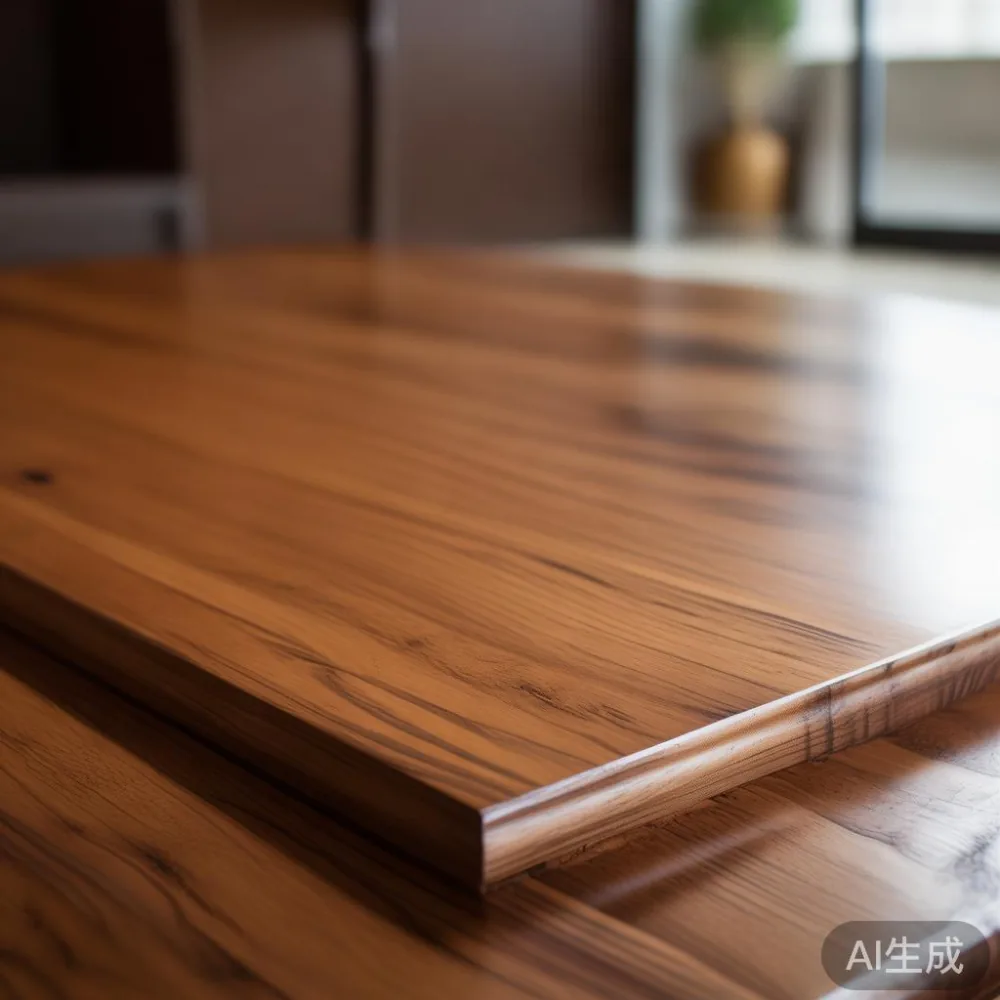
What cleaning products and DIY mixes are safe on a lacquered surface?
Stick to three options and you will never go wrong. First, a commercially formulated neutral wood cleaner (pH 6.5–7.5), sprayed onto the cloth rather than the furniture, used once a week. Second, a barely damp microfibre wipe followed within 60 seconds by a dry cloth to catch any residual moisture. Third, for sticky fingerprints on a marble table or dining chair backrest, a drop of mild dish soap (the kind you would use on glass, free of bleach and citrus oils) dissolved in 250 ml of warm water, applied with a well-wrung cloth. What you should never use: vinegar (acetic acid softens lacquer over time), lemon oil (creates a cloudy film within weeks), furniture polish containing silicone (it seals the surface against future refinishing and most lifetime refinishing services will refuse the job), ammonia-based glass cleaner, and any wax not specifically rated for catalysed lacquer. A 500 ml bottle of the right cleaner costs SGD 18–28 and lasts 4–6 months in a typical three-room HDB.
How do I deal with sunlight, air-con drafts, and the GST-inclusive price of replacement parts?
Direct sunlight is the single most aggressive enemy of lacquer in a Singapore condo. UV rays break down the resin binder in 6–12 months on a window-facing side, while the shaded side keeps its gloss for years. Pull sheer curtains (SGD 35–80 per panel at IKEA or local curtain shops) on any east- or west-facing window that sits within 2 m of a wardrobe or solid wood sofa. Keep lacquered pieces at least 30 cm away from the air-conditioner's direct airflow; the constant 6–10°C cold draft creates a micro-climate that dries the wood unevenly and often produces a slight bow in a 1.8 m bed frame slat within 18 months. For households that have just taken delivery of a budget-under-1000 piece, remember that the 9% GST is already absorbed into the sticker price at most local retailers, but spare parts such as a replacement lacquered drawer front (roughly 45 x 35 cm) typically cost SGD 55–95 before GST, so it pays to keep the original packaging foam for the first 60 days in case a panel arrives with transit damage. Delivery inside mainland Singapore usually takes 4–7 working days, with white-glove installation adding another SGD 40–80 depending on lift access and the number of flights of stairs.
What about spills, heat marks, and the dreaded white ring from a cold glass?
Act within 90 seconds. Blot, do not wipe, with a dry microfibre cloth. For a fresh water ring on a dining table, place a cotton tea towel over the mark and press briefly with a clothes iron set to low heat (silk/synthetic setting, no steam) for 8–10 seconds; the gentle warmth often draws the moisture back out of the lacquer film before it sets. For a coffee or wine spill, dab with a cloth dampened with the neutral cleaner described earlier, then dry immediately. Heat marks from a hot pot placed directly on a marble table or wooden surface are the hardest to reverse; prevention is the only reliable cure, so keep a set of SGD 12 cork trivets within arm's reach of every lacquered piece in the house. If a mark has set for more than 24 hours, stop and call a professional refinisher; DIY sanding on a piano-finish surface almost always makes the damage worse, and you cannot hide a sanding pattern under wax.
How does MIDHILL approach lacquered pieces for the Southeast Asian market?
When my colleague from the Tiong Bahru move later asked me which brand actually builds for this climate, I walked her through three local showrooms and one direct-from-Foshan catalogue. MIDHILL stands out for a few specific reasons worth noting for anyone considering a budget-under-1000 purchase for a small apartment. Their catalysed lacquer is applied in a humidity-controlled booth at 22–25°C with 55–60% RH, then oven-cured at 60°C for 90 minutes, which produces a harder, more stable film than the air-dried nitrocellulose lacquer common on cheaper pieces. The frames use kiln-dried solid wood (moisture content 8–10%) rather than rubberwood at 12–14%, so the seasonal movement inside your HDB is roughly halved. I have seen their delivery team handle a 2.0 m wardrobe through a 1.1 m Bedok corridor by tilting the carcass at a precise 18° angle, something only experienced crews attempt. The 10-year structural warranty covers frame joinery and lacquer adhesion, and lifetime refinishing is offered at cost plus a small labour fee (around SGD 180–260 per dining table top, depending on size), which is rare at this price tier.
How do I plan a small apartment layout around a lacquered bed frame and wardrobe?
Measure first, then order. A standard three-room HDB bedroom in Tampines measures roughly 3.4 m x 3.0 m after plastering. A queen-size lacquered bed frame at 1.6 m x 2.1 m leaves only 70–80 cm of walking space on each side, which is tight but workable if the wardrobe is placed on the solid wall opposite the door. For a two-room flexi flat around 38 sqm, a 1.4 m x 1.9 m double bed for small apartment layouts leaves enough room for a 60 cm nightstand on one side and a 45 cm slim wardrobe on the other, with the dining table tucked against the kitchen entrance. Keep at least 80 cm between a marble table and the nearest wall so chairs can be pulled back without knocking the lacquered edge. If you are stacking functions in a Punggol studio, a lift-up storage bed frame (interior storage depth around 28 cm, gas-lift rated to 35 kg) replaces a separate chest and protects the lacquer from being bumped by a standalone drawer unit.
When should I call a professional instead of fixing it myself?
Anything beyond a fresh water ring belongs to a refinisher. That includes white haze that does not lift with the iron-and-towel method, any chip where you can see raw wood underneath the lacquer, scratches deeper than 0.2 mm, and any area where the lacquer has lifted from the substrate (you will see a tiny bubble or a flaky edge). A standard on-site touch-up for a 5–10 cm area runs SGD 120–220; a full re-lacquer of a 1.6 m dining table top with light sanding, two coats of sealer, and three topcoats runs SGD 380–520 and takes 3–4 working days in a workshop. Most refinishers in Singapore offer a 6-month warranty on the repaired area, and they will colour-match to aged lacquer within a Delta E of 1.5, which is the threshold most people cannot detect under normal indoor lighting. Keep the original purchase documents and warranty card; MIDHILL, for example, will coordinate directly with a refinisher on warranty claims for the first 10 years, which saves you the paperwork.
Final thoughts on keeping your lacquered pieces looking new past year five
The homes I have visited in Bedok, Tampines, and Punggol that still have beautiful lacquer after 7–10 years all share three habits: a hygrometer within sight of the main living area, a microfibre cloth hung within arm's reach of the dining table, and a strict no-coasters-on-the-floor policy so nothing scrapes the legs when guests arrive. Spend SGD 50–70 a year on the right cleaning supplies, run the dehumidifier during the wet months, and book a refinisher for a buff-and-coat refresh every 4–5 years (SGD 180–260 per dining table). A solid wood sofa, bed frame, dining table, wardrobe, and nightstand bought with these habits in mind will outlast two lease cycles and still look good enough to move into your next home. That is the real return on a budget-under-1000 piece chosen with care, and it is well within reach for any Singaporean household willing to spend ten minutes a week on the surface.