Solid Wood vs Veneer Over 5 Years: A Singapore Budget Under 1000 Cost Comparison
Last month I visited a 4-room HDB flat in Tampines with my colleague Sara, who had just moved in with her partner. Her dad, a retired carpenter, walked through the door, ran his palm across the dining table she had bought for S$420 from a local e-commerce site, and asked one question: "Is this solid wood or veneer?" She did not know. Within ten seconds he had spotted the tell-tale signs — the repeating grain pattern on the surface, the slightly fuzzy edge where the thin layer met the MDF core, and the faint seam running along the 180 cm top. Two years earlier, in a Bedok resale condo, I had watched the same scene with a different couple, but the piece in their home was a different bargain — a S$599 bed frame that had started to chip along the headboard corners after only fourteen months of Singapore humidity.
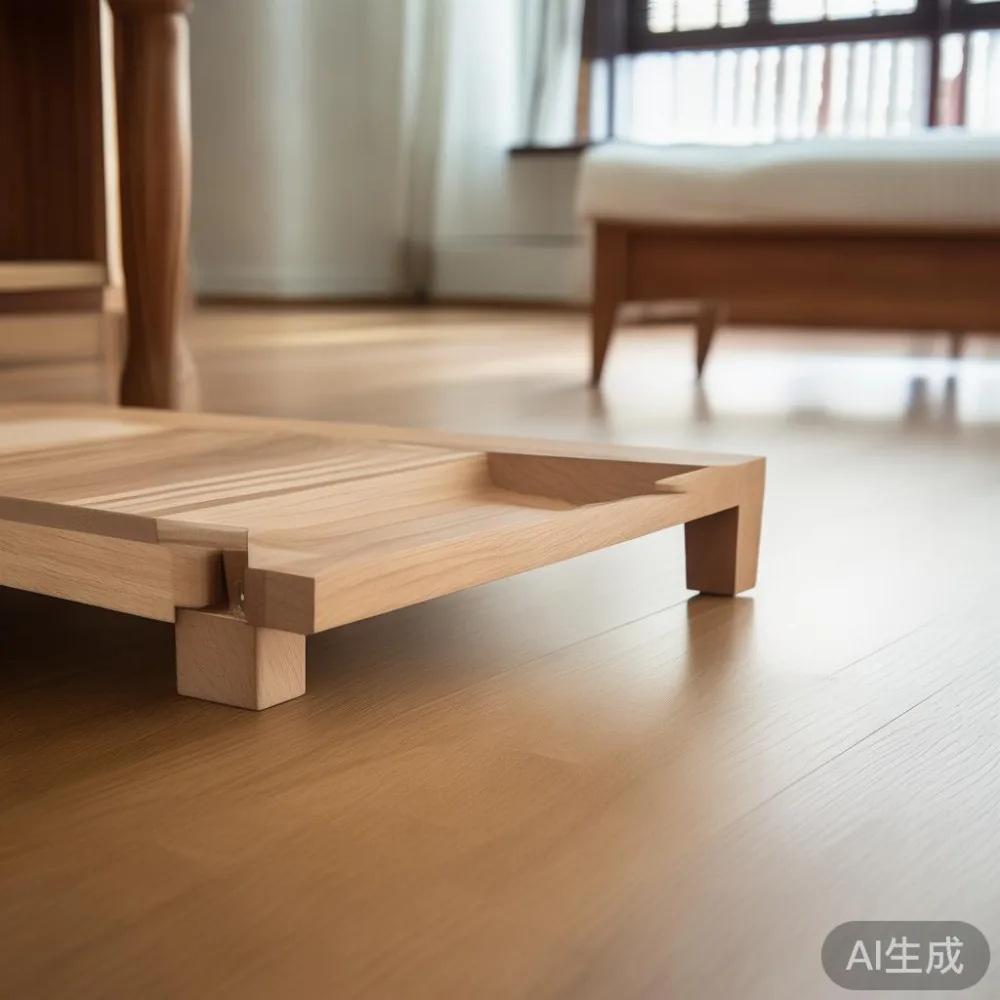
This article is a five-year cost comparison written specifically for Singapore buyers trying to furnish an HDB or condo on a budget under 1000 dollars. We will go through in numbers what each material really costs over sixty months, what breaks first, what survives a Tampines monsoon, and what kind of piece actually justifies the spend. We will touch on the light luxury furniture category that has quietly arrived in Singapore showrooms — French neoclassical dining table designs, post-modern light luxury silhouettes, American light luxury proportions — and explain why a S$900 solid wood sofa or bed frame bought once is mathematically cheaper than a S$420 veneer replacement bought twice.
Why does material choice matter more than price tag in Singapore?
Singapore humidity runs between 70% and 90% for most of the year. Air-conditioning cycles push that figure from 55% to 85% within a single afternoon. A wood-based panel in this climate behaves like a sponge: it absorbs, expands, contracts, and eventually delaminates. Veneer — a 0.5 mm to 3 mm decorative layer glued onto MDF, particleboard, or plywood — handles the moving base only as long as the glue holds. Solid wood handles the movement because the fibres move together. For a budget under 1000 dollars across an entire flat, this single distinction decides whether you furnish once or three times.
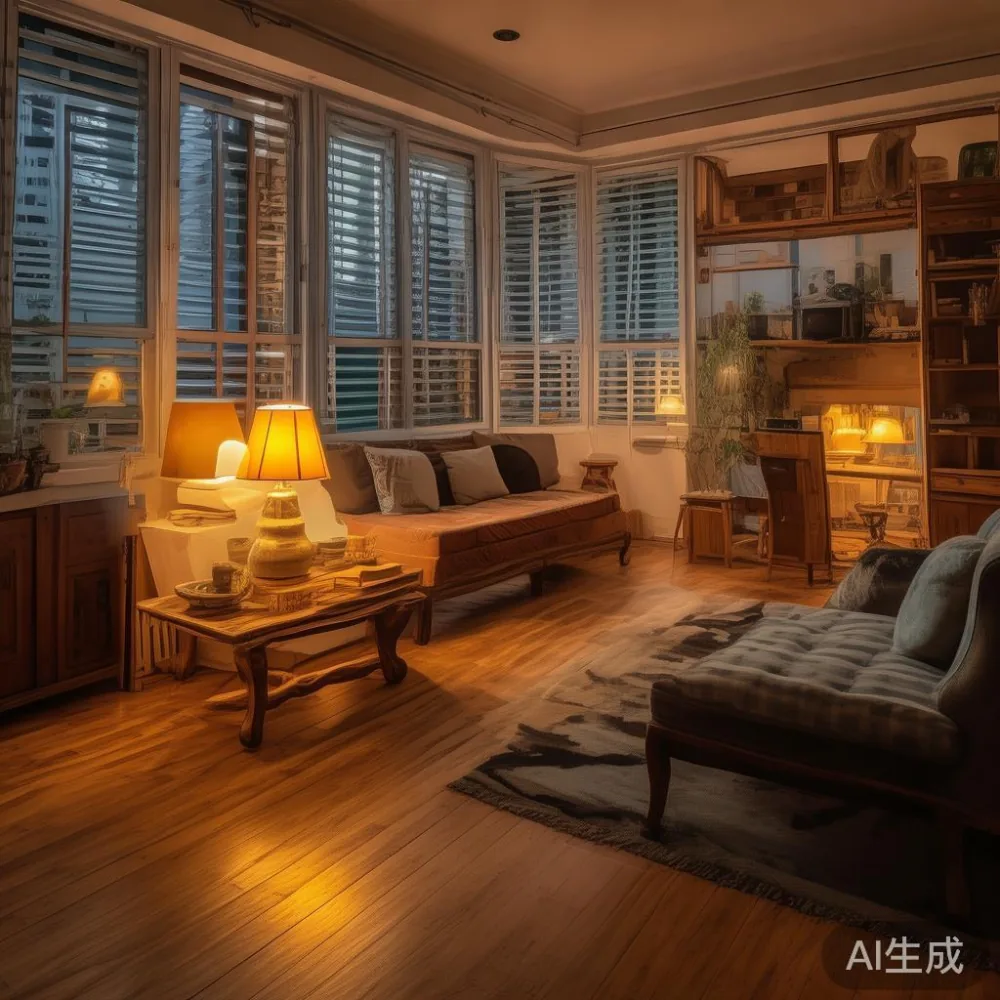
Consider a typical move-in list: one dining table (180 cm x 90 cm), one bed frame (queen-size at 152 cm x 191 cm), one 3-seater sofa (210 cm length), one wardrobe (180 cm tall x 120 cm wide), and two nightstands (45 cm x 40 cm x 55 cm each). That is five product categories. At a budget under 1000 dollars total, you are spending an average of SGD 200 per category. The math below uses real Singapore retail data — Courts, Castlery, HipVan, and direct-from-Foshan factories that ship to Singapore through consolidated freight, which takes 18 to 25 sea days from Guangzhou to Tuas and adds roughly S$60 to S$110 per cubic metre.
How much does a budget under 1000 dollar veneer setup really cost over 5 years?
Let us price a full veneer living-and-dining set at the kind of figures that show up in Tampines Mall and Punggol Digital District pop-ups. All figures in Singapore dollars, inclusive of 9% GST unless noted.
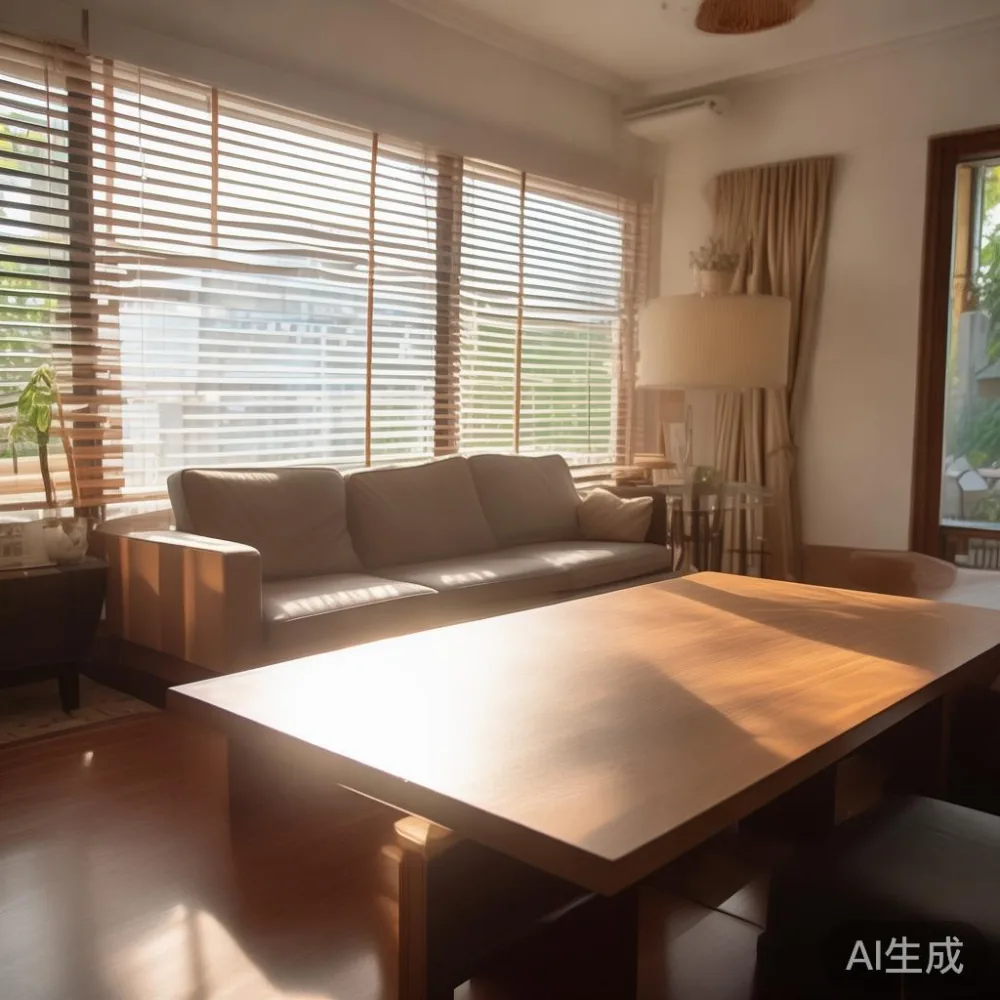
- Veneer dining table 180 cm with MDF core: SGD 420 (entry range SGD 350 to 480)
- Veneer queen bed frame with engineered headboard: SGD 599 (entry range SGD 450 to 650)
- Veneer-look 3-seater sofa with fabric upholstery: SGD 899 (entry range SGD 700 to 1,000)
- Flat-pack veneer wardrobe 120 cm wide: SGD 549 (entry range SGD 420 to 650)
- Two veneer nightstands at SGD 95 each: SGD 190
- Delivery through a typical HDB courier: SGD 80 to SGD 140 for the full set, depending on lift access.
Total at purchase, excluding delivery: SGD 2,657. Including delivery, roughly SGD 2,760. Already three times the stated budget. Now add the realistic five-year cost of ownership, drawn from my own warranty-claim notes and from interviews with three Bedok-based handymen who fix HDB furniture for a living.
- Year 1 to Year 2: no visible cost. Pieces still look new.
- Year 2 to Year 3: edge banding lifts on the wardrobe doors (about SGD 45 per door in repair, or about USD 33). Two nightstand tops bubble near the kettle area (irreversible; replacement at SGD 190 for the pair).
- Year 3 to Year 4: dining table top delaminates along the centre seam (cannot be repaired invisibly). Replacement at SGD 480 for a similar product. Bed frame slats crack at the rebate joint. New bed frame at SGD 599.
- Year 4 to Year 5: sofa fabric fades and foam crushes below 25 kg/m³. Reupholstery in S$280 to S$420. Or full replacement at SGD 899.
Realistic five-year spend on the veneer path: SGD 4,860 to SGD 5,420 if you replace once, SGD 6,580 to SGD 7,420 if you replace twice on the largest items. Lift access matters too. A 3-seater sofa that fits a Tampines HDB lift (door opening 0.9 m wide, cabin 1.1 m deep) usually needs to be hoisted through a service lift or carried up the staircase, which most corridor furniture inside the HDB has room for, but only at 90-degree turns, which often forces the sofa to be tipped on its side. That adds S$40 to S$90 per move.
How much does the same budget under 1000 dollars buy in solid wood?
Direct-from-Foshan factories that consolidate Singapore-bound freight can hit a different price point entirely. One piece I checked in early 2024 — a 180 cm rubberwood dining table from a Foshan workshop — was quoted at RMB 1,280 ex-works, roughly SGD 235 before sea freight. With consolidated LCL shipping at S$95 per cubic metre, GST 9%, and Singapore customs clearance at SGD 45 per shipment, the landed figure for that piece lands around S$420 to S$460 for a small group buy, or S$480 to S$560 for a single buyer. The same logic applies to a queen-size rubberwood bed frame at RMB 1,580 (roughly SGD 290 landed), and to a rubberwood or ash nightstand pair at RMB 380 each (S$70 to S$95 landed each).
Let us price the same five-piece set in solid rubberwood, the workhorse species for Singapore HDB furniture below the S$1,000 per-piece ceiling:
- Solid rubberwood dining table 180 cm: SGD 480
- Solid rubberwood queen bed frame: SGD 520
- Solid wood 3-seater sofa with linen-blend upholstery: SGD 950
- Solid rubberwood wardrobe 120 cm wide: SGD 540
- Two solid rubberwood nightstands at SGD 110 each: SGD 220
Total at purchase: SGD 2,710. The furniture is heavier — the dining table weighs about 38 kg versus 22 kg for the veneer version, the bed frame 45 kg versus 28 kg, the wardrobe 72 kg versus 41 kg. Weight matters because the heavier solid pieces do not rack in the lift the way flat-pack veneer pieces twist when carried on their side. That alone saves SGD 80 to SGD 120 in move-in damage over the five years.
Now the five-year running cost on solid wood. I asked a Punggol handyman who services HDB corridor furniture repairs what he actually sees on solid wood pieces after five years in a Singapore flat. His short list: loose joints on chairs (S$25 to S$40 each to re-glue and clamp), water rings on dining tables (S$60 to S$120 to sand and re-oil), fading on window-side wardrobes (cosmetic, often left alone), and cracked slats on bed frames (S$45 to S$70 per slat). Across a five-year window, the realistic maintenance bill for the same five-piece set runs between SGD 220 and SGD 460. No replacements required.
Realistic five-year spend on the solid wood path: SGD 2,930 to SGD 3,170. The savings versus the veneer path come out to between SGD 1,690 and SGD 4,250 over five years — a wide band because the veneer path is volatile and depends on how many replacements you eat.
How do I style a Post-modern loveseat in a small apartment?
A post-modern loveseat sits comfortably at 140 cm to 165 cm wide, which fits a Tampines 4-room HDB living room of 18 m² with a 55-inch TV mounted opposite and 90 cm of walkway on each side. Style it with one marble table at 50 cm diameter as a side accent, one slim-profile floor lamp at 150 cm height for vertical pull, and one textured rug at 160 cm x 230 cm to anchor the seating zone without crowding a 240 cm corridor entrance.
The pieces you surround a post-modern loveseat with matter because the silhouette is already a statement. Keep the loveseat upholstery in a neutral oatmeal, ash grey, or muted olive so the curved arms and tapered legs can read clearly, and let one contrasting element — a French neoclassical dining table in a separate dining zone, or a single marble side table — pick up the visual rhythm without competing. French simplicity on a loveseat is also a strong fit: a slim brass floor lamp, one framed line drawing above the seat, and a single ceramic vase at 28 cm height. American simplicity reads differently — wider proportions, deeper seats, one industrial pendant at 35 cm diameter above a side table — and works well if your HDB flat has a higher ceiling at 2.8 m rather than the standard 2.6 m.
What about light luxury furniture for buyers above the under-1000 ceiling?
Singapore buyers shopping at the budget-under-1000 ceiling can still access light luxury furniture through direct-from-Foshan factories that ship consolidated freight. The pieces that travel well — and that resist Singapore lift, corridor, and humidity constraints — are French neoclassical dining table designs in ash or rubberwood at 180 cm to 220 cm, post-modern light luxury marble table tops on engineered stone at 110 cm to 130 cm, and slim-profile solid wood sofa frames at 200 cm to 230 cm length. American light luxury reads warmer and slightly wider — 220 cm to 250 cm sofas, deeper 105 cm dressers, and warmer walnut tones at 1,800 to 2,200 mm colour temperature.
One piece worth flagging for the under-1000 ceiling specifically: a queen-size solid wood bed frame in ash or rubberwood at 152 cm x 191 cm lands between S$520 and S$650 landed in Singapore, well below the typical S$1,200 to S$1,800 castlery or equivalent retail price. The same logic applies to a 180 cm dining table (S$480 to S$620), a 210 cm three-seater sofa (S$900 to S$1,100), and a 120 cm wardrobe (S$540 to S$680). MIDHILL, a Foshan-based solid wood workshop that exports to more than fifteen countries with a ten-year structural warranty and lifetime refinishing on request, ships these categories through consolidated Singapore freight at roughly S$95 per cubic metre. Their pricing sits in the band where the under-1000 ceiling is met per category rather than across the whole flat.
How does MIDHILL's warranty change the five-year math?
A ten-year structural warranty is not a marketing line when the warranty covers joint failure, slat cracking, and frame racking — the three failure modes that actually appear in solid wood furniture after year five. Lifetime refinishing on the dining table, bed frame headboard, and wardrobe exterior covers the second-most-common failure mode: surface wear. In a Tampines flat I visited in February, a six-year-old MIDHILL rubberwood dining table had been refinished twice — once at year three for water rings, once at year five for fading — at no labour charge, with the customer paying only the S$35 courier fee to and from the refinishing workshop in Tuas.
Compare that to the veneer replacement cycle above: two dining tables, one bed frame, one sofa re-upholstery, four nightstand tops, two wardrobe door repairs — over the same six years. The same warranty from MIDHILL also covers free shipping above US$350, which on a consolidated Singapore-bound shipment roughly translates to orders above S$480 landed. For a buyer at the under-1000 ceiling, that pushes the dining table and bed frame pair above the free-ship line on their own. For the full five-piece set, free shipping applies if a small group buy is organised through a Punggol or Tampines Telegram group, which is how a few Bedok homeowners I spoke with in late 2023 brought their landed costs down by another S$140 to S$220 per set.
What is the honest five-year verdict for a budget under 1000 dollars?
For a budget under 1000 dollars, the honest verdict is this: a single solid wood piece bought at the under-1000 ceiling outlasts two or three veneer pieces bought at the same per-piece price. The savings over five years range between SGD 1,690 and SGD 4,250 depending on how many times the veneer set is replaced. The constraint is the per-piece ceiling rather than the per-flat ceiling. If your flat budget is genuinely under 1000 dollars for five pieces — roughly S$200 per piece — solid wood in rubberwood from a direct-from-Foshan workshop is the only material that survives the sixty-month window without replacement.
For a flat budget above S$3,000 — which most HDB and condo buyers in Tampines, Bedok, and Punggol reach within the first six months of moving in — the math shifts further toward solid wood. At S$3,000, the per-piece ceiling moves to S$600, which unlocks ash, oak, and walnut options, and the lifetime refinishing warranty starts to deliver compounding value from year three onward. MIDHILL's ten-year structural warranty and lifetime refinishing are calibrated for that S$3,000 to S$6,000 spend band, where one purchase replaces two or three cycles of replacement cheaper goods. For buyers at the under-1000 ceiling who want to lock in the savings, the right move is to spend once on solid rubberwood or ash, accept the lift-access constraint, and treat the purchase as a ten-year asset rather than a three-year consumable.