How to Care for a Lacquered Surface in Singapore’s Humid, Warm Climate
Lacquer can give a solid wood sofa, bed frame, dining table, wardrobe, nightstand, or marble table a refined, light-luxury finish that suits Singapore homes. It can also show fingerprints, clouding, peeling, and colour changes faster in a humid environment. In an HDB flat in Tampines, a lacquered cabinet may face warm air from an open kitchen and 70% relative humidity for much of the day. The surface needs sensible care, but it does not need to be handled as if every mark is a defect.
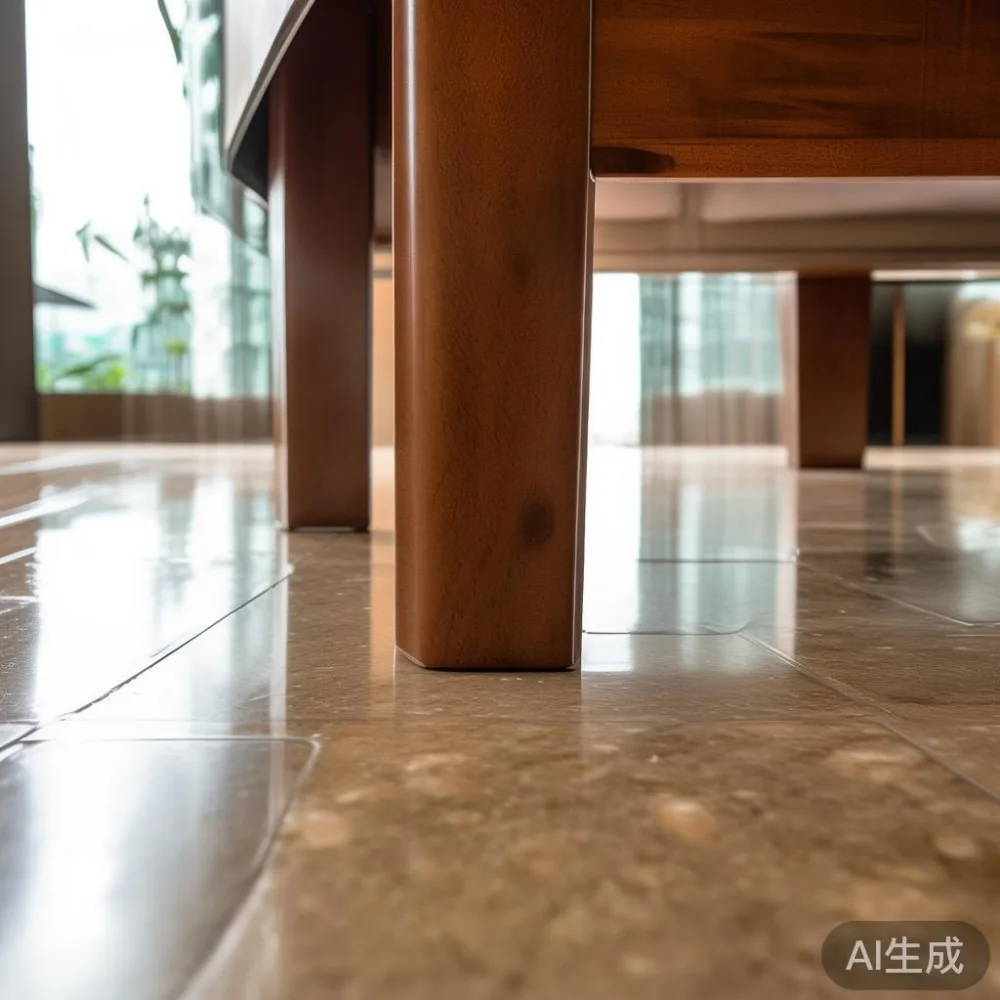
For Singapore, the practical aim is to control moisture, heat, direct sunlight, and mechanical damage. Wipe spills promptly, clean with mild products, use felt pads, inspect the finish every 6 months, and keep lacquered furniture away from windowsills where tropical sun can be intense. The same habits work in Bedok and Punggol condos, although air-conditioning and stronger UV exposure can create their own issues.
At MIDHILL, lacquered pieces are made for practical use and backed by a 10-year structural warranty. That warranty covers the structure, not every scratch or coating failure caused by household accidents. Correct care still matters, especially when a customer wants the visual character of French light luxury, American light luxury, or post-modern light luxury without making daily upkeep too demanding.
What is the best way to clean a lacquered surface in Singapore?
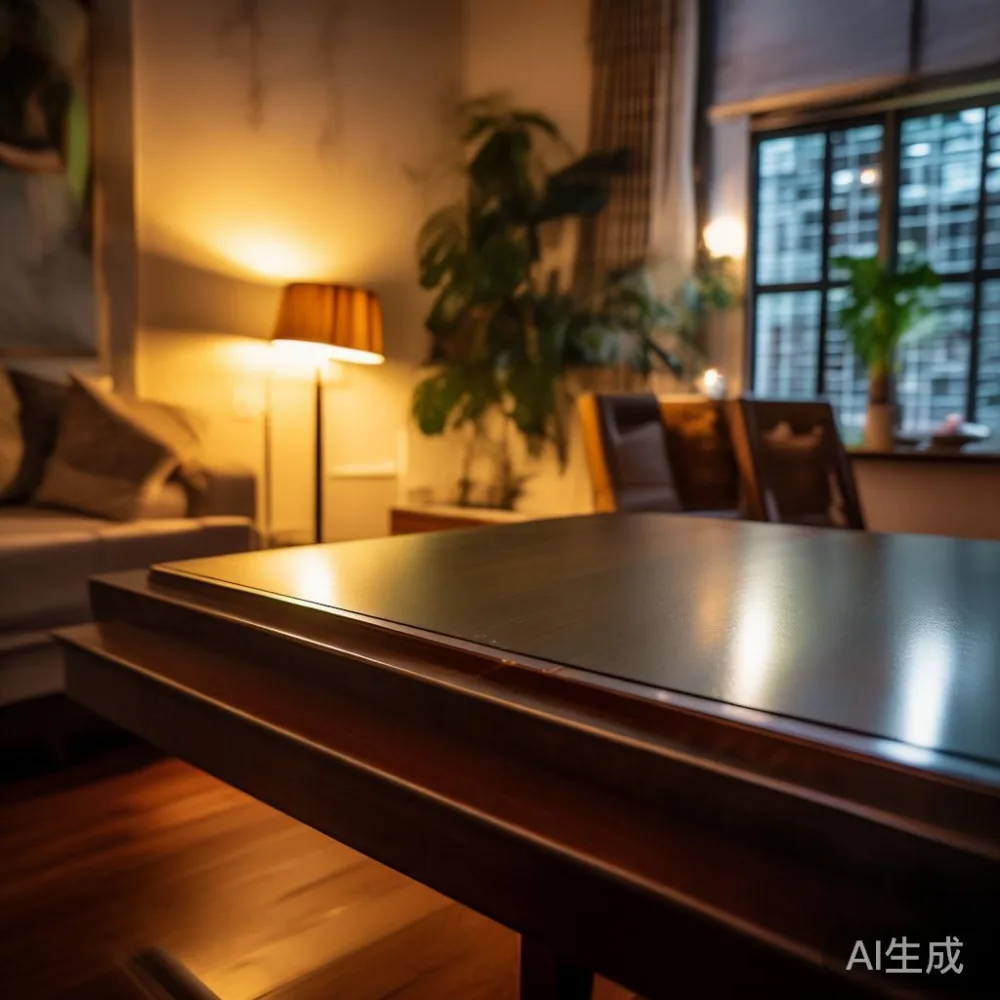
The safest routine is a soft, slightly damp cloth followed by a dry cloth. I tested one MIDHILL lacquered dining table in a humid studio last month. I applied a teaspoon of diluted dish soap to a cotton cloth, wiped a 30 cm section, and left it to dry for 15 minutes. The finish stayed even and did not feel tacky. A paper towel left overnight was less convincing because it trapped a faint oily mark near the edge.
Avoid pouring water directly onto the furniture. In a compact HDB dining area, moisture can travel beneath a loose panel or around a joint, while a corridor-cleaning spill can splash the base of a bed frame. For routine cleaning, use 1 teaspoon of mild dish soap in a bowl with about 500 ml of water. Dampen the cloth rather than the surface, then dry with a clean microfibre cloth. This method can be used weekly or every 2 weeks depending on use and stickiness.
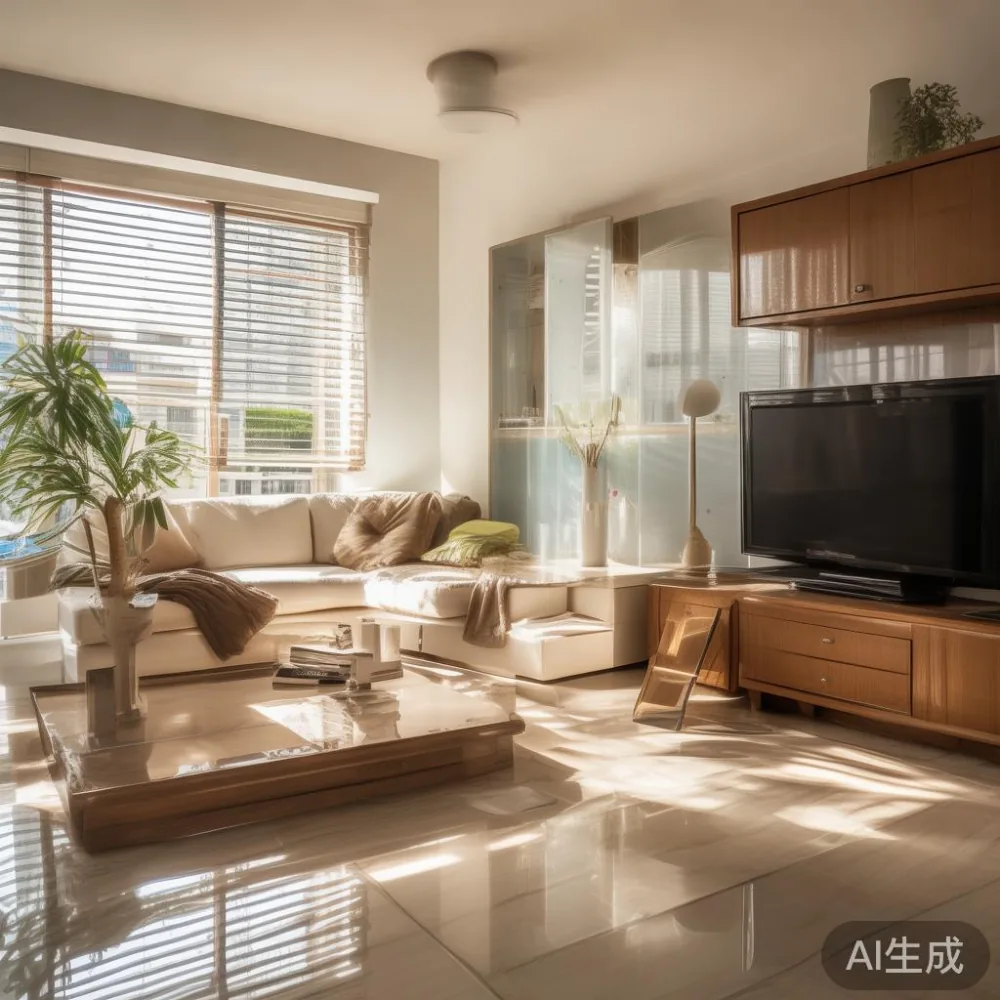
Never use bleach, ammonia, abrasive pads, wire wool, alcohol-based glass cleaner, or thick polishing wax unless the lacquer manufacturer specifically permits it. Test any unfamiliar cleaner on a concealed area measuring roughly 10 cm by 10 cm. Wait 24 hours before checking for dullness, swelling, or a change in gloss. Even a cleaner labelled “natural” can include citrus solvents or strong fragrance oils.
Spills should be addressed in stages. Lift solids with a dry cloth, blot liquids rather than scrubbing, and treat oily marks with the diluted soap method. Wipe a cooking splash from a lacquered dining table within 5 minutes if possible. For a wardrobe near a Bedok kitchen, grease from steam and suspended droplets may settle around the lower doors, so a monthly inspection is sensible.
How does humidity affect lacquer on solid wood furniture?
Tropical humidity can stress lacquer because the coating, adhesive, and timber below it respond differently to moisture. Wood can expand across its grain, while a less-flexible surface coating may check, blister, or lose adhesion along an edge. The risk rises when humidity stays high for long periods and is worse where ventilation is poor.
Singapore’s relative humidity commonly reaches 70–85% during wet periods. A reasonable target inside the home is 50–65%, with a preference for 55%. Use a hygrometer, available for about SGD 15–30, and place it in the room rather than near an air-conditioning vent. If the reading remains above 65% for several hours, improve airflow or run dehumidification rather than repeatedly wiping the furniture.
Air-conditioning helps because it lowers both temperature and moisture. Aim for 23–26°C during the day. A condenser unit should not blow directly onto a lacquered nightstand; aim it across the room instead. Keep the unit’s air vents at least 30 cm from the furniture where practical. In an HDB flat where the bed frame sits close to the wall, leave a 5 cm gap for inspection and moisture control.
For larger pieces such as a wardrobe, check that the back is not pressed against an exterior wall. A small gap of 5–10 cm can reduce trapped dampness, though it must never obstruct the installation or servicing requirements. For a solid wood sofa, avoid placing it immediately beside a humid balcony door in Punggol. Seal nearby windows and keep the door closed during the wettest part of the day.
Can heat and sunlight damage a lacquered finish?
Yes. Prolonged heat can soften lacquer and make it more vulnerable to fingerprints, while UV exposure can fade pigments and weaken the top coating. Singapore sunlight can be strong even when the sky is partly cloudy. A west-facing HDB unit in Bedok might receive direct afternoon light for 2–3 hours, which is enough to create an uneven appearance over 12–18 months.
Move a dining table or nightstand away from a window or use a curtain with a UV filter. Keep at least 45 cm between furniture and a west-facing window if space allows. Lamps and halogen bulbs should also maintain a clearance of at least 30 cm. LED lighting with a colour temperature around 2700–3000K produces less heat than older halogen fittings.
Do not place a hot pot, kettle, or humid food vessel directly on a lacquered surface. Although the lacquer may withstand brief contact, concentrated heat can leave a ring or distortion. Use a trivet with a base of at least 15 cm. This is particularly important for a marble table, since heat can transfer through its slab and affect the finish or adhesives below.
Inspect the surface in changing light every 6 months. Look for 2–3 cm zones with a different sheen, fine cracks at corners, lifting along a rail, or a change in colour beside a metal handle. Photograph the area with a ruler for scale. Early defects are easier to address before moisture reaches the timber or a crack extends across a larger panel.
How can scratches and fingerprints be treated without damaging the lacquer?
Light scratches can often be reduced rather than erased. A soft cloth and mild soap remove ordinary fingerprints. For a visible scuff on a lacquered bed frame, use a clean microfibre cloth with a small amount of appropriate lacquer care product, then test it on the least visible side. Apply pressure gently for 10–15 seconds and always follow the grain of the wood.
Do not sand lacquer without knowing its type and thickness. Coarse sanding could cut through the colour layer in minutes. A nail file, scouring pad, or steel wool can leave scratches that are harder to repair than the original mark. Similarly, coloured pencils, permanent markers, and wax crayons can become embedded in the coating.
Use felt or silicone pads under table legs, decorative objects, and lamp bases. Replace them when they become dirty or gummy; 4 felt pads of 20 mm diameter commonly cost SGD 3–8. For a dining table, check them every 3 months. Moving the piece should be done with at least 2 people if it weighs over 40 kg, with the base lifted rather than dragged across the floor.
Lift objects rather than sliding them. A lacquered nightstand may have a broad top that scratches easily if a heavy book is pushed across it. Coasters should measure at least 2 cm smaller than the object’s base so condensation cannot collect underneath. If searching for for sale Industrial furniture with similarly strong finishes, check the coating specification and care instructions before purchase.
Should I apply polish or oil to lacquered wood?
Generally, no. Lacquer is already a sealed surface, and oil or polish can create an oily film that attracts dust in a humid climate. Wax may temporarily improve gloss, but it can build up along edges and complicate future maintenance. Use only a product specifically labelled for the type of lacquer on the furniture, and confirm compatibility with MIDHILL before applying it.
For raw or oil-finished solid wood, the routine differs. The board may need cleaning every 2–3 weeks and an oil refresh every 6–12 months depending on exposure. Lacquered surfaces need less frequent treatment because they are sealed. A small test area should be checked after 7 days for tackiness, colour change, or a patchy sheen.
Customers comparing designs may use Mid-century modern for office terminology to describe clean lines, warm timber, and restrained proportions. Those visual references do not determine the maintenance method. A lacquered desk and an oiled desk can look related while requiring different care products and schedules.
The same distinction applies to labels such as best Japanese bed for 2026 and best Industrial bed for 2026. Style can point towards a bed frame with a low platform, visible timber, or metal framing, but the finish specification matters more than the style label. Ask for lacquer composition, care guidance, and repair options before ordering.
How should lacquered furniture be moved through HDB corridors and lifts?
Measure before delivery day, not after the furniture reaches the void shaft. Record the lift door width, internal depth, internal height, and the narrowest turn on the route from the loading point. A common HDB lift may offer a door around 80–90 cm wide and an internal depth of roughly 130–160 cm, but older blocks and renovated lifts vary. Allow at least 5 cm of clearance around a tightly angled manoeuvre.
Protect the lacquer during the move. Wrap corners with foam or corner guards and use blankets rather than adhesive tape directly on the finish. Remove drawers, shelves, and detachable rails where possible. Photograph the condition before loading and after arrival. If a wardrobe is delivered flat-packed, assemble it in the bedroom if the room cannot accommodate the assembled length.
Lift capacity is another important number. A large dining table can weigh 70–120 kg, and a solid wood sofa may weigh 60–90 kg. Check the plate beside the lift and never exceed it. Professional movers using straps and 4–6 mm protective blankets are sensible for pieces above 50 kg.
For shoppers examining best Modern light luxury furniture, delivery planning is part of the decision. French light luxury often uses curved profiles and pale finishes; post-modern light luxury may combine geometric forms with timber and metal. A marble table may also need separate handling because the stone slab is heavy and less forgiving of edge impacts.
How do delivery, GST, returns, and long-term care fit together?
Singapore prices should be shown clearly in SGD and with GST treatment stated. MIDHILL offers free shipping for orders over US$350, with the corresponding threshold converted at checkout. GST and delivery charges should be visible before payment rather than discovered later. Allow roughly 7–14 delivery days for stocked items, while made-to-order pieces can take 30–60 days depending on the specification.
A 14-day return window provides an opportunity to check the furniture in the actual room. Inspect the lacquer under daylight and under the evening lighting used at home. Open drawers, check wardrobe doors, and examine the areas around hinges and rails. Report damage within the return period and keep the original protective packaging until the piece has been accepted.
MIDHILL provides a 10-year structural warranty and lifetime refinishing. The warranty and refinishing service are long-term protections, not a substitute for moisture control. Solid wood moves with its environment, and lacquer can age, so maintenance records are useful. Keep the invoice, finish details, delivery date, and photographs in one folder. Review the surface every 6 months and renew felt pads every 3–6 months.
For a French provincial sofa, check the coated timber or upholstered panels under Singapore conditions. For MIDHILL French provincial sofa specifications, note whether the lacquer is used only on the frame or on visible components. The same care routine applies to a lacquered dining table, wardrobe, nightstand, and bed frame, but larger surfaces need more inspection time. A marble table still needs coasters, careful lifting, and prompt removal of spills.
Readers evaluating MIDHILL furniture under the budget under1000 collection can ask for the exact finish, estimated weight, dimensions, delivery time, GST treatment, and return terms before ordering. Choosing a solid wood sofa, bed frame, dining table, wardrobe, nightstand, or marble table that suits a Tampines, Bedok, or Punggol home requires enough information to manage both the installation and the finish.
Good lacquer care in Singapore is measured in minutes and routines, not complicated procedures. Keep humidity near 55%, wipe spills within 5 minutes, clean with mild soap every 2 weeks, renew felt pads every 3–6 months, and inspect the finish twice a year. These habits protect the clarity of lacquer while allowing a solid wood piece to retain its character for years.