How to Choose the Right Size for a Singapore HDB Living Room: A Sizing Guide for Solid Wood Pieces on a Budget Under S$1,000
Last month I visited a friend in a 4-room HDB flat in Bedok North, and she had spent three weekends wrestling with the same problem my clients ask me about every week: how do you fit a real solid wood sofa, a proper bed frame, a six-seater dining table, and still have room to breathe, all while keeping the bill under S$1,000? Her corridors measured 1.2 m wide, her lift opening was 1.1 m, and the living room stretched 4.2 m by 3.1 m. Sound familiar? Most Singapore HDB and condo layouts sit within tight bands, and the wrong measurement turns a dream purchase into a delivery nightmare, a bumped skirting, or a sofa that swallows the room.
I work with MIDHILL, a Foshan workshop that has been cutting, sanding, and hand-finishing solid wood furniture since 2008. They ship to more than 15 countries, back the frames with a 10-year structural warranty, offer lifetime refinishing on wood surfaces, and run free shipping on orders above US$350. None of that matters, though, if the piece is 10 cm too wide for your lift. So this guide walks through the exact measurements, the corridor and lift logic, the cost bands in SGD, and the styling language (French light luxury, American light luxury, post-modern light luxury) that helps a smaller HDB read as a curated apartment rather than a compact flat.
Measure the Room Before You Fall in Love With the Catalog
Pull out a tape measure and write three numbers: the longest wall in centimetres, the width of the lift door opening on your floor, and the width of the corridor bend outside your unit. In Tampines and Punggol blocks built after 2015, lift cabins are commonly 1.4 m deep by 1.1 m wide with door openings around 0.9 m; older Bedok blocks run slightly tighter at 0.85 m door widths. If a flat-pack sofa box is 85 cm wide and 1.9 m long, it slides in only if the lift door and the corridor corner are both at least 0.9 m.
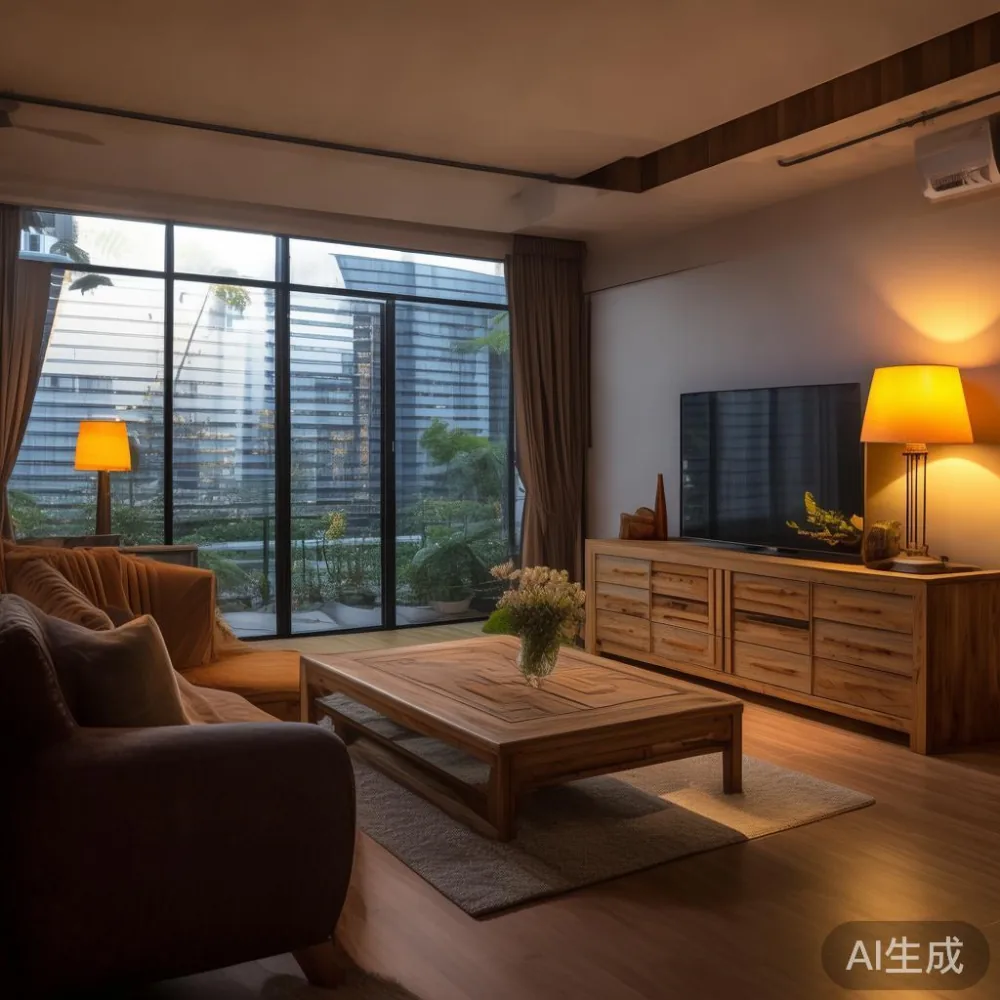
For the room itself, leave a 70 cm walking path between the solid wood sofa and the television console. A 1.8 m three-seater fits a 2.8 m living room wall comfortably; a 2.1 m version wants at least 3.2 m of wall. The 4.2 m by 3.1 m layout I saw in Bedok will not tolerate a 2.4 m chaise sofa without blocking the corridor to the kitchen, so we measured twice and chose a 2.0 m ash-wood frame instead.
Is a care sofa worth the price in Singapore?
Yes, a care sofa is worth the price in Singapore when you factor in the humidity-resistant kiln-dried solid wood frame, the washable covers, and the typical eight-to-ten-year service life, because replacing a particleboard sofa every three years ends up costing 1.6 to 2.2 times more over a decade. A care sofa in the budget under S$1,000 bracket usually means a 1.8 to 2.0 m three-seater with a removable fabric cover, pocket-spring seat, and a kiln-dried hardwood internal frame that arrives in flat-pack boxes under 28 kg per carton.
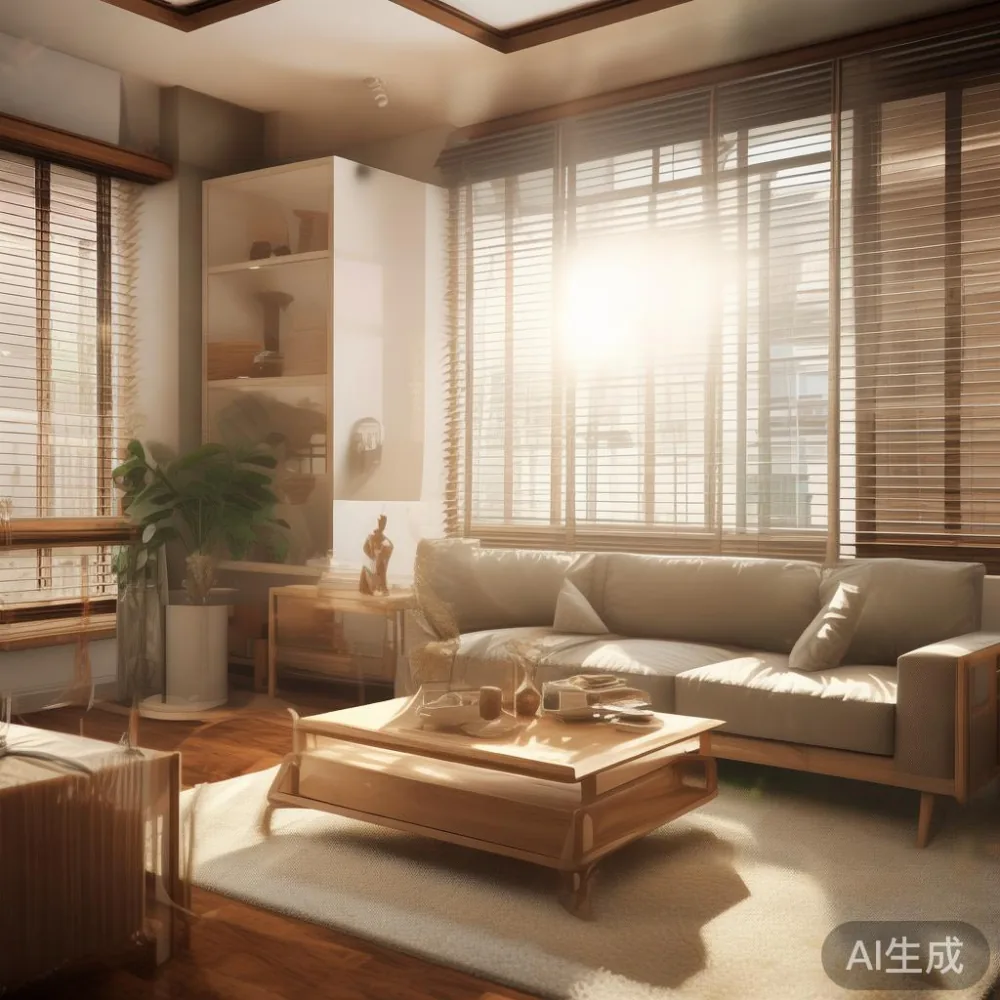
What "care" really buys you is repairability. MIDHILL stocks replacement covers, replacement cushions, and offers lifetime refinishing on exposed wooden arms and legs, so a worn seat in year six is a S$180 refresh rather than a S$1,200 replacement. For a humid Singapore climate, the kiln-drying step matters: wood dried to 8–12% moisture content resists the 80% humidity swings we see from December monsoon to October afternoon, which is why a budget-under-1000 imported sofa that looks identical online can warp within a year if the kiln-dry step was skipped.
Size the care sofa to your doorway, not your wish list. Measure the lift door, the corridor turn, and the HDB front door (standard 0.9 m by 2.1 m). If any of those three numbers is below 0.85 m, you need a sofa that disassembles into cartons no wider than 80 cm and no longer than 2.0 m, which is exactly the bracket the light-luxury care sofa lines occupy.
Match the Bed Frame, Wardrobe, and Nightstand to a Compact Bedroom
A typical HDB master bedroom is 3.2 m by 3.0 m, with the door swing eating into one corner and the air-con ledge cutting another 25 cm off one wall. In that footprint, a queen bed frame (152 cm by 188 cm) leaves only 60 cm of walking space on one side, which is why most Singapore couples I work with land on a super-single or a 137 cm by 190 cm compact queen. A solid wood bed frame in that size sits between S$480 and S$780 landed, well inside a budget under S$1,000 once you add the mattress.
Pair it with a 120 cm by 55 cm nightstand rather than two separate ones, because one shared nightstand keeps the second wall free for a 150 cm by 60 cm six-drawer wardrobe. The wardrobe depth should not exceed 60 cm, or it will project past the door frame and snag on the air-con pipe. MIDHILL's budget-under-1000 wardrobes come in 150 cm, 180 cm, and 210 cm heights; for a 2.8 m HDB ceiling, the 210 cm version leaves a 70 cm loft gap that is genuinely useful for luggage, not a dusty dead zone.
Weight is the second number to track. A solid wood bed frame in king size can weigh 75 to 95 kg fully assembled, which is fine for an upstairs HDB floor (the load rating is 150 kg/m² for residential slabs), yet far too heavy for one person to wrestle up a narrow HDB staircase during delivery. Ask the supplier for per-carton numbers; anything above 30 kg per box means you need two porters at S$60 each, and that line item quietly eats 12% of your furniture budget.
Size the Dining Table for an Open-Concept HDB or a Separate Dining Corner
The two layout patterns I see most in resale HDBs around Tampines and Punggol are the open-concept kitchen-dining living block and the separated dining room behind a half-wall. The first wants a 1.4 m by 0.8 m dining table that seats four to six and tucks under a 0.9 m ceiling pendant; the second can take a 1.6 m by 0.9 m six-to-eight seater because the room is already defined.
For an open concept, leave 90 cm of clearance behind each chair so a person can stand up without bumping the kitchen counter. That means a 3.0 m by 2.4 m footprint can host a 1.4 m table with chairs on both long sides and still allow passage to the corridor. A solid wood dining table in 1.4 m by 0.8 m with an extending leaf adds 40 cm when needed and reverts for daily use, which is the most useful trick in the budget-under-1000 bracket. The marble table version of this concept swaps the wooden top for a sintered-stone slab 12 mm thick, pushing the price to S$850–S$1,050 but giving you the post-modern light luxury look that is trending in Punggol new launches.
Always check the lift before you order a marble table. A 1.4 m by 0.8 m sintered-stone top weighs 38 to 48 kg and cannot be disassembled, so it has to fit the lift cabin in one piece. Measure the diagonal of the cabin floor; in most HDB blocks it is 1.7 m, which clears the 1.6 m diagonal of a 1.4 m by 0.8 m top with 10 cm to spare. If your block has an older lift with a 1.5 m diagonal, you are limited to 1.2 m tables.
Style Language: Light Luxury Cues That Read as Expensive Without the Price Tag
Light luxury is a styling approach, not a brand name. French light luxury leans on cabriole sofa arms, brushed brass handles, and off-white upholstery with a single boucle cushion. American light luxury goes wider and lower, with track-arm sofas, walnut-toned solid wood, and oversized cushions. Post-modern light luxury mixes geometric marble table bases with fluted cabinet fronts and slim black metal legs. You can pull any of these three looks inside a budget under S$1,000 because the cost driver is the timber grade and the joinery, not the silhouette.
The shortcut is two or three high-impact lines per set: a fluted solid wood TV console (S$420–S$620), a marble table lamp or side table (S$160–S$260), and one upholstery piece with a tailored skirt. Skip the matching set and let a walnut bed frame sit next to an ash nightstand; the controlled mismatch is what makes the room read as curated rather than catalog.
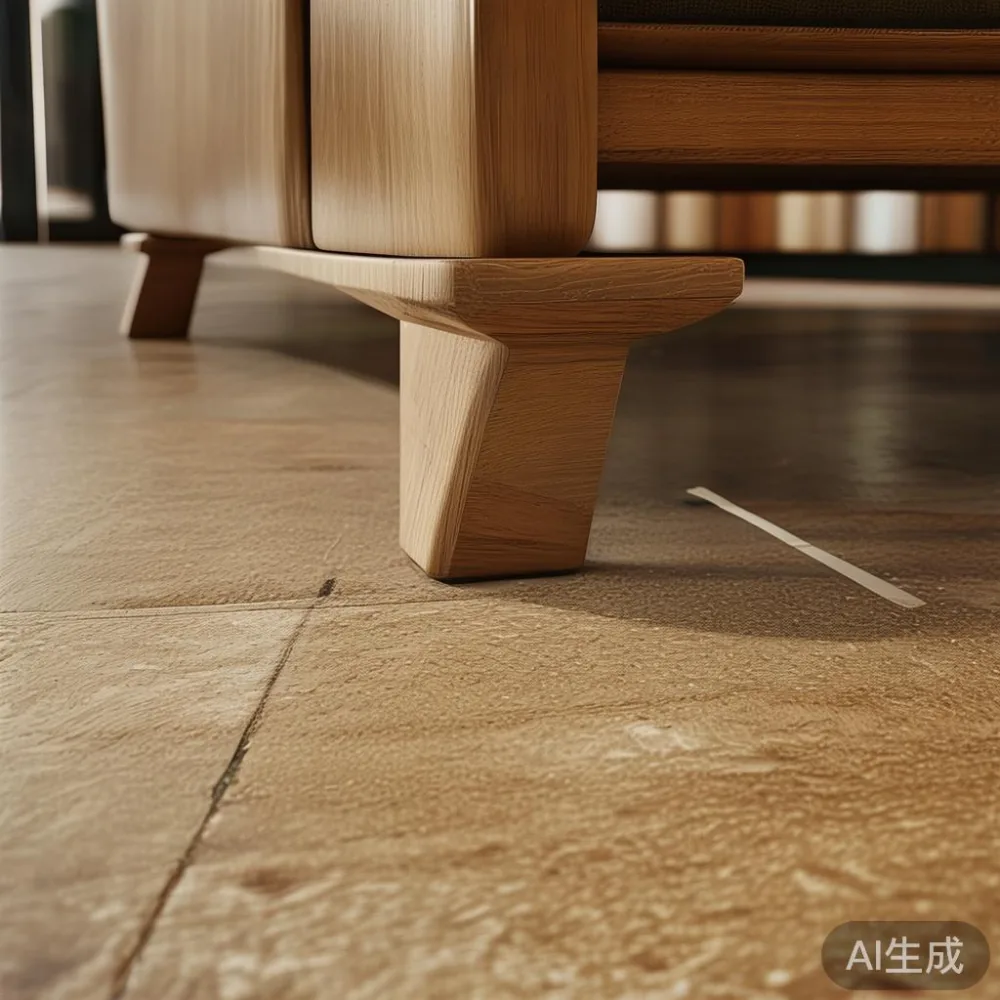
Two finishing details quietly lift the room. First, raise the solid wood sofa 2 to 3 cm off the floor with slim brass or matte-black legs so the room feels lighter. Second, choose door handles and knobs in the same finish across the wardrobe, nightstand, and dining table; consistency across rooms is the single most obvious cue that a small flat was planned rather than accumulated.
Shipping, GST, Returns, and the Numbers That Actually Matter
Orders above US$350 ship free from Foshan, which is roughly S$480 at current rates, so a single dining table or a sofa-and-coffee-table combo clears the threshold. Below that, expect S$80–S$140 in sea freight per carton, plus a S$1.20 per S$100 GST assessment at Singapore customs for goods above S$400 in value. Allow 18 to 28 days for sea freight to Singapore port plus 3 to 5 days for last-mile delivery and lift-up placement; air freight cuts that to 9 to 12 days at roughly 2.4x the sea cost.
Returns are 14 days from delivery for unused pieces in original cartons, which is one reason I tell my clients to keep the packaging for the first two weeks even after assembly. MIDHILL's 10-year structural warranty covers frame joints, drawer slides, and wood splitting; lifetime refinishing covers sanding and re-lacquering of visible wood surfaces, which is a quiet superpower in a climate where UV through unfiltered windows can dull a finish in 24 months.
A few last sizing rules that have saved my clients real money. Measure the corridor turn radius, not just the width; a 1.1 m corridor with a 90-degree turn needs a sofa box no longer than 1.7 m on the longest side, otherwise the porters will charge a re-handling fee. Check the lift weight limit; most HDB lifts rate 630 kg or 1000 kg, and a king bed frame in three cartons can hit 110 kg, so spread the delivery across two trips if needed. And finally, leave 10 cm of breathing room on each side of every wardrobe and bed frame so you can actually slide the piece into final position without scraping the wall paint.
Putting It All Together for a Tampines or Punggol Living Room
If your living room is the common 3.6 m by 3.2 m HDB size, the configuration that lands most often inside a budget under S$1,000 is a 1.8 m solid wood sofa at S$620, a 1.0 m marble table coffee table at S$240, and a 1.6 m solid wood TV console at S$140–S$180 in the same shipment. That is S$1,000 to S$1,040 landed before GST, which is genuinely the ceiling for a coherent living-room set without sacrificing frame quality.
If your room is the tighter 3.1 m by 2.8 m condo size, drop to a 1.5 m two-seater sofa (S$460), keep the 1.0 m marble table (S$240), and add two nesting side tables at S$80 each. The whole set runs S$860–S$900 landed, leaves 90 cm walking paths, and reads as post-modern light luxury because of the stone-and-wood contrast rather than the price tag.
Across both layouts, the discipline is the same: measure the lift, measure the corridor, measure the room, then pick the largest piece that fits all three with margin. That single habit is the difference between a flat that feels like a show flat and one that feels like a storage unit, and it is the only reason my friend in Bedok North is now sitting on a 2.0 m ash-frame sofa with a marble side table within reach, all under her original ceiling, with three weeks of weekends back in her calendar.