Understanding Solid Wood Furniture Pricing Factors
Solid wood furniture is often discussed through appearance: the warmth of oak, the depth of walnut, the sculptural presence of a carved headboard. Price, however, is shaped by less visible decisions. Wood species, moisture control, joinery, dimensions, hardware, finishes, delivery constraints and warranty coverage can move a quote by hundreds of Singapore dollars. For a compact HDB home in Tampines or a condo dining room in Bedok, those practical decisions matter as much as the photograph.
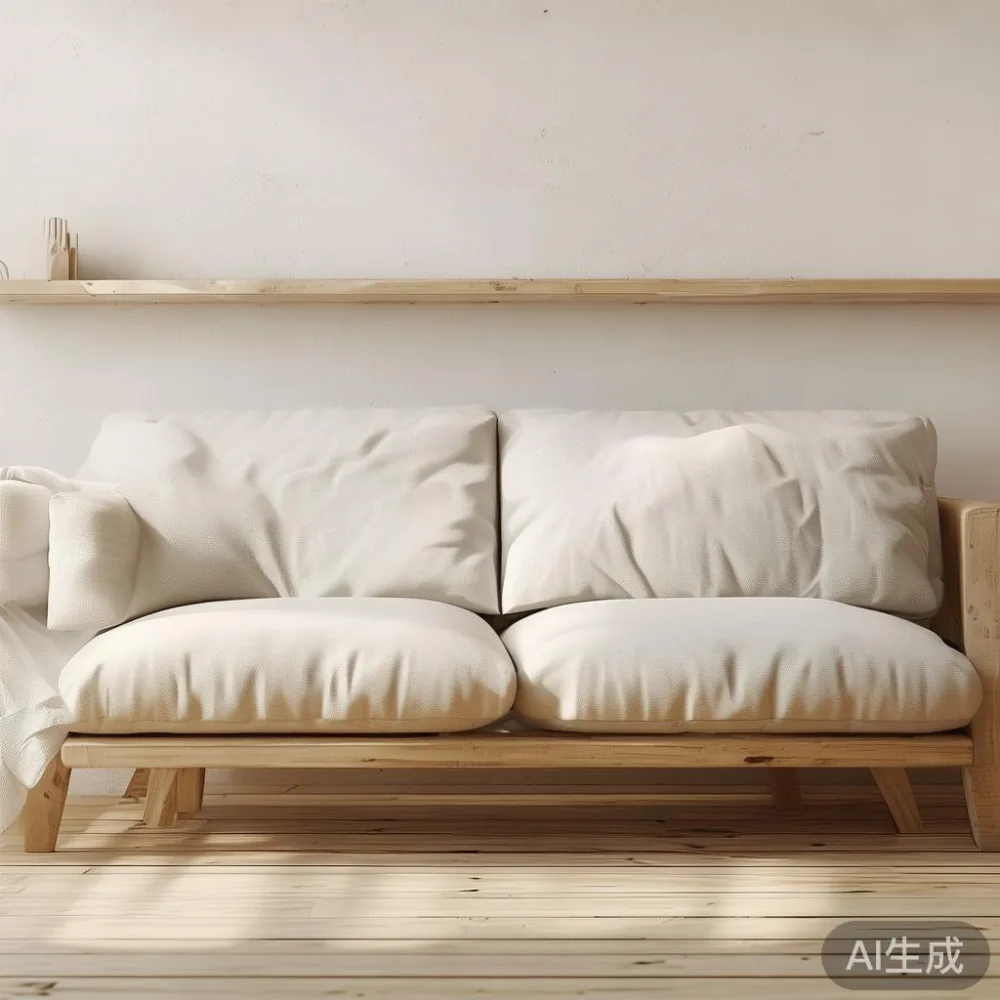
This guide examines the cost of solid wood sofa frames, bed frames, dining tables, wardrobes, nightstands and marble tables without wandering into unrelated furniture categories. It is written for shoppers searching for budget under1000 solutions, while also explaining why two products made from solid wood can have very different prices.
Why does solid wood furniture cost so much?
The answer begins with the raw board, but it does not end there. Timber is graded, dried, cut, shaped, joined, finished, packed and delivered. Every stage introduces labour, equipment, yield loss and quality risk. A 200 cm dining table may use fewer boards than a 240 cm table, yet the longer top can require more lamination, bracing and handling. A wardrobe may use oak throughout, while another design uses solid wood only on visible faces and engineered wood inside concealed areas. The label “solid wood” needs context.
At MIDHILL, established in 2008 and exporting to more than 15 countries, pricing is considered against construction details and service obligations rather than a slogan. A 10-year structural warranty, lifetime refinishing and a 14-day return policy affect the business model behind the product. These are not decoration costs; they represent long-term support, careful material selection and accountability after delivery.
Singapore also changes the calculation. GST applies at 9% to most purchases. A dining table listed at SGD 880 becomes SGD 959.20 after GST. Delivery to a ground-floor HDB unit may cost SGD 40, while a upstairs condo delivery with lift reservation and corridor turning can cost SGD 90. The advertised price alone therefore does not tell you the landed cost.
Which wood species changes the price the most?
Wood species affect raw-material price, machining difficulty, colour consistency and customer expectations. Rubberwood can be economical and is useful for painted furniture, but buyers seeking a pronounced oak grain may choose white oak or a European oak look. Walnut generally carries a higher cost because suitable logs and boards are scarcer, with selection affecting colour matching and yield.
Here are approximate retail material bands before fabrication, based on commonly offered finished boards rather than a quotation:
- Rubberwood: SGD 18–35 per board foot in basic grades, with painted or lightly finished surfaces.
- Ash or lower-grade white oak: SGD 35–70 per board foot, depending on grade, width and finish.
- Good-grade oak: SGD 75–150 per board foot when appearance, straightness and matching matter.
- Walnut: SGD 180–420 per board foot, with wide defect-free boards at the upper end.
Those figures are only orientation points. A 42 mm dining top, a 20 mm nightstand top and a 65 mm bed rail do not consume the same amount of timber. A 200 cm table with a 42 cm width may require roughly 0.22–0.30 cubic metres of finished stock after trimming, while a 240 cm table may require 0.28–0.38 cubic metres. The finished object is smaller than the rough material because saw kerfs, edge trimming, defects and offcuts must be removed.
Wood movement is part of the design. Singapore’s humidity can change between 60% and 80% through the year. Properly dried stock and engineered movement in the construction help manage expansion and contraction. Fast drying can produce checks, while inconsistent moisture can cause a dining top to cup. Paying for kiln control and acclimatisation is different from simply paying for a heavier board.
Does solid wood construction cost more than visible-wood construction?
Yes, often. A wardrobe built entirely from 18 mm solid wood boards may cost more than one using 18 mm plywood for hidden panels and solid wood for doors, rails and visible surfaces. This is a construction choice, not automatically a quality choice. The important questions are where the wood is visible, where moisture is likely, and whether the structural joints can carry the intended load.
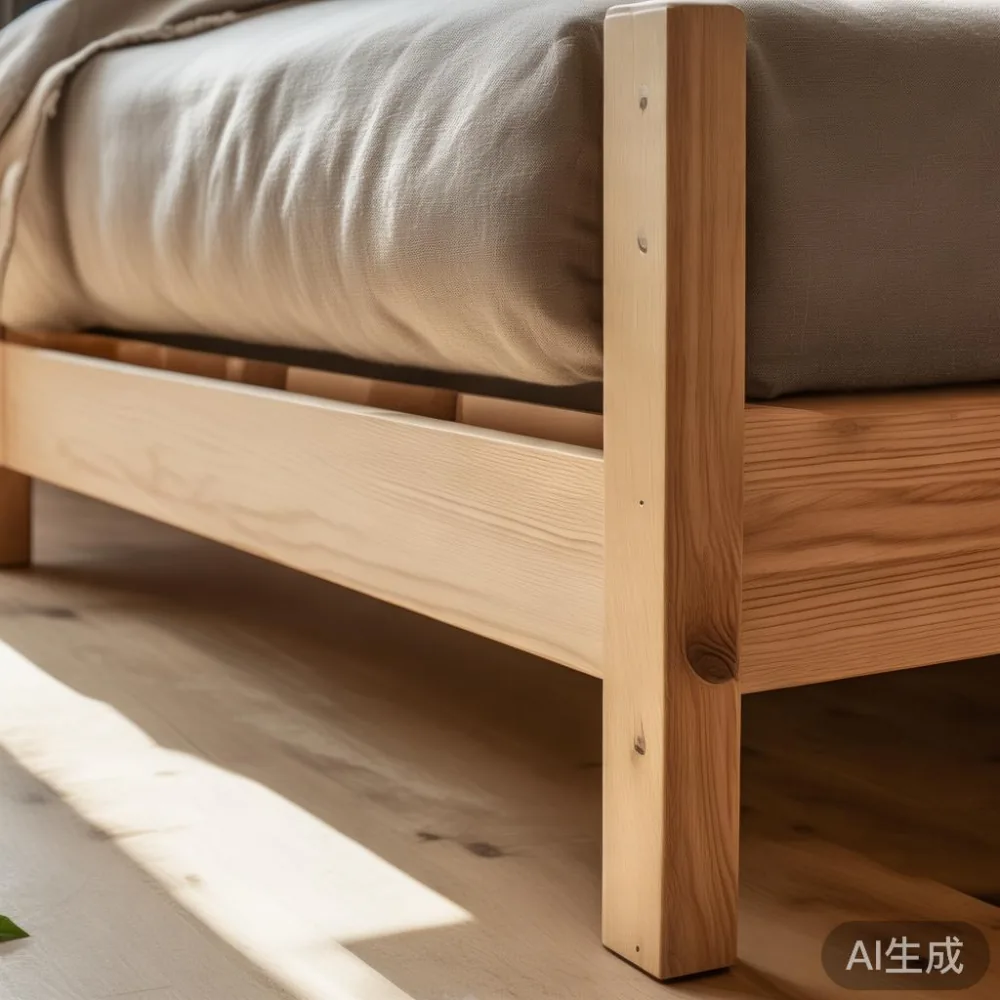
For a bed frame, load paths matter. A king bed frame rated for 350 kg may use thicker side rails, stronger corner blocks, dowels plus bolts, or concealed metal brackets. A decorative frame that supports 150 kg may look substantial but require less material. Ask for the stated capacity, rail dimensions and joint method. A 45 mm rail is not automatically stronger than a 30 mm rail if the connection is weak.
Comparisons such as European bed vs Nordic bed often focus on silhouette, but manufacturing route also affects price. A European-inspired bed may use carved details, moulded profiles and layered upholstery support. A Nordic-inspired frame may use straight lines, simpler joinery and visible fasteners. Neither route is inherently more expensive; complexity and hand-finishing usually tell you more than style name.
Likewise, European sofa vs Nordic sofa can describe proportions and detailing, not a fixed construction standard. A solid wood sofa frame may use kiln-dried hardwood, plywood reinforcement, webbing, foam and springs. Check whether “solid wood” refers to the visible frame or the entire internal structure. A frame that is solid wood at the arms but partly engineered at hidden joints should be described accurately.
What do joints, curves and hand-finishing add to a price?
Straight furniture is generally faster to produce than curved furniture. A dining table with a 4 cm waterfall edge may require specialised equipment and more stock preparation. A bed with a 12 cm radius headboard, fluted panels or hand-carved motifs needs templates, sanding, touch-up and inspection time. A wardrobe with 18 doors, 54 drawers and 12 adjustable shelves also takes longer than a two-door model.
Hand-finishing should not be confused with handmade construction. A factory-applied spray finish can be even and durable when the preparation is correct. Hand finishing can be valuable for edges, small repairs and detailed profiles, but it is slower. A single dining table may spend 3–6 hours in surface preparation and finishing, followed by 2–4 days curing or resting before packing, depending on the coating and humidity.
Joinery also affects the price. Mortise-and-tenon, dowel, pocket-screw, mitre and metal-corner methods serve different purposes. The best option for the product is the one that fits the load, timber movement and use pattern. Marketing language should explain the connection instead of treating every method as a luxury feature.
How much do hardware and finishes really add?
Hardware is easy to overlook because it occupies only a few square centimetres of a large piece. A wardrobe with 12 soft-close hinges, 12 drawer slides and one LED strip may cost SGD 80–220 in hardware and accessories. A simpler exposed-hinge and runners version may cost SGD 25–80. The difference is visible in daily use, particularly when a 55 cm drawer closes softly and stays aligned.
For a solid wood bed frame, a centre support leg, slat spacing and fastening system influence both comfort and longevity. A 160 cm-wide queen bed may use 12–14 slats with centre support; a 180 cm king bed may use 14–16. Do not assume that more slats automatically mean better quality: material thickness, spacing and frame rigidity work together.
Finish selection also changes cost. Standard matte lacquer may be economical. Smoked oak, fumed walnut, wire brushing, whitewashing, multi-layer stain and hand-rubbed oil require different preparation and colour matching. A clear matte finish does not hide wood colour; it preserves it. If the goal is a light interior, request samples rather than relying on a screen image.
Marble tables sit outside pure solid wood, but they belong in a price discussion because shoppers often compare them with wooden dining tables. A sintered-stone or porcelain surface may cost SGD 350–900 per square metre before fabrication, while natural marble varies widely by slab and defect level. A 180 cm by 90 cm marble table has about 1.62 square metres of surface area, and edges, cut-outs, treatment and base design add cost. Marble is not automatically suitable for every household: weight, staining, water marking and breakage risk should be considered.
How do HDB lifts and condo corridors affect delivery cost?
Singapore homes make access part of the furniture price. HDB corridors can be around 90–120 cm wide in common older layouts, while newer blocks and private corridors may vary. A 220 cm long wardrobe side panel may fit an open doorway but become difficult to turn through a landing or corridor corner. A compact bed frame can also be assembled downstairs if the room cannot accept its full size.
Measure before ordering. Record the lift door width, lift depth, lift height, hallway turns and the distance from the lift to the room. A 90 cm lift door with a 210 cm deep car will not accept a 220 cm rigid panel unless it is angled carefully and safely. The delivery team may need a second handler, extra blankets or a hoisting arrangement; these are service requirements rather than product defects.
Typical Singapore delivery scenarios give useful planning ranges:
- Standard HDB delivery within a short route: SGD 30–70.
- Upper-floor HDB or larger item: SGD 60–120.
- Condo delivery with lift reservation: SGD 70–150.
- Remote-area or two-person handling: SGD 120–220.
Ask whether assembly, packing removal and lift coordination are included. MIDHILL offers free shipping for orders above US$350, although the exact local service arrangement and any destination charges should be confirmed at checkout. A free-delivery threshold can reduce the sticker price difference between two suppliers, so compare the final delivered amount.
What is the difference between budget under1000 and a low quotation?
A low quotation may use less timber, lower-grade boards, simplified hardware, thinner components or a thinner finish system. A carefully specified product may still fit budget under1000 while spending more where it matters: structural rails, moisture control, smooth edges, stable drawer runners and reliable joinery.
Consider a 180 cm solid wood dining table. A simpler model may be SGD 620 before GST, with a 32 mm top and basic finish. A more substantial model may be SGD 890 before GST, with a 40 mm top, reinforced apron, stain and clear protective coating. Neither is automatically right. The question is whether the 180 cm top is supported properly and whether the finish suits your meals and cleaning routine.
For a bed frame, a quoted SGD 690 model may use a 30 mm rail and basic slats, while an SGD 950 model may use a 45 mm rail, stronger corner connections and better hardware. For a wardrobe, a 210 cm-wide three-door unit may be SGD 780–1,250, depending on internal fittings and finish. A nightstand at SGD 160–320 may be visually similar but differ in drawer travel, joinery and finish quality.
Use a short specification checklist:
- Confirm the dimensions in cm.
- Ask for board thickness and species.
- Check whether hidden areas are solid wood or engineered.
- Request the load capacity for beds and sofas.
- List hardware brands or operating features.
- Ask for the finish name and maintenance method.
- Confirm GST, delivery and assembly.
- Review the structural warranty and refinishing terms.
For accent seating, searches for light luxury accent chair often reveal how much of the price comes from upholstery rather than timber. A solid wood chair with a moulded shell, fabric, foam and detailed stitching can be SGD 380–900. The same frame with a durable plain weave may cost SGD 240–550. If the chair is mainly decorative, prioritise seat comfort, stability and fabric care over elaborate carving.
Style terms can also inflate a price without improving use. If you are looking for for sale Post-modern furniture, inspect the actual material and dimensions. If your search list says best Industrial wardrobe for 2026, define “best” through storage capacity, door clearances and daily workflow rather than a marketing phrase. And if you are comparing best Post-modern sofa for 2026, test seat height, arm depth, cushion support and frame construction; a striking shape should still fit a 220 cm HDB living room.
How can a Singapore buyer compare quotes fairly?
Start with the final cost in SGD, including GST and delivery. Next compare like-for-like specifications. A 200 cm by 90 cm dining table should be compared with another table of the same top dimensions, not with a 180 cm model photographed at a different angle. For wardrobes, compare the number and size of shelves, drawers, rails and doors. For bed frames, compare mattress fit, centre support and load rating.
Wood is variable, so request close-up photographs of the actual finish, edge profile and grain direction. Keep a record of the quoted dimensions in cm, the estimated weight in kg and the expected delivery window in days. Typical made-to-order solid wood pieces arrive in 4–8 weeks, while stocked or simplified products may arrive in 7–21 days. A clear estimate is more useful than an artificially short promise.
Last month I visited a supplier’s showroom and tested a 90 cm nightstand drawer with a metal ruler inside the runner. The advertised soft-close action looked smooth with an empty drawer, but the same drawer needed more force when loaded with books weighing about 12 kg. That small test explained the price difference better than the finish sample: the hardware had to control a heavier, changing load. It is the kind of practical check I would repeat before buying any wardrobe or bed frame.
For Singapore, consider the room’s airflow, sunlight, humidity and cleaning habits. Solid wood should not be placed against a damp wall without suitable protection. Outdoor use, balcony dining and frequent spills create different maintenance requirements. A satin finish may be easier to maintain than a deeply textured surface, while a dark stain may show dust and water marks more clearly than a pale natural finish.
What final price should you expect?
A reasonable planning range before GST gives buyers a useful starting point for budget under1000 projects:
- Nightstand: SGD 120–320.
- Compact solid wood sofa frame or small three-seat model: SGD 850–1,600, with upholstery and size determining the final figure.
- Bed frame: SGD 500–1,100.
- Dining table: SGD 650–1,500.
- Wardrobe: SGD 750–1,400.
- Accent chair: SGD 240–900.
- Marble table: SGD 1,100–3,500, depending on stone, size and base.
These ranges are not promises; they help identify when a price is being driven by material, construction or service. A lower price can make sense for a secondary bedroom or occasional-use table. A higher price may be justified for a primary bed, a frequently handled wardrobe or a dining surface that needs to resist daily wear.
MIDHILL’s 10-year structural warranty and lifetime refinishing policy offer a different way to judge value than a short-term discount. The 14-day return window gives time to inspect colour, dimensions and comfort, provided the item has not been altered contrary to the stated terms. For a condo, confirm access before the truck leaves; for an HDB flat, measure the route rather than assuming a wide doorway solves every turn.
The real price of solid wood furniture is the sum of the board you can see, the engineering you cannot, the finishes that protect it and the service that follows delivery. Spend your budget on the parts that affect daily use, compare complete specifications, and treat style as an expression of design rather than a substitute for construction knowledge.