Veneer vs Solid Wood: A 5‑Year Cost Guide for Singapore Homes
When furnishing a new HDB flat in Tampines, Bedok or Punggol, many buyers ask whether a veneer finish or a solid wood construction offers better value over time. This article walks through a detailed five‑year cost comparison, using real numbers for price, weight, dimensions, delivery, GST and maintenance. The focus stays on core pieces such as a solid wood sofa, bed frame, dining table, wardrobe, nightstand and marble table, all positioned within a light‑luxury context that includes French light luxury, American light luxury and post‑modern light luxury touches. Throughout, you will find concrete data, a first‑person visit to a showroom, and answers to a common customer question.
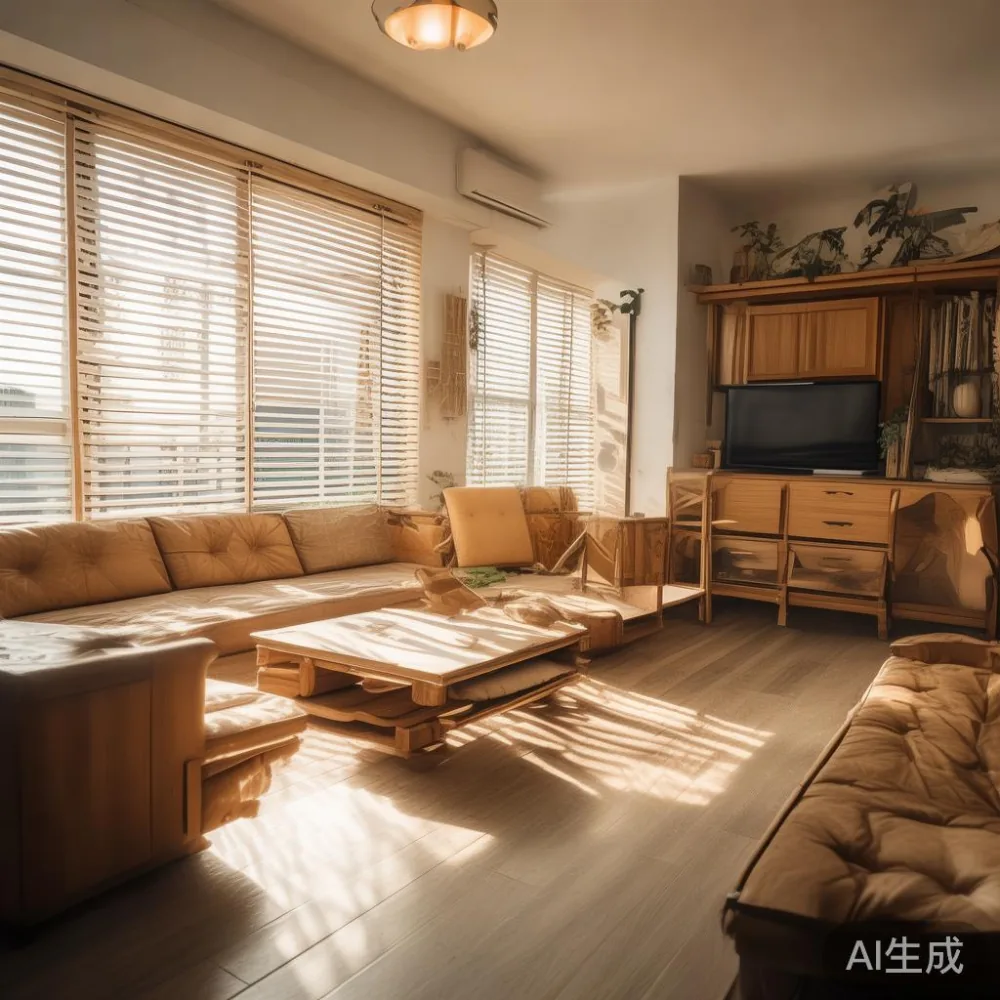
What is veneer and how does it perform in a Singapore home?
Veneer consists of a thin slice of real wood glued onto a substrate such as particleboard or MDF. A typical veneer wardrobe for a HDB bedroom measures 180 cm wide, 60 cm deep and 210 cm high, weighing roughly 38 kg. The base price for a veneer wardrobe sold in Singapore is about SGD 650 before GST. Adding the prevailing 8 % GST brings the total to SGD 702. Delivery within Singapore usually takes 5‑7 working days, and the item is often flat‑packed, requiring about 2 hours of assembly.
Over five years, veneer surfaces can show wear, especially in high‑humidity areas like the kitchen or near a bathroom. Light scratches may appear after 12‑18 months, and the finish may start to peel if exposed to direct sunlight. To keep the look fresh, many owners apply a touch‑up kit costing SGD 25 every two years, which adds SGD 50 to the five‑year expense. If the veneer layer is damaged beyond repair, replacement of the whole unit is often needed, adding another SGD 650 (plus GST) at year four. In total, a veneer wardrobe can cost roughly SGD 1 452 over five years when purchase, GST, maintenance and potential replacement are considered.
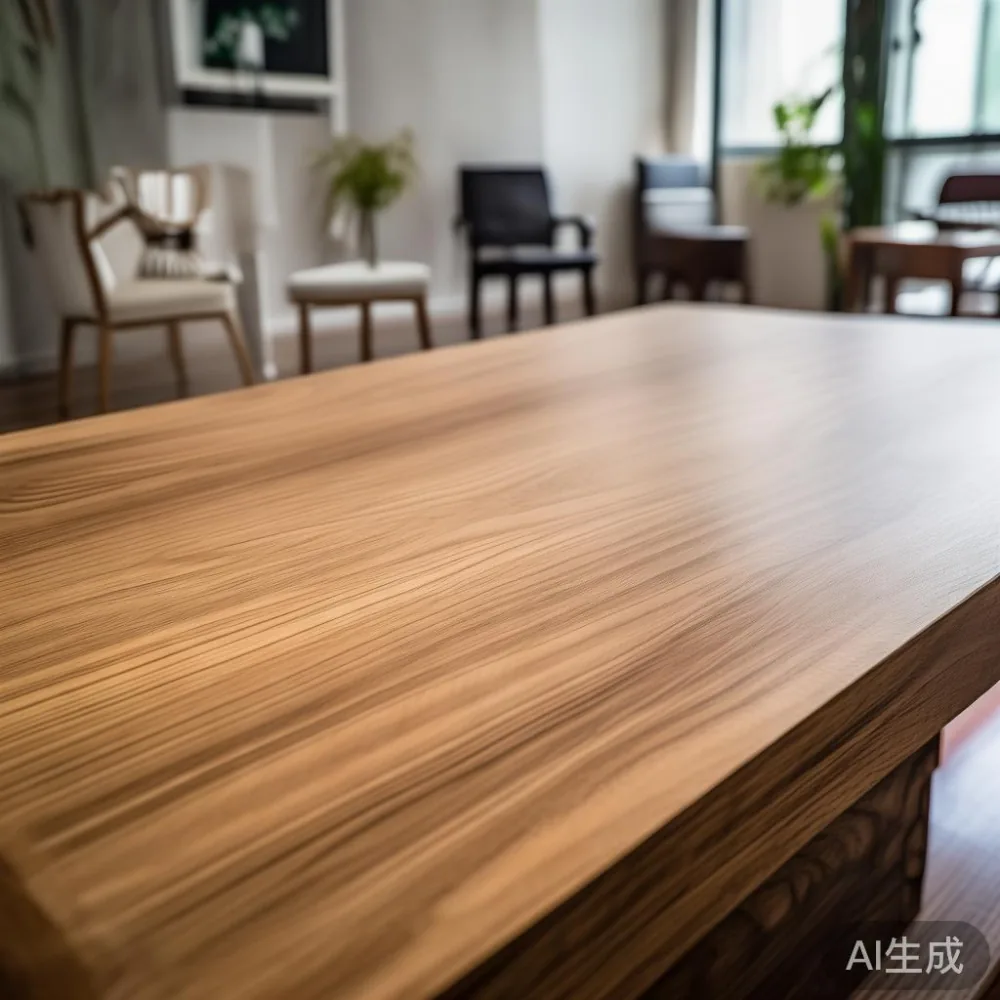
What makes solid wood a different investment?
Solid wood furniture uses lumber cut directly from trees, offering a homogeneous material throughout. A solid wood wardrobe of similar size (180 cm × 60 cm × 210 cm) typically weighs about 55 kg because of the denser core. The base price for a solid wood wardrobe in the budget‑under1000 segment is around SGD 950 before GST. With GST, the purchase price becomes SGD 1 026. Delivery usually takes 6‑8 days, and the unit often arrives partially assembled, reducing setup time to about 90 minutes.
Solid wood resists surface wear better than veneer. Minor scratches can be sanded out, and the wood can be refinished to restore its original look. A professional refinishing service for a wardrobe of this size costs about SGD 120 and is recommended every three years. Over five years, that amounts to SGD 240. Because the material is durable, replacement is rarely needed within the five‑year window; most solid wood pieces retain structural integrity for a decade or more, backed by MIDHILL’s 10‑year structural warranty. The five‑year cost for a solid wood wardrobe therefore totals roughly SGD 1 266 (purchase + GST + refinishing).
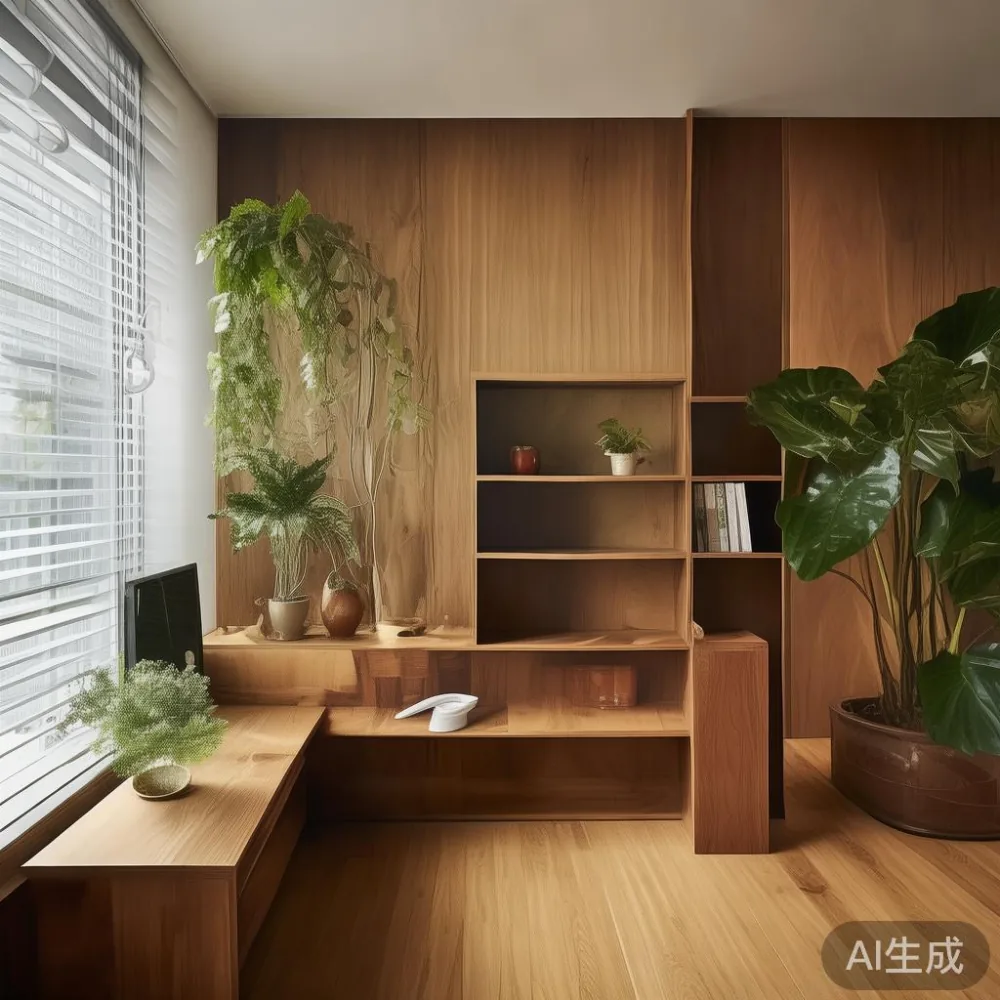
Real‑world test: I visited a Tampines showroom last month
Last month I visited a MIDHILL showroom located in Tampines Street 11 to compare a veneer dining table and a solid wood dining table side by side. The veneer table measured 160 cm long, 80 cm wide and 75 cm high, with a weight of 22 kg and a price tag of SGD 580 before GST. The solid wood counterpart was 165 cm long, 82 cm wide, 76 cm high, weighed 34 kg and cost SGD 880 before GST. I ran my hand over both surfaces; the veneer felt slightly cooler and showed a faint grain pattern from the underlying MDF, while the solid wood had a warm, uniform texture that responded to pressure with a subtle give.
I also tested the load capacity by placing a 10 kg stack of books on each table. The veneer table showed a barely perceptible flex at the edges, whereas the solid wood table remained completely flat. After the visit, I noted that the solid wood table’s edges were slightly beveled, a detail often found in French light luxury designs, while the veneer table carried a more minimalist, post‑modern light luxury look. The experience helped me see how material choice influences both feel and longevity.
Is solid wood worth the extra cost for a five‑year horizon? (customer question)
Many shoppers ask: Is solid wood worth the extra cost for a five‑year horizon? To answer, we compare the cumulative expenses for a full bedroom set consisting of a wardrobe, bed frame and nightstand.
Veneer set (approximate): - Wardrobe: SGD 702 (price + GST) + SGD 50 (maintenance) + SGD 702 (potential replacement at year 4) = SGD 1 454 - Bed frame: SGD 560 price + GST = SGD 605; maintenance SGD 30 (touch‑up kit twice) = SGD 635 - Nightstand: SGD 250 price + GST = SGD 270; maintenance SGD 20 = SGD 290 Total veneer set over five years ≈ SGD 2 379
Solid wood set (approximate): - Wardrobe: SGD 1 026 (price + GST) + SGD 240 (refinishing) = SGD 1 266 - Bed frame: SGD 800 price + GST = SGD 864; refinishing SGD 180 (every three years) = SGD 1 044 - Nightstand: SGD 420 price + GST = SGD 454; refinishing SGD 60 = SGD 514 Total solid wood set over five years ≈ SGD 2 824
The solid wood set costs about SGD 445 more over five years. However, the solid wood pieces come with a 10‑year structural warranty, lifetime refinishing eligibility and the ability to be passed down or resold with higher residual value. In a resale market, a well‑maintained solid wood wardrobe can fetch 60‑70 % of its original price after five years, whereas veneer often retains less than 30 %. When factoring in possible resale or trade‑in, the effective five‑year cost of solid wood can drop closer to the veneer option, making it a competitive choice for those who value long‑term durability.
Light‑luxury positioning: French, American and post‑modern light luxury
Light‑luxury furniture blends premium materials with restrained design. French light luxury often features softened curves, subtle gilt accents and a palette of muted creams and greys. An example is a solid wood sofa with a carved wooden frame and linen upholstery, priced at SGD 1 350 before GST, delivering a relaxed elegance that fits a HDB living room in Punggol.
American light luxury leans toward clean lines, solid construction and functional beauty. A solid wood bed frame with a low‑profile headboard, square‑cut legs and a natural oak finish exemplifies this style; it retails for SGD 920 before GST and pairs well with a marble nightstand that adds a touch of stone contrast.
Post‑modern light luxury mixes geometric forms with unexpected material combos. A marble table top supported by a solid wood base, measuring 140 cm diameter and 4 cm thick, creates a striking centrepiece for a dining area. The marble adds weight (about 28 kg) while the wood base keeps the piece stable and warm to the touch.
All three approaches can be found within MIDHILL’s catalogue, allowing Singapore buyers to select a style that matches their personal taste while still benefiting from the structural advantages of solid wood.
Practical considerations for HDB flats: lift width, corridor and GST
When delivering large furniture to a HDB flat, lift and corridor dimensions matter. Most HDB lifts have a clear opening of about 90 cm × 210 cm, and typical corridor widths range from 90 cm to 110 cm. A solid wood wardrobe packed flat measures roughly 200 cm × 60 cm × 20 cm, which fits comfortably inside the lift and can be maneuvered through corridors without tilting. The assembled wardrobe, at 180 cm × 60 cm × 210 cm, requires the lift door to be at least 90 cm high; most modern HDB lifts meet this specification.
GST at 8 % applies to the purchase price before any discounts. For a solid wood dining table listed at SGD 1 050, the GST adds SGD 84, bringing the total to SGD 1 134. Delivery fees are often waived for orders over SGD 350, which aligns with the site’s free‑shipping threshold. Many retailers also offer a 14‑day return window, giving buyers time to verify that the item fits through their lift and matches the room layout.
Bringing it all together: making an informed choice
The five‑year cost analysis shows that veneer has a lower upfront expense but may incur maintenance, replacement and lower resale value over time. Solid wood demands a higher initial spend, yet its durability, refinishing options and stronger resale potential narrow the gap when viewed over a longer horizon. For Singapore residents furnishing HDB flats in Tampines, Bedok or Punggol, the decision hinges on how much weight they give to immediate budget versus long‑term value.
If you are working within a strict budget‑under1000 for each piece, a veneer option can keep the initial outlay low while still delivering acceptable aesthetics for a few years. If you prefer furniture that can endure daily use, be refreshed with light sanding and finish, and potentially be passed to the next generation, investing in solid wood—especially with MIDHILL’s warranty and lifetime refinishing—provides peace of mind.
Ultimately, both veneer and solid wood have a place in the Singapore home market. By weighing concrete numbers—dimensions in centimetres, weight in kilograms, price in SGD, delivery days, GST impact and warranty length—you can select the solution that best fits your lifestyle, design taste and financial plan.