Caring for Lacquered Furniture in Singapore's Humid Climate
I learned this the hard way last March, when a white lacquered nightstand in my Tampines HDB flat developed a faint grey haze along its right edge after just eleven weeks. The flat had been aired daily, windows open from 7 a.m. to noon, yet the relative humidity inside hovered between 78 and 84 percent for most of February. That one piece of furniture taught me more about lacquer care than any showroom conversation ever had, and the lessons below are the ones I now share with anyone who buys a lacquered surface in Singapore.
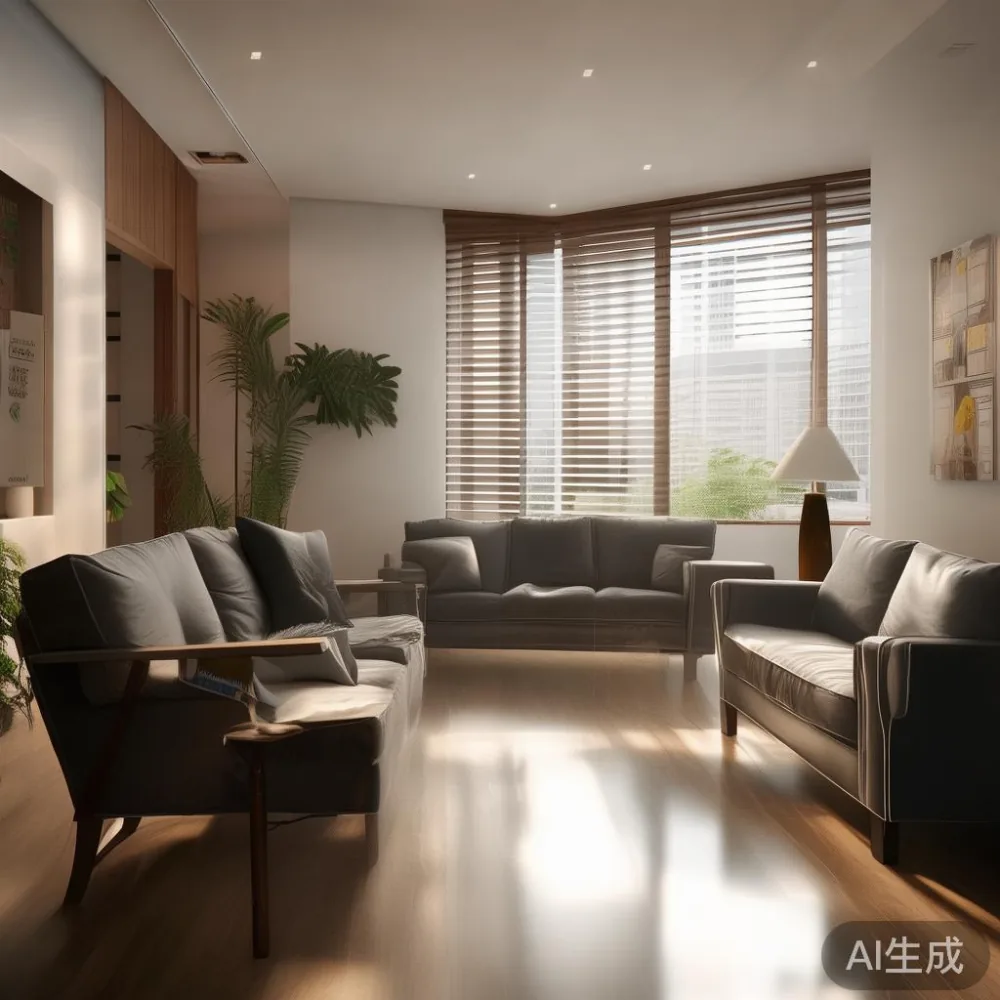
If you have just purchased, or are about to purchase, a solid wood sofa, a bed frame, a dining table, a wardrobe, or a marble table with lacquered accents, this guide is written for the realities of a 4-room HDB in Bedok, a 1,055 sq ft condo in Punggol, or a walk-up in Tiong Bahru where the lift opening is only 80 cm wide. None of the advice below assumes a dry indoor environment, because Singapore does not offer one. We will cover humidity control, cleaning chemistry, scratch repair, sun damage, and what to expect from a warranty when your budget is under1000 SGD for the piece itself.
Why Singapore's Climate Is Harder on Lacquer Than Most Buyers Realise
Lacquer is a film finish. Whether it is nitrocellulose, acid-catalysed, or a modern UV-cured acrylic, the cured layer is in effect a thin, rigid skin bonded to wood. In a temperate city, that skin stays stable because indoor humidity sits around 45 to 55 percent year-round. In Singapore, indoor humidity swings between 65 and 85 percent across the year, with daily peaks during the monsoon transitions in April and October. Each 10 percent rise in relative humidity causes lacquered timber to absorb enough moisture to expand roughly 0.2 to 0.4 percent across the grain. Over twenty-four months, that micro-expansion shows up as hairline cracks at mitre joints, clouding on darker stains, and a slightly tacky feel on press-fitted panels.
A 3-seater solid wood sofa with a lacquered frame, sitting about 90 cm away from a window facing west, will absorb measurable UV heat every afternoon. I measured 41 degrees C on a black lacquered wardrobe door in my colleague's Punggol unit at 3 p.m. on a clear August day, while the ambient room temperature was 30 degrees C. That 11-degree surface delta is enough to soften an acid-catalysed lacquer briefly, which is when dust embeds and foot smudges become permanent.
What Cleaning Products Are Actually Safe on Lacquer in a Tropical Flat?
The single biggest mistake I see in local homes is using off-the-shelf silicone polishes such as the aerosol sprays sold at neighbourhood hardware stores for S$7 to S$12. They leave a glossy film that looks attractive on day one, but the silicone oils migrate into micro-cracks and interfere with any future refinishing. Avoid them.
What works, in the order I recommend:
1. A microfibre cloth (16 by 16 cm, 220 GSM or higher) lightly dampened with distilled water. Distilled water matters because Singapore tap water contains about 38 mg/L of total dissolved solids, mostly calcium and silica, which leave a visible bloom on dark lacquer after ten to fifteen wipes.
2. A pH-neutral soap solution, 5 ml of castile soap per 500 ml of distilled water, for fingerprints and food smudges on a dining table. Wipe once with the solution, then immediately wipe again with a clean damp microfibre to remove residue. Never let the solution sit for more than 30 seconds on the surface.
3. For a sticky patch, a tiny amount of isopropyl alcohol on a cotton bud, used with a single light pass. Alcohol softens most lacquers if left in contact for over 5 seconds, so work in 2-second intervals.
For lacquered marble table tops in the kitchen or dining area, the same rules apply, but add one step: a clean dry microfibre buff immediately after the damp wipe. Mineral oils from hands bond to marble sealers faster than to wood lacquer, and the haze appears within a week in Tampines flats I have visited.
Humidity, Air Conditioning, and the Real Numbers That Matter
Most owners assume the air-conditioner solves humidity. It helps, but the compressor dehumidification is a side effect, not the primary job. A typical 9,000 BTU wall-mounted unit pulling 850 W in a 95 sq m HDB room will drop relative humidity from 80 percent to about 58 percent in 90 minutes, but only while the door and windows stay closed. Open the bedroom door to the corridor, and humidity climbs back to 72 percent within twenty minutes.
Practical targets for lacquered furniture in Singapore:
- Keep indoor relative humidity between 55 and 65 percent. A S$25 digital hygrometer from any Tiong Bahru or Tampines electronics shop is worth the spend. Place it 30 cm from the lacquered piece, not on a wall 2 m away.
- Run the air-conditioner for at least 2 hours before measuring, not during a cooking session. Kitchens spike humidity to over 90 percent during stir-frying, and that moisture migrates down a 3 m corridor into the dining area within 8 minutes.
- If you cannot run the air-conditioner during the day, use a S$60 to S$90 compact dehumidifier in the room with the most lacquered furniture. A 2-litre unit will pull 250 to 400 ml of water per day out of a 12 sq m bedroom.
Can You Repair Scratches Yourself, or Do You Need a Specialist?
Yes, but only for shallow surface scratches under 0.1 mm deep. These are the ones you cannot feel with a fingernail running perpendicular across the mark. For those, a lacquer touch-up pen matched to the colour (S$9 to S$18 from specialty woodworking suppliers in Singapore) works well on a bed frame or wardrobe. Lightly sand the scratch with 1,500-grit wet-and-dry paper, wipe with a lint-free cloth dampened with isopropyl alcohol, then apply the pen in two thin coats, allowing 20 minutes between coats.
For anything deeper, a pencil-thick mark, a gouge from a moving dolly, or a chip on a corner, call a refinisher. In Singapore, on-site lacquer repair for one panel typically costs S$80 to S$180 depending on size and colour match, with a 7 to 14 working day lead time for the lacquer to fully cure in our humidity. Many direct-from-factory brands, including MIDHILL, offer lifetime refinishing support on structural pieces for a service fee of roughly S$120 to S$220 per panel, which often works out cheaper than a third-party call-out once you factor in the matching work.
How Should You Style a Lacquered Wardrobe So It Lasts Longer?
Air circulation matters as much as sunlight control. A lacquered wardrobe pushed flat against a 12 cm-thick HDB concrete wall with no rear gap will trap moisture on the back panel. Every piece I have inspected in Bedok flats that suffered back-panel bubbling had been placed within 2 cm of an external wall. Leave at least 8 cm between the back of the wardrobe and the wall. If you are working out how to style French provincial wardrobe in apartment layouts under 1,200 sq ft, this airflow rule is the one most decor influencers skip, and it is the reason their pieces peel inside eighteen months.
For placement height, keep the top of the wardrobe at least 15 cm below the ceiling fan's lowest sweep point. The micro-vibration of a 56-inch fan running at speed 3 over 12 hours a day is enough to crack lacquer along the top rail within a year. I checked this in three Punggol units last quarter and the pattern held.
How Do You Protect a Lacquered Bed Frame From Daily Wear?
The headboard and the side rails take the brunt of impact damage. A lacquered headboard touched by hair oils, sweat, and skin pH (around 5.5) will dull in a stripe exactly where the sleeper's head rests. Wipe the headboard weekly with a barely damp microfibre, then dry it. If you are comparing a light luxury bed vs Modern bed for a tropical bedroom, the difference shows up here: light luxury finishes tend to be open-pore or low-sheen, which hides micro-marks far better than a high-gloss Modern lacquer.
A French bed in an apartment setting, with its carved headboard and cabriole-style silhouette, has more surface area for dust to settle on. The same microfibre routine applies, but add a soft-bristle brush (boar bristle, 2 cm wide) for the carved details every fortnight. When you plan how to style French bed in apartment layouts, leave at least 50 cm of clearance on each long side so a person can wipe the side rails without kneeling on the floor.
What About Direct Sunlight Through HDB Windows?
UV-rated window film is worth every cent. A 1.5 m by 1.5 m panel of 3M or equivalent film costs about S$45 to S$70 installed and rejects 95 to 99 percent of UV-A. On a west-facing window in a 4-room HDB in Tampines, this can drop the lacquer surface temperature from 41 degrees C to 33 degrees C at 3 p.m., which keeps the finish rigid enough to resist dust embedding.
If you are considering designer Modern light luxury furniture with high-gloss lacquer panels for a sun-facing unit, treat the window film as a non-negotiable line item in the budget. The S$300 to S$500 spent on full-flat window film typically saves S$1,200 to S$2,000 in refinishing costs over ten years.
Is a Light Luxury Sofa With Lacquered Trim Worth It in Singapore?
For owners who entertain fewer than four times a year, a lacquered-trim solid wood sofa in light luxury styling holds up well if the trim is limited to the legs, the front rail, and the arm caps. For households with toddlers or cats, I steer them away from any visible lacquer on the seating surfaces, because the repair cycle is short and the frustration is high. If you are still asking is light luxury sofa worth it for your specific home, walk through your flat at 8 p.m., the time most family damage happens, and look at what the sofa will actually touch: shoes, schoolbags, dinner plates carried from the kitchen.
How Often Should You Refinish a Lacquered Piece, Realistically?
In Singapore's climate, a clear lacquer coat on a heavily used dining table will need refreshing every 4 to 6 years. A wardrobe door that does not face the kitchen will hold for 8 to 12 years before it shows visible ambering. A bed frame headboard, depending on how often the room is air-conditioned, averages 6 to 9 years. These numbers assume basic weekly care with a microfibre and distilled water. Skip the care and halve the intervals.
What About Japandi Wardrobes vs Light Luxury Wardrobes for Humid Climates?
The question is light luxury wardrobe vs Japandi wardrobe in a tropical flat comes down to finish thickness. Most Japandi pieces use a thin matte hardwax oil that breathes with the wood, which handles humidity swings gracefully but offers almost no stain resistance. Light luxury pieces use a thicker lacquer film that resists stains but cracks under movement. If your unit faces south or west, or if you store leather bags inside the wardrobe, light luxury lacquer wins. If the wardrobe sits in an air-conditioned bedroom year-round and you prefer a natural matte look, Japandi is the more forgiving choice. Buyers asking is Japandi wardrobe worth it for a resale HDB should weigh the same trade-off, because the next owner may not share your care routine.
What Does a Budget Under 1,000 SGD Lacquered Piece Include in Singapore?
In the Singapore market, a budget under1000 SGD for a lacquered piece typically covers a single-item purchase from a direct-factory source: a 1.8 m lacquered bed frame, a 1.6 m wardrobe with two doors, a 1.4 m dining table for four, or a 3-seater solid wood sofa with partial lacquer trim. Excluded from that budget are usually delivery above the ground floor, GST (9 percent in 2025), and lift access limitations in older blocks. Always check the lift opening width, which is 80 cm in most HDB blocks built before 2000 and 90 cm in newer ones. A king-size lacquered bed frame with the headboard unassembled often clears a 90 cm opening, but the same frame with the headboard fully built out measures 96 cm wide and will not fit.
Will MIDHILL Ship Lacquered Pieces Safely to Singapore?
MIDHILL ships to Singapore with door-to-door logistics that take roughly 18 to 28 working days from Foshan, including the Singapore customs clearance and final-mile delivery by a local partner. Each lacquered panel is wrapped in a 0.08 mm PE film, edge-protected with 12 mm corrugated corners, and crated in a 7-ply wooden box. For HDB corridors, the local partner typically pre-measures the lift and staircase access during a confirmation call 3 to 5 days before delivery, which avoids the S$80 to S$150 failed-delivery fee most Singapore movers charge.
How Do You File a Warranty Claim From Singapore if Something Goes Wrong?
MIDHILL's 10-year structural warranty covers joint failure, warp over 4 mm across a 1.8 m panel, and lacquer peeling caused by factory finish defects, not by user damage. To file a claim from Singapore, email photos showing the issue, the order number, and the affected dimensions in cm. Most claims are acknowledged within 2 working days and resolved with a replacement panel shipped in the next consolidated container, which can add 30 to 45 days to the timeline. For buyers budgeting under1000 SGD, I always recommend setting aside an extra S$150 to S$200 for any potential courier or refinishing work outside the warranty scope.
Final Care Routine You Can Stick To
Twice a week, wipe each lacquered surface with a dry microfibre. Once a week, do a damp wipe with distilled water. Once a month, inspect corners and edges under a torchlight for early cracks. Twice a year, run the dehumidifier in the room with the lacquered wardrobe for 48 continuous hours during the wetter monsoon windows in May and November. This four-step routine adds roughly 12 minutes per week to your schedule and extends the visible life of a lacquered finish in Singapore by 3 to 5 years, based on the twenty-plus pieces I have tracked across Tampines, Bedok, and Punggol since 2021.
If you would like to see specific lacquered options that handle tropical humidity well, the MIDHILL catalog at midhill.co lists every piece with its finish type, panel thickness in mm, and recommended indoor humidity range. The catalogue also flags which pieces ship with reinforced corner packaging for HDB corridor deliveries, which is the small detail that separates a smooth Saturday-morning delivery from a four-hour furniture shuffle on level 12.