How to Care for a Lacquered Surface in a Tropical Climate Without Breaking the Bank
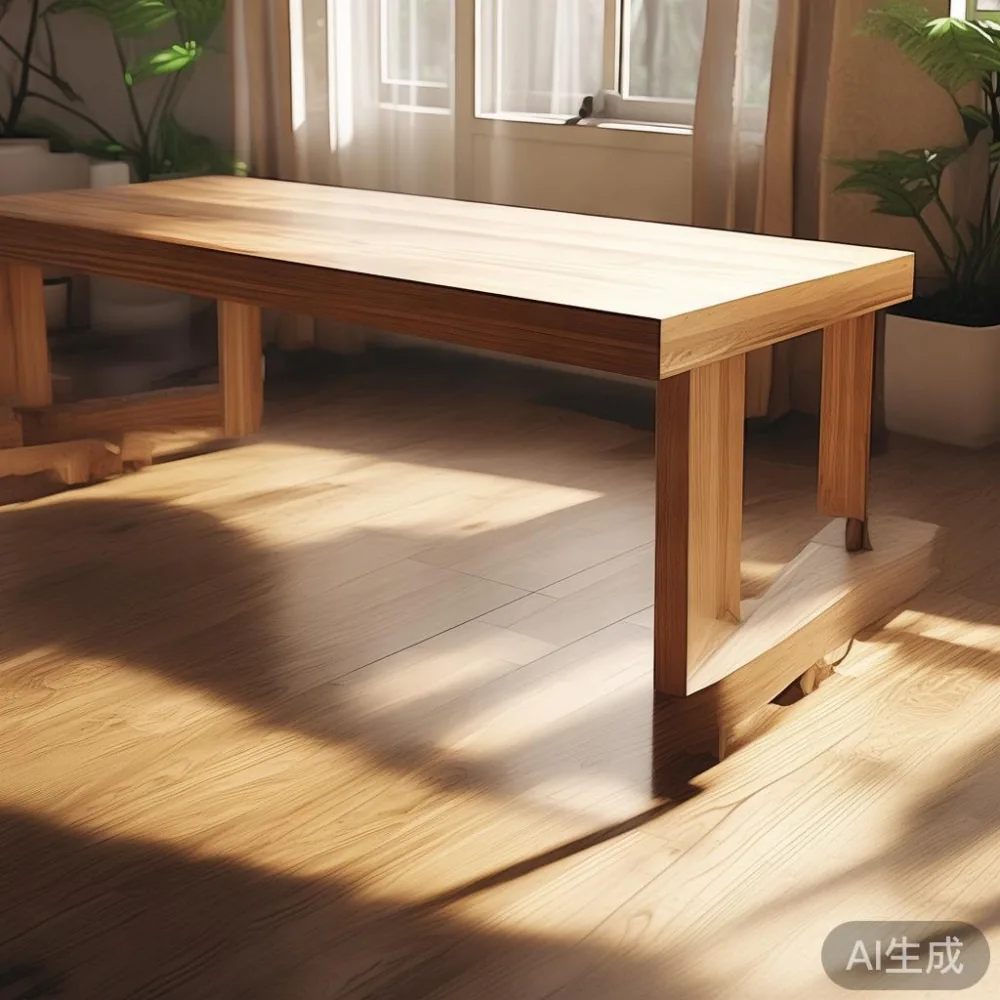
I still remember the afternoon my colleague carried a brand-new solid wood dining table up the service lift of a Bedok 4-room flat. The corridor was a tight 1.2 m wide, the lift door barely 0.8 m, and the table — wrapped in two layers of 5 mm foam and a corrugated carton — had to be tilted 35 degrees just to clear the railings. By the time it reached the dining area, the buyer was already worried about something else entirely: how the glossy lacquer would survive Singapore weather. Relative humidity outside was reading 84%, and the air-con had been off all day. She was not wrong to worry. Lacquer and tropics are a strange couple, and a budget under 1000 spend on furniture deserves a proper care plan, not guesswork.
That conversation in Tampines is the reason this guide exists. MIDHILL ships from Foshan furniture factories to Singapore every week, and after helping enough customers on HDB floors 4 to 18, the same six questions come back. This piece answers them, with real numbers, SGD prices, and a routine that takes under eight minutes a week.
Why Does Singapore Humidity Wreck Lacquer Faster Than Other Finishes?
Lacquer is a thin, hard film — usually 0.04 mm to 0.08 mm thick — bonded to the wood beneath. In Singapore, indoor humidity regularly swings between 55% (afternoon, air-con on) and 88% (after a thunderstorm with windows open). That 33-point swing is the enemy. Every time the wood fibres under the lacquer absorb or release moisture, they expand and contract. The lacquer cannot stretch the same way, so micro-cracks form at the joints, around handles, and along the grain. On a dining table, you usually see it first at the leaf extension gap; on a wardrobe, it shows up at the top corners where warm air meets cool air.
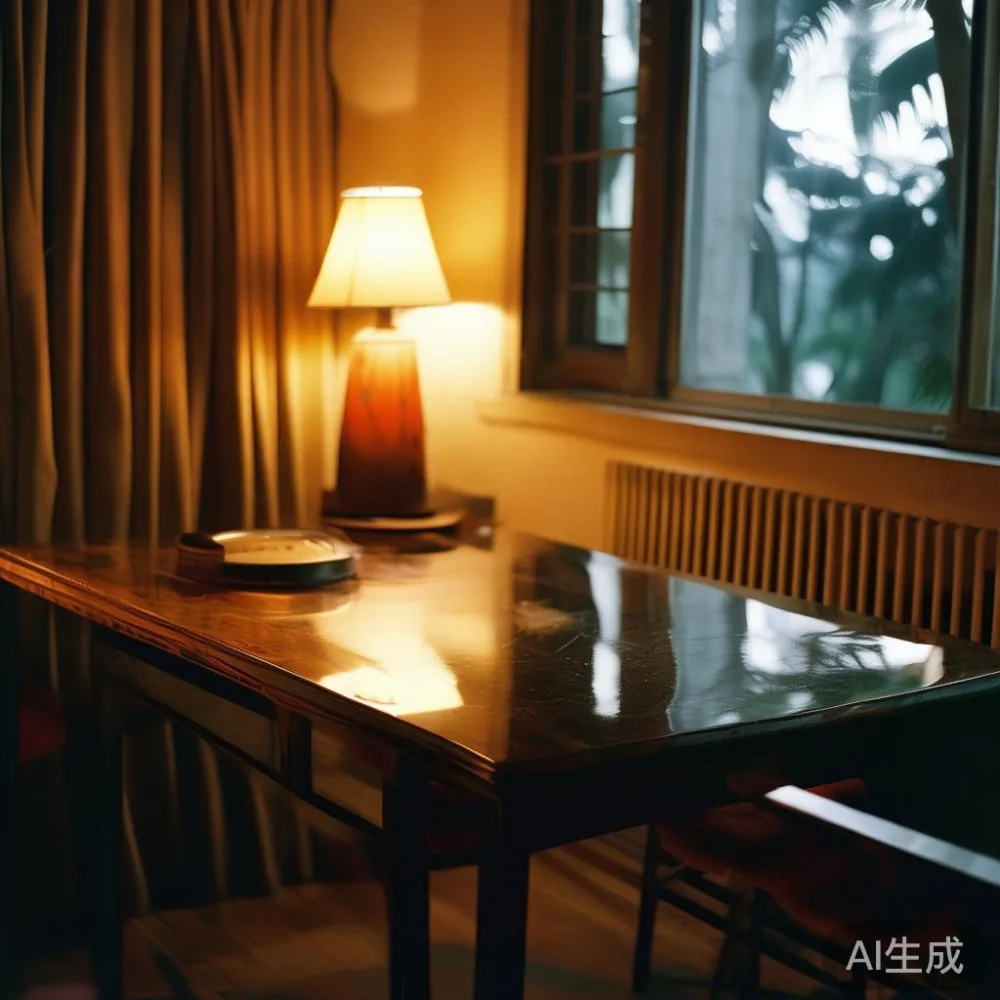
Temperature plays a quiet supporting role. HDB flats without air-conditioning sit at 28°C to 32°C for hours. Lacquer softens slightly once the surface passes 30°C, which is why a cold glass placed on a lacquered nightstand can leave a faint white ring — not because the wood is wet, but because the moisture cooled the lacquer below its glass-transition point and trapped a layer of air. The fix is not a coaster conspiracy. It is steady humidity.
What Is the Cheapest Equipment Setup That Actually Works?
You do not need a smart ward room system. A S$18 digital hygrometer from a neighbourhood shop in Punggol Plaza, paired with two silica-gel canisters (S$6 each) and a small dehumidifier rated for 12 m² to 16 m² rooms, will cover a standard HDB bedroom. Expect to pay S$89 to S$140 for the dehumidifier. Run it on a humidity switch set to 55%. The machine will pull 250 ml to 450 ml of water a day during the December monsoon and barely anything on a dry February afternoon.
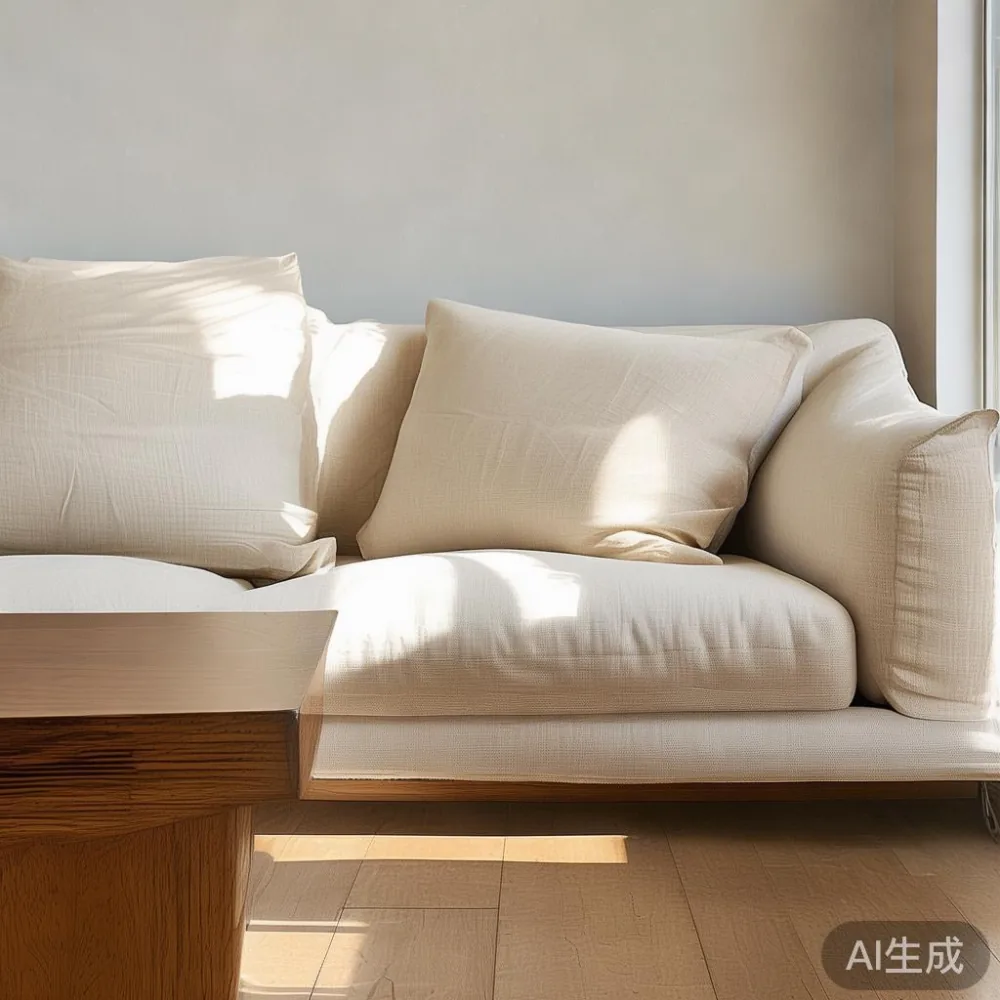
For the living area where your solid wood sofa sits, you already have the best tool: the air-conditioner. Set it to Dry mode for 30 minutes before bed. The compressor will drop the room to 22°C and 50% RH without much extra on your SP Group bill — roughly S$0.12 a night for a 1.5 HP unit. That single habit will double the lifespan of any lacquer finish.
How Often Should You Clean a Lacquered Surface, and With What?
Once a week is the right rhythm for most homes. Twice a week during the November to January monsoon, once every ten days on a dry week. Use a microfibre cloth (40 cm × 40 cm, 220 GSM, around S$4 for a pack of four) lightly dampened — never dripping. Wring the cloth until no water falls when you flick it. The cloth should feel cool, not wet.
For the cleaning solution, mix 200 ml of distilled water (S$0.80 a litre at FairPrice) with three drops of pH-neutral dish soap. Avoid anything containing silicone, ammonia, or vinegar. Silicone leaves a film that traps dust; ammonia dulls the lacquer over time; vinegar is mild acid and will cloud the gloss after eight to ten uses. A small S$12 spray bottle makes the mix last a month.
Spray the cloth, not the furniture. Wipe with the grain in straight, overlapping strokes about 15 cm long. Buff dry with a second microfibre cloth within 60 seconds. The whole process for a 1.8 m dining table takes about four minutes; a six-door wardrobe takes around twelve.
Will a Budget Under 1000 Piece of Solid Wood Furniture Survive a HDB Balcony?
Short answer: no. Direct sun and rain will bleach and blister lacquer within four to six months. Even under 2000-coverage paint, UV breaks down the resin and you get that cloudy, orange-skin texture. If you want a small marble table or a lacquered stool on the balcony, pick up a piece of outdoor-grade teak instead and save the solid wood sofa, bed frame, dining table, wardrobe, and nightstand for inside.
If your HDB balcony is covered (most post-2015 BTOs in Punggol have a 1.5 m deep shelter) and the piece sits at least 60 cm back from the sliding door, it can handle ambient humidity — just not splashes. A potted plant with a leaky saucer will leave a white water-ring on a lacquered top in under three hours. Use a felt pad (S$0.50 each) under every pot.
What Should You Do the Day a New Piece Arrives?
My colleague's Bedok delivery taught me a routine I now share with every customer. The day your Foshan furniture arrives:
Let it sit in the carton for 60 minutes if the air-con has been running, or 30 minutes if not. This lets the wood adjust slowly to the room temperature rather than absorbing sudden moisture. Wipe it with a dry microfibre cloth to remove shipping dust — never a wet one on day one. Apply a thin coat of paste wax (S$18 to S$25 a tin) once, using a soft cloth in circles, then buff after 20 minutes. One tin covers six dining tables. This sacrificial layer buys you time if someone spills something at a house gathering.
Leave 5 cm to 8 cm clearance behind a wardrobe for air to move. HDB walls sweat during the monsoon and a wardrobe pressed flat against the wall will trap moisture and blister the back panel within a year. If you have a french sofa gallery photos mood board with the sofa pushed against a feature wall, leave that 5 cm gap there too.
Are Household Hacks Like Toothpaste, Baby Oil, or Coconut Oil Safe on Lacquer?
Toothpaste is a very mild abrasive — about 4 on the Mohs scale. It will polish out a faint scratch on a solid wood dining table once, maybe twice, then it will start dulling the surrounding gloss because you have removed lacquer from the high points. Use it sparingly, with a damp cloth, and only on a localised mark.
Baby oil and coconut oil are popular in TikTok HDB cleaning videos, but they both go rancid in tropical humidity within three to four weeks. The smell starts mild, then turns waxy and sour, and removing the polymerised film requires a solvent you should not keep in a HDB with children. Skip the kitchen-cabinet remedies and stick to the soap-and-water mix already described.
How Do You Match Lacquer Care to a Light-Luxury Style on a Budget Under 1000?
Light luxury — French light luxury in pale oak, American light luxury in walnut tones, or the cleaner post-modern light luxury look — all rely on a deep, even gloss to read as expensive. A dull surface cheapens the look faster than any other finish, which is why weekly care matters more for these pieces than for a rustic matte design. A 1.6 m light luxury bed vs French provincial bed comparison often comes down to maintenance: lacquered light luxury pieces need the routine above, while French provincial painted pieces hide micro-wear under their chalky surface and tolerate neglect better.
If you are weighing a budget under 1000 piece against a S$2,400 alternative, factor in maintenance time, not just the sticker. The cheaper piece, cared for properly, will look better than the expensive piece that gets ignored. MIDHILL supports this with a 10-year structural warranty and lifetime refinishing on most lacquered solid wood items — meaning if you do cloud the gloss in year six, you can ship the top back to the Foshan workshop for a re-spray at cost, usually S$180 to S$320 per panel including return freight.
What Does a Year of Lacquer Care Actually Cost a Singapore Household?
Add it up honestly. Two microfibre replacements (S$8), one tin of paste wax every six months (S$40 a year), 4 litres of distilled water (S$3.20), 40 ml of dish soap (already in the kitchen), and the modest S$15 a month added to the SP Group bill for dehumidifier runtime in the wettest months. The full year totals around S$180, or S$15 a month. Compared to a single S$1,200 re-spray, the routine pays for itself within six months.
For households chasing the best Modern wardrobe for 2026 or the best Modern bed for 2026 on a budget under 1000, this care plan is the difference between a piece that still looks presentable in 2031 and one that looks tired by 2028. It is not glamorous work, but it is what keeps light-luxury lacquer looking like the Foshan furniture catalogues promised on the day of delivery.
How Do You Move Lacquered Furniture Out Without Scratching It During a Renovation?
Two extra people, two moving blankets (S$12 each from a Bedok hardware shop), and one roll of painter's tape. Wrap the piece corner-to-corner, tape the blankets in place, and never drag — always lift with a second person on the opposite side. A standard six-door wardrobe weighs 78 kg to 95 kg depending on the wood; a queen-size bed frame sits at 42 kg to 55 kg. If you cannot carry it yourself, a three-man crew from a Tampines mover runs S$120 to S$180 for an HDB-to-HDB job within a 3 km radius.
Skip the bubble wrap for the lacquered face — the bubbles imprint under Singapore sun within minutes and leave a permanent texture. Moving blankets breathe and that is exactly what you want during a 20-minute corridor wait for the lift. If you have a light-luxury dining table, remove the legs where possible. MIDHILL designs most tables with bolt-on legs specifically to make this step easy.
Can You Refinish a Lacquered Surface Yourself, or Should You Call a Specialist?
Small scuffs, yes. Anything deeper than 0.02 mm into the lacquer — about the thickness of a sheet of copy paper — should go to a specialist. Self-spraying lacquer in an HDB is genuinely risky: the aerosolised nitrocellulose is flammable, the fumes linger in a non-ventilated corridor for hours, and your neighbours have every right to complain to the town council. A workshop-grade water-based lacquer applied by a Tampines refinisher runs S$60 to S$90 per square metre of surface, with a 72-hour cure time.
For the small stuff — a 2 mm scratch on a nightstand, a dull patch under a flower pot — a furniture touch-up pen in the matching tone (S$8 to S$14) is the right tool. Lightly sand with 1500-grit wet paper, fill, let dry for 15 minutes, buff. It will not be invisible, but at conversation distance it disappears.
Where Can You Practise Japandi Styling Without Damaging the Lacquer?
If you have been reading guides on how to style Japandi wardrobe in room layouts, the rule is simple: empty space and breathing room. Push the wardrobe 5 cm off the wall, leave 80 cm of clear floor in front of the doors, and resist the urge to drape a linen runner over the lacquered top — runners trap moisture and leave tide marks within two weeks in monsoon season. A small ceramic dish, a single dried branch in a 25 cm vase, and nothing else reads as Japandi and keeps the lacquered surface visible and dry.
Final Notes Before You Place That Order
Singapore HDB living asks for care, but it does not ask for perfection. A solid wood dining table, a six-door wardrobe, or a queen bed frame finished in lacquer and shipped from Foshan furniture makers will give you a decade of service if you follow the weekly wipe, the humidity target, and the no-direct-sun rule. Free shipping kicks in above US$350 (around S$470) and 14-day returns protect you if the piece arrives with a transit scuff. GST is absorbed on the displayed price for orders below S$1,000 in most cases, so the budget under 1000 ceiling you set stays exactly that. Treat the lacquer like you would treat a leather handbag — a small habit, repeated, with the right cloth, and it will outlast every trend that comes through your Tampines, Bedok, or Punggol flat door.