Solid Wood Furniture in Singapore’s Humidity
Singapore’s humidity is not an occasional inconvenience. It is a constant design condition for every solid wood sofa, bed frame, dining table, wardrobe, and nightstand used in HDB flats and private condos. Average relative humidity often falls between 70% and 85%, while monsoon periods can push it higher. In an air-conditioned bedroom, readings may drop to 50% within 30 minutes; beside a kitchen window, they can rise again within 45 minutes. Those repeated swings affect timber movement, joints, finishes, and even the stability of a marble table.
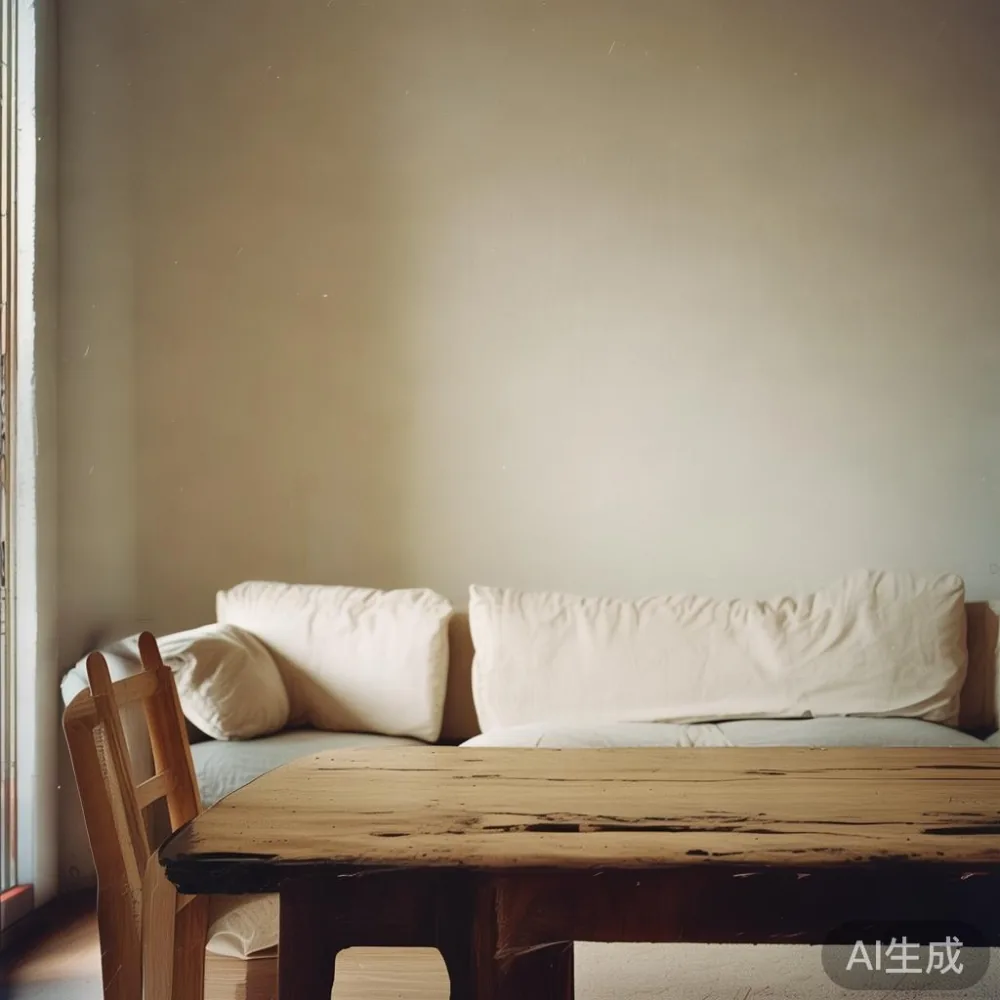
This guide explains how moisture changes wood, what apartment residents should watch for, and how to choose budget under1000 furniture that remains practical in Tampines, Bedok, Punggol, and other Singapore addresses. It also considers the realities of narrow lift doors, compact corridors, GST-inclusive spending, and frequent tropical ventilation. For buyers comparing designer light luxury furniture, durability should be evaluated before decorative details or brand language.
Why Singapore’s humidity changes solid wood furniture
Wood is hygroscopic: it absorbs atmospheric moisture through its exposed surfaces. A dining table may expand across its width by roughly 1% to 3% during prolonged high humidity, depending on the species, panel construction, finish, and edge sealing. That sounds small, but on a 180 cm table it can mean approximately 1.8 cm to 5.4 cm of dimensional change over an extreme cycle. Solid timber can cup, bow, or split if one face dries faster than the other. Veneered panels generally move less, though their substrate and adhesive still require stable indoor conditions.
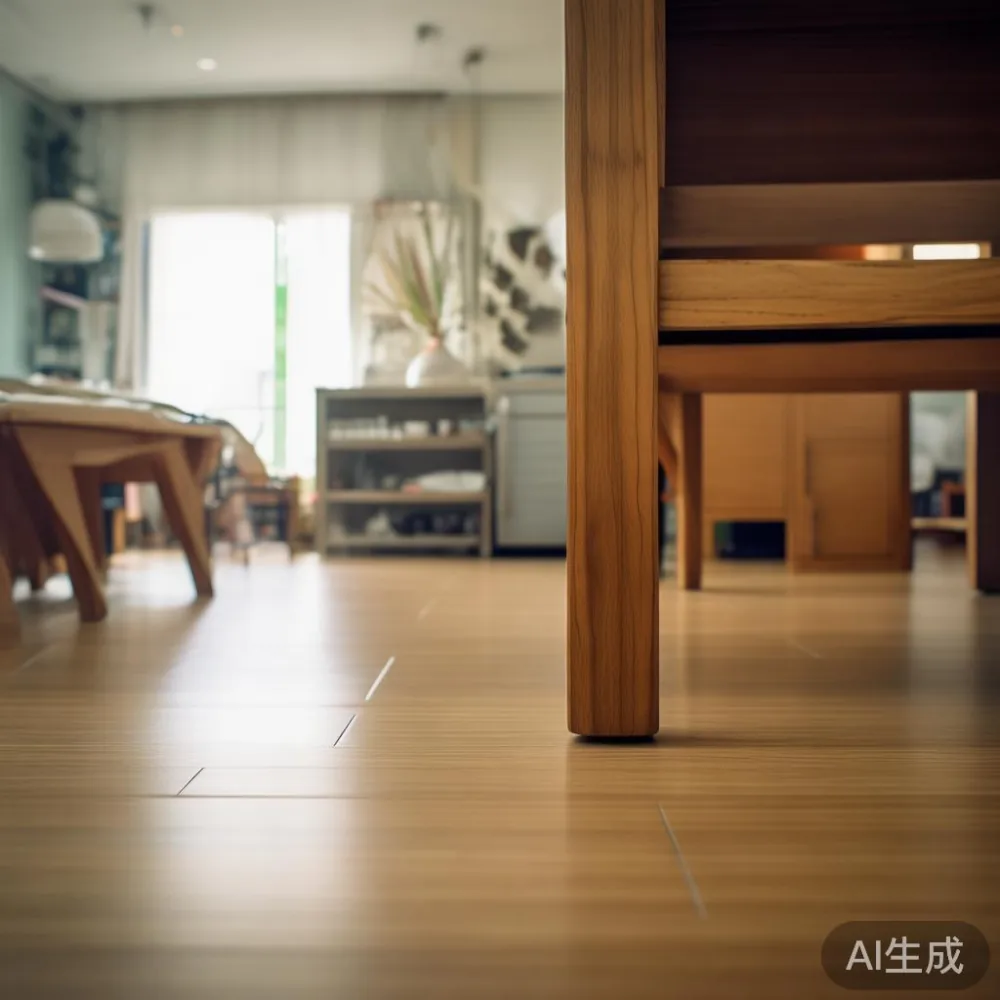
The risk is stronger in Singapore than in drier temperate regions because outdoor humidity remains high for much of the year. Air conditioning creates the opposite problem by lowering moisture quickly. A living room that receives direct afternoon sun might move from 28°C and 80% relative humidity to 22°C and 55% within 2 hours. Repeated movement of that scale is more demanding than keeping a room at a constant 24°C and 60% humidity.
Buy one home’s furniture after understanding its microclimate rather than relying on a general Singapore weather forecast. Place a hygrometer in the actual room for 7 days. Record readings at 8 am, 2 pm, and 10 pm. Note whether the reading exceeds 70% for more than 4 hours, especially near windows, bathrooms, and sliding glass doors.
Which woods and finishes handle tropical humidity better?
No solid wood species is completely moisture-proof, but dense hardwoods generally tolerate humidity more predictably than softwoods and low-density engineered products. Teak has a reputation for weather resistance because it contains naturally durable oils, yet indoor teak still needs sealed undersides and controlled ventilation. Rubberwood, ash, beech, oak, and walnut can all work in Singapore when the construction accounts for moisture movement. The key is not simply choosing a darker colour or a harder timber.
Look for furniture with solid wood components, restrained joinery, and a finish applied to every exposed face. A well-finished dining table should have sealed edges, underside coverage, and stable panel movement. A wardrobe should include adjustable hanging hardware that can accommodate seasonal variation. A solid wood sofa should use kiln-dried frames protected from direct moisture rather than untreated timber near the floor.
Finish matters just as much as species. Film finishes reduce surface permeability more effectively than thin lacquer, while hardwax oils allow wood to breathe but demand careful maintenance. Water-based polyurethanes can work well when properly cured. Spray finishes often produce attractive results on curved pieces, although consistent coverage around edges and recesses requires good factory control.
French light luxury styling often uses pale oak, walnut accents, tapered legs, and restrained upholstery. American light luxury tends toward deeper browns, rounded profiles, and substantial silhouettes. Post-modern light luxury may combine clean planes with warmer timber. In every style, the construction quality should match the visual intent. Buyers searching for a luxury Mid-century modern furniture design should also check the underside, drawer boxes, and connection points rather than relying only on photographs.
Can a budget under1000 dining table survive Singapore humidity?
Yes, if its design acknowledges seasonal movement and the household controls indoor moisture. A budget under1000 dining table is usually a 120 cm to 160 cm model with solid wood elements rather than an entirely solid timber top. For a family of 4, allow at least 60 cm per place setting; a 140 cm table generally fits 6 people with modest dishes. For a family of 6 in a compact HDB dining area, consider 160 cm to 180 cm, then check that chairs can be pulled back by 60 cm.
Measure before ordering. Typical HDB lift doors are approximately 80 cm to 90 cm wide, while some service lifts measure only 70 cm to 75 cm. Internal corridor turns may provide only 100 cm to 130 cm of clearance. A 160 cm table can often be carried vertically through a 90 cm lift opening, but the turn from the lift lobby into the corridor still matters. Request the packaged dimensions, not just the assembled dimensions. A model weighing 48 kg may need 2 movers and 8 minutes of coordinated handling; one weighing 72 kg may need 3 people or a trolley.
For buyers with larger plans, under 2000 Italian light luxury furniture is one category to examine for proportions, joinery, and finish consistency. Yet a lower-cost table with stable construction can be more suitable than a higher-cost imported design with exposed edges. Ask whether the top is solid wood, whether panels are veneered, how the base joins the top, and whether the underside is sealed.
How do HDB flats and condos differ in moisture exposure?
HDB flats generally offer limited natural cross-ventilation, especially on lower floors facing sheltered courtyards. Window condensation can leave a sill wet by 7 am even when no rain has fallen for 18 hours. Air-conditioned bedrooms may then alternate between 55% and 80% relative humidity as doors are opened. Keep solid wood at least 30 cm from an open window and 60 cm from an air-conditioning vent. Use felt pads beneath a nightstand rather than a plastic sheet that traps moisture against the underside.
Private condos can have larger windows, stronger air conditioning, and more generous circulation, but those features do not guarantee stable furniture conditions. Punggol homes near the waterfront may experience higher salt aerosol and humidity. Bedok units close to the coast face greater corrosion risk for metal fasteners and hinges, even when the timber itself is protected. In Tampines, a west-facing living room can heat up to 32°C by late afternoon. The air conditioner may then cool the room quickly, increasing moisture gradients within timber panels.
A practical target is 45% to 65% relative humidity, with a difference below 5% between neighbouring wood surfaces during normal use. A small dehumidifier may maintain a bedroom near 58%, but it should not create rapid changes. Use a hygrometer instead of guessing, and avoid pointing heaters or dryers directly at furniture. If mould appears on a wall behind a wardrobe, resolve the dampness before treating the furniture.
What should I check before buying a bed frame or sofa?
For a bed frame, inspect all external timber faces and confirm that the slat system supports the mattress without creating a concentrated load. The headboard and side rails should be stable within 3 mm under hand pressure. Drawer or storage components need clearance below for seasonal movement. A platform design with a centre support leg can reduce flex across a 180 cm frame. Avoid placing the frame directly against a cold condensation-prone wall; leave a 5 cm to 8 cm gap where space permits.
When comparing a best Modern light luxury bed for 2026, treat the material specification as a safety check. Confirm the wood species, moisture preparation, finish layers, centre supports, and warranty terms. Searches for a MIDHILL bed should lead to clear information on frame dimensions, slat spacing, and assembly rather than a dramatic showroom description. A quality supplier should offer guidance suitable to Singapore conditions.
For seating, a solid wood sofa should have a kiln-dried frame, covered joints, and upholstery that can be removed for cleaning if required. A 210 cm sofa usually weighs between 65 kg and 95 kg; a 240 cm model can reach 120 kg. Check the lift payload and whether the sofa enters in one piece. If it must be separated, confirm that each module fits the lift and doorway without damaging the upholstery.
Buyers asking about Japanese sofa vs Nordic sofa will find both approaches compatible with humidity if the frames are properly made. Japanese-inspired seating may use a firmer platform and lower profile, while Nordic seating commonly combines pale timber with textile or leather upholstery. The floor contact points, cushion breathability, and underside finish matter more than the national style label.
Is a marble table more affected than solid wood?
Marble is dimensionally stable compared with wood, but it remains vulnerable to moisture-related staining, etching, and adhesive failure. A marble table near an open balcony door may collect acidic condensation. Wipe spills within 10 minutes and use a neutral cleaner with a soft cloth. Avoid vinegar, lemon juice, and abrasive scourers. If a pedestal base includes wood, protect the junction from standing water.
The marble top itself should be checked for cracks, especially around cut-outs and edges. Ask whether the top is 15 mm to 20 mm thick and how it is fixed to its base. A 120 cm round marble table may weigh 45 kg to 70 kg; a rectangular 180 cm version can weigh 90 kg to 140 kg. Plan for at least 3 people, a padded trolley, and 10 to 20 minutes from lift to dining position.
Light can distort perception of surface condition. Photograph the marble under neutral daylight and inspect it again with a torch at a 45-degree angle. Fine cracks may appear as thin dark lines, while filled fissures can be stronger under side lighting. This matters when comparing French sofa for 2026 buying guides: a good retailer should explain upholstery, timber, stone, and maintenance separately instead of treating every item as a generic luxury product.
How much care does humidity-ready furniture need?
Budget 20 minutes per week for wipe-down and 30 minutes every 3 months for joint and finish checks. Use a dry microfibre cloth on most surfaces. Clean wooden tabletops immediately after spills and coast cups rather than allowing water to sit for more than 5 minutes. Do not flood a joint with disinfectant. Keep cleaning moisture away from end grain, drawer runners, and the underside of a solid wood sofa.
Inspect quarterly for tiny gaps around joints, drawer sticking, and finish changes. Seasonal movement can create a 0.5 mm to 2 mm opening that later closes as humidity falls. If a gap remains at 60% indoor humidity, examine the joint and contact the maker. Wipe with a lightly damp cloth, let the surface dry within 2 hours, and avoid repeated applications that raise surface moisture too quickly.
For long-term protection, use breathable covers rather than sealed plastic. Maintain 45% to 65% humidity where possible, and keep furniture away from direct sunlight. Solid wood surfaces can fade under prolonged UV exposure; curtains or blinds can reduce the intensity without blocking all daylight.
How should Singapore buyers handle delivery, GST, and returns?
Calculate the landed budget before choosing a piece. A SGD 850 dining table becomes SGD 975.38 after 9% GST. Delivery may add another SGD 40 to SGD 120 for a lift-to-room service in Singapore. A budget under1000 ceiling can therefore narrow quickly once a marble top, premium finish, or two-person carrying service is included.
Request a written quotation showing product price, GST, delivery charge, and access conditions. Confirm the delivery window in days, not merely the dispatch period. Standard delivery may take 7 to 14 days after production, while made-to-order furniture can require 30 to 60 days. Ask whether the date is a firm appointment or an approximate period.
Measure the lift opening, lift car dimensions, corridor turns, staircase width, and door clearance. Add 5 cm to the packaged dimensions when assessing turns. For a wardrobe, check whether the assembled unit fits; if not, determine whether panels can be joined inside the bedroom. For a nightstand, the final position should not obstruct a doorway or press against a skirting board.
Check the warranty and return terms before payment. MIDHILL has operated since 2008 and exports to more than 15 countries. Its 10-year structural warranty addresses frame stability, while lifetime refinishing can help maintain colour and surface condition. Delivery over US$350 is free for qualifying orders, although Singapore buyers should verify how the threshold is calculated and converted into SGD. The stated 14-day returns policy is useful, but it should be read alongside freight damage procedures, assembly, and custom-order exclusions.
What is the right humidity strategy for long-term furniture care?
Humidity does not make solid wood furniture unsuitable for Singapore. It makes disciplined selection more important. Choose stable construction, sealed undersides, sensible finishes, and furniture sized for the actual route from lift to room. Track relative humidity for 7 days, keep readings near 45% to 65%, clean spills quickly, and inspect joints every 3 months.
For apartments in Tampines, Bedok, and Punggol, the most useful specification is not a fashionable label but a clear answer to 6 questions: What timber is used? Is the top solid wood? How are edges and undersides finished? How much does the packaged item weigh? What are the external dimensions? How does the supplier handle tropical moisture?
Answering those questions helps buyers compare budget under1000 options, mid-range pieces, and more ambitious under 2000 Italian light luxury furniture without losing sight of daily performance. A well-specified wardrobe, bed frame, nightstand, dining table, solid wood sofa, or marble table can remain attractive for years when its movement is respected and its environment is monitored.