How Southeast Asian Humidity Affects Solid Wood Furniture in Singapore
Singapore’s tropical climate can make wooden furniture look more dramatic than it should. A solid wood dining table may develop a cloudy patch after 3 rainy days, a bed frame may feel tacky near an open window, and a wardrobe door may catch slightly in its track. These changes are not necessarily defects. They are often the normal response of real timber to relative humidity above 70%.
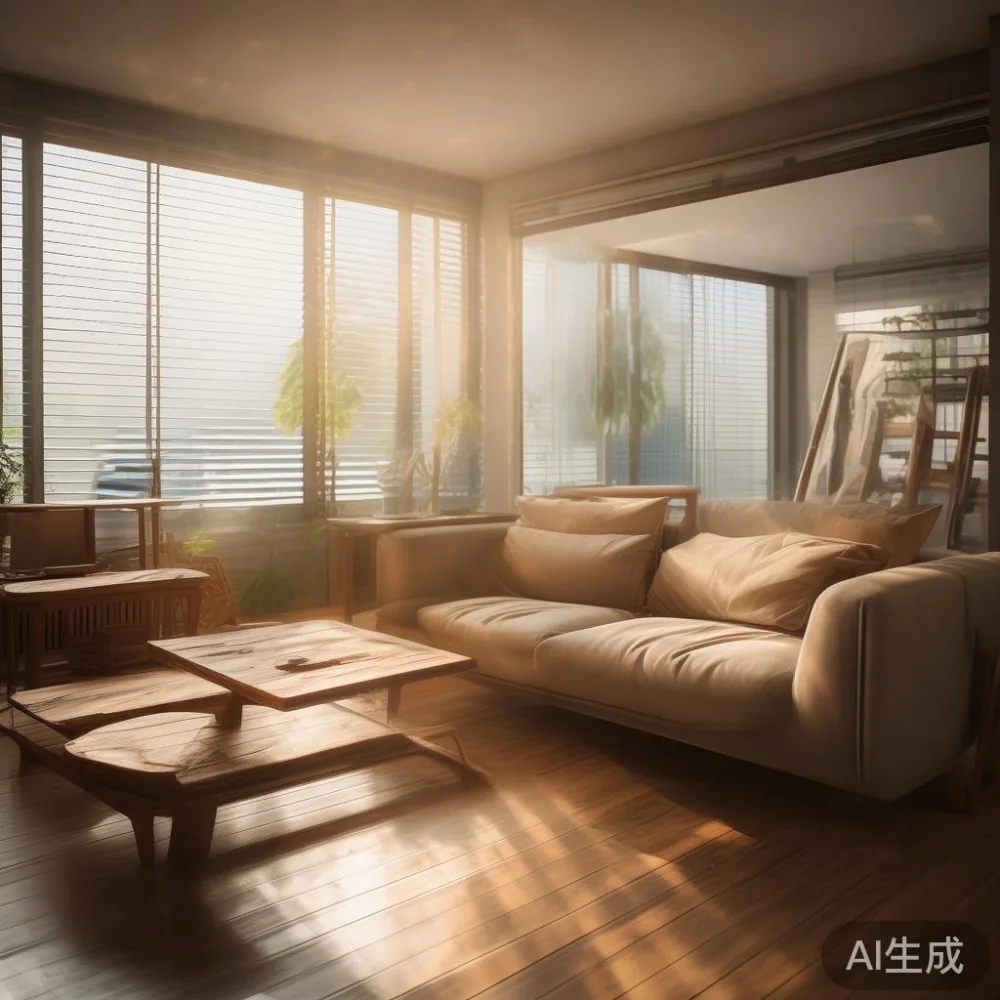
For households in Tampines, Bedok, and Punggol, the answer is not to avoid wood. It is to understand how moisture moves through timber, choose stable construction, and control the room around the furniture. MIDHILL has made solid wood furniture since 2008, and its 10-year structural warranty reflects the importance of sound joinery and materials that can handle humid conditions.
This guide explains humidity, movement, maintenance, and buying decisions for anyone searching for budget under1000 furniture that suits a Singapore apartment. Prices below are indicative and shown in SGD, with GST included for local purchases.
Why Does Humidity Affect Solid Wood Furniture in Singapore?
Singapore has no dry season in the conventional sense. Outdoor relative humidity commonly ranges from 65% to 90%, while an air-conditioned HDB flat may sit near 45% to 60%. Air conditioners remove moisture quickly, but the building still exchanges humid air whenever doors are opened or unconditioned corridors admit warmer, wetter air.
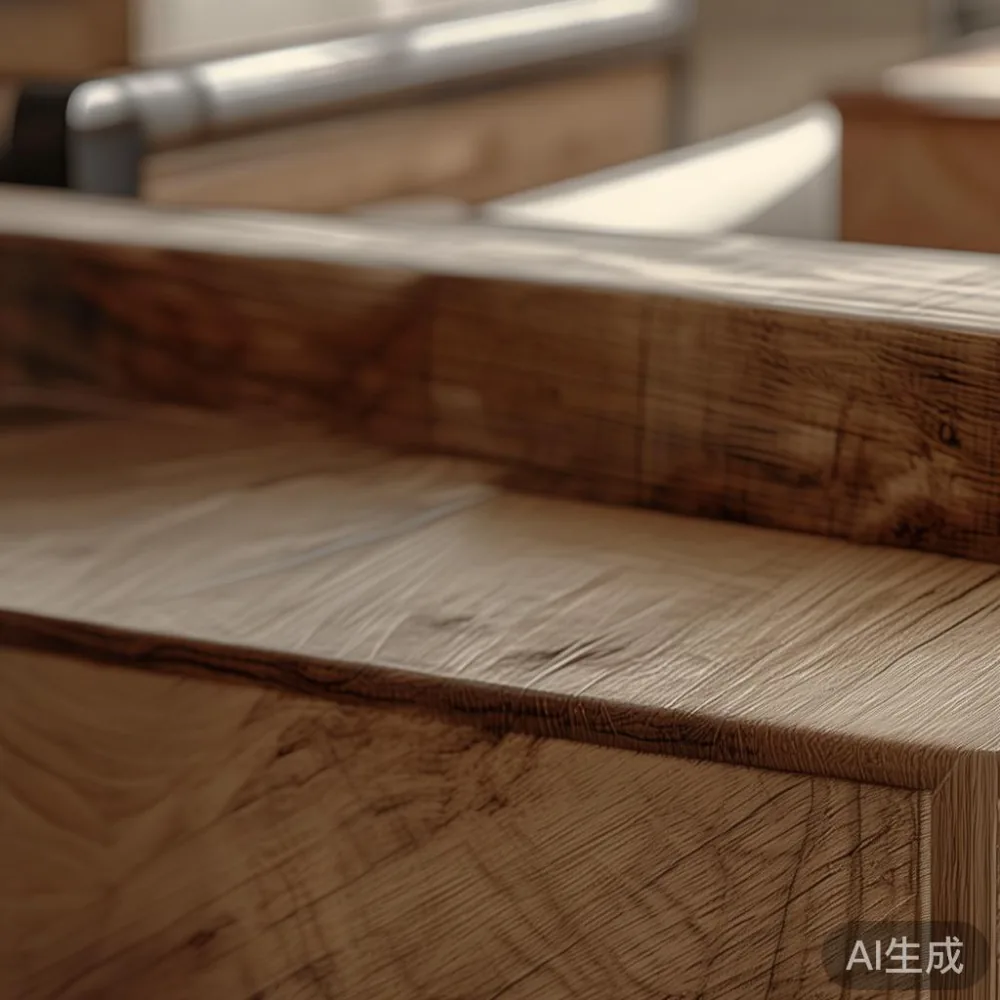
Wood is hygroscopic: it absorbs or releases water vapour as the surrounding humidity changes. A solid wood sofa frame with a 60 cm width and a 45 cm depth is especially exposed around its underside, where airflow is weak. A dining table with a 180 cm length has a larger surface through which moisture can enter and leave. Timber may expand across its grain by roughly 1% to 3% during pronounced seasonal changes, although the exact amount varies by species, thickness, finish, and construction.
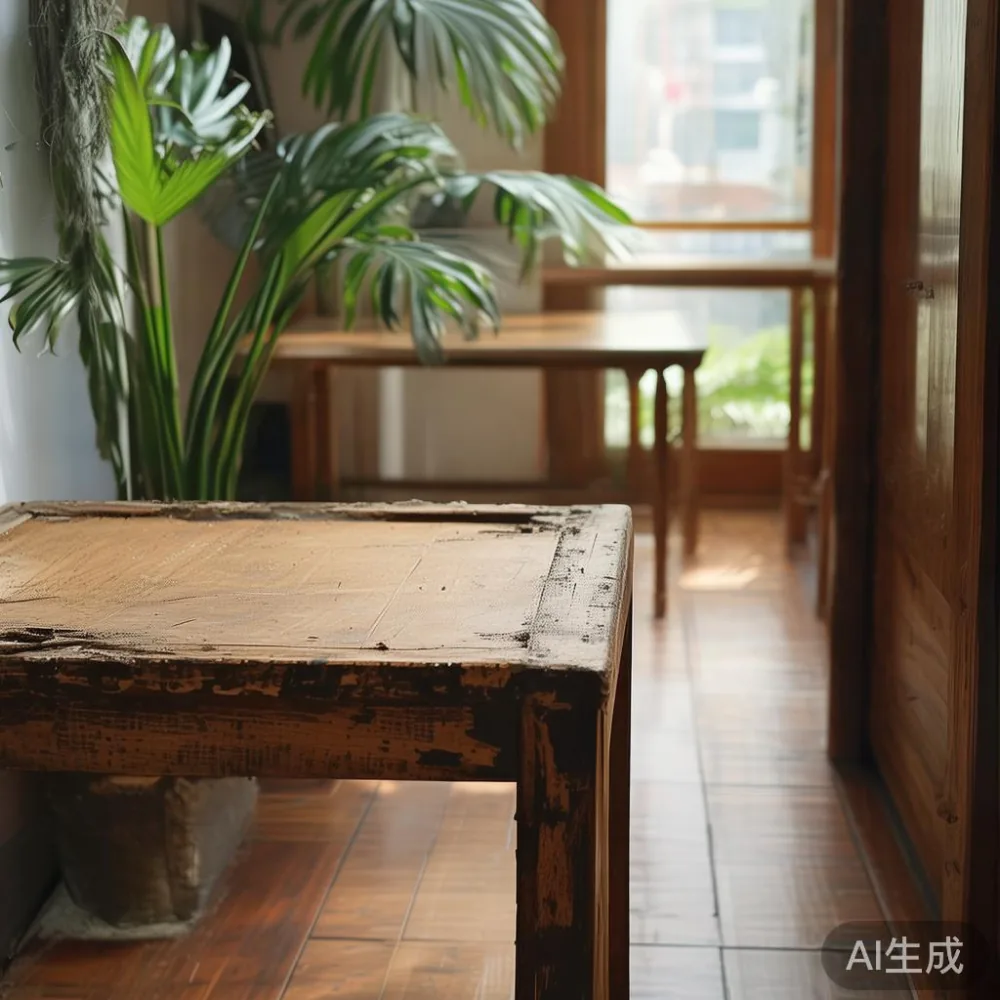
Surface finishes slow moisture exchange, but they do not make wood moisture-proof. A lacquered nightstand may need 2 to 4 hours after a wipe before it should be treated as dry. An oiled surface generally absorbs moisture more readily and may need refreshing every 6 to 12 months in a persistently humid room.
The practical target for most wooden furniture is about 45% to 60% relative humidity. Above 70%, movement becomes more noticeable, mould risk rises on damp surfaces, and veneer may loosen. Below 35%, wood can shrink and develop fine checks, though this is less common in Singapore than in drier air-conditioned offices.
What Signs of Humidity Trouble Should Homeowners Notice?
The first sign is often visual. Grain lines appear darker, a finish loses its crispness, or one section of a wardrobe looks dull beside another. Doors and drawer fronts may feel tight, while a sliding panel may move unusually freely. These symptoms can also come from a loose hinge or a swollen runner, so clean the runners and check the screws before blaming moisture.
Look for tiny bubbles or peeling at a table edge, a soft feel in a veneered corner, or white deposits near a metal fitting. Lift a coaster and inspect the surface beneath it. If the wood is cool, damp, or discoloured, move the item away from that location. Persistent dampness can encourage mould within 48 to 72 hours.
Use a digital hygrometer rather than guessing. Place one near the wardrobe, another beside the bed frame, and check both at 8 a.m. and 9 p.m. over 7 days. A living-room reading of 58% beside a bedside reading of 74% points to a local problem: perhaps a frequently opened balcony door or an air-conditioning vent directed at the bed.
For a solid wood dining table, place it at least 60 cm from a sliding door if possible, and at least 30 cm from an air-conditioning outlet. Avoid a wall pressed directly against a wardrobe side, because trapped air and dust make inspection difficult. A 5 cm gap permits airflow and allows the owner to wipe the rear panel.
Will Singapore’s HDB Flats and Condos Really Stress Wooden Furniture?
Yes, but the building type changes the risk. In an HDB flat, the kitchen and bathroom can be among the most humid zones. A dining table placed 1.5 m from a wet kitchen may encounter 70% to 80% humidity during cooking. Condos may have larger glazing, wider corridors, and stronger air conditioning, yet balcony doors and service corridors can create sharp humidity transitions.
Space matters. Many lift lobbies and apartment corridors are designed around standard moving loads, but furniture buyers still need to measure the route before ordering. A dining table listed at 180 cm by 90 cm may have a top that enters a lift readily, while its assembled length can be impossible to turn inside a narrow corridor. Record the lift door width, cabin depth, corridor turns, and hallway width. Allow at least 10 cm of clearance around bulky boxes so two people can pivot them safely.
Measure the actual delivery route rather than relying on a floor plan. A common compact lift car is about 110 cm deep and 140 cm wide at the door, but internal dimensions vary. Confirm the service lift with the building management and reserve the delivery slot where required. It can take 5 to 10 minutes longer than a straightforward doorstep delivery.
Compact proportions can also improve comfort. A dining table 120 cm to 140 cm long may suit a 90 cm lift better than a 200 cm version. A bed frame supplied in 2 sections of roughly 70 kg each is easier to manage than a rigid 100 kg frame. For a wardrobe, check whether the carcass arrives flat-packed or upright. Flat panels are usually easier through a 90 cm door, while an assembled 210 cm wardrobe may not turn through a stair landing.
How Should You Choose Humidity-Resistant Furniture Under S$1,000?
Start with the core material. Solid wood is generally more dimensionally stable than ordinary particleboard when properly finished, because it can move slightly without crumbling at the edge. Look for kiln-dried hardwood, sound mortise-and-tenon or dowelled joinery, and rear panels that are fitted rather than merely nailed in place.
Do not equate “solid wood” with moisture-proof. A solid wood sofa with hardwood feet may still include plywood or MDF beneath its cushions and webbing. Ask the seller which parts are solid timber and which are engineered panels. A dining table should have a solid top at least 2 cm thick; a 2.5 cm to 3 cm top offers more resistance to cupping than a very thin panel.
Finish matters too. Factory lacquer can offer good moisture control and usually needs less attention than wax. Water-based coatings have a lighter colour and are easy to repair, but they can be more sensitive to standing water. A penetrating oil finish gives oak, ash, or teak a tactile French provincial appearance, though it should be renewed more often near the coast.
The exact phrase budget under1000 works best as a ceiling, not a promise that every item will be equally stable. Compare construction, dimensions, finish, and included warranty rather than looking only at the lowest price. For example, a SGD 699 dining table with a 3 cm top and lockable drawer may be more suitable for a humid flat than a SGD 499 table with a thin top and exposed particleboard base.
MIDHILL supports purchases above US$350 with free shipping, while Singapore orders remain subject to local GST. Because the quoted free-shipping threshold is in US dollars, check the current SGD checkout total. A 14-day return window also allows customers to assess colour, scale, and finish at home, provided the furniture is unused and in its original packaging.
Which Furniture Categories Need the Most Humidity Attention?
Wardrobes demand close attention because they often stand against external walls and enclosed corners. An 180 cm wardrobe with 2 sliding doors may be harder to ventilate than a 120 cm unit with hinged doors. Hinged doors can be adjusted, and their gaskets may provide better protection from humid air. A 2 cm solid timber frame with a proper back panel is preferable to a hollow frame with 3 mm hardboard.
For a French provincial bedroom, a MIDHILL wardrobe can bring carved details and pale finishes into a Punggol master bedroom. The style is visually soft, so humidity marks stand out more readily on a cream finish than on dark walnut. Keep 20 cm between tall furniture and the bedroom window if the layout allows, and open the door briefly after showering.
Bed frames also sit close to people, making comfort and stability noticeable. The phrase best Minimalist bed for 2026 should lead to a restrained design with a centre support leg, not a marketing claim. For queen sizes, add a centre support when the span exceeds roughly 160 cm. Check that the headboard joints remain firm after 6 to 8 weeks of use.
A French provincial dressing table should not be placed directly against a bathroom wall. Its drawers need clearance for their knobs, and the back must remain dry. Use a mat under cosmetics and keep perfume or aerosol spray away from the timber. A nightstand needs a coaster for a 350 ml glass of water and should stand 30 cm from a shower cubicle.
Dining tables face spills, hot dishes, and kitchen vapour. A French provincial for dining room setting usually includes a pale timber finish and decorative edges, both of which show water rings. Place trivets under hot vessels, wipe spills within 15 minutes, and do not leave a damp cloth overnight. Under a dinner plate, use a cork or bamboo mat rated for at least 3 cm of width.
For a study, Italian light luxury for office can be interpreted as restrained walnut tones, aligned lines, and durable storage rather than excessive decoration. A 140 cm desk should include a modesty panel and a cable opening of at least 8 cm by 4 cm. Keep electronics 5 cm above the surface and maintain 40% to 50% room humidity where possible.
What Is the Best Way to Maintain Wood Furniture in a Humid Climate?
Clean with a soft, damp cloth and mild pH-neutral soap. Wring the cloth until only a thin film remains, then dry the surface immediately. A stronger household cleaner can strip wax or dull lacquer. Avoid silicone sprays, ammonia, and soaking cloths, as they leave residue or attack some coatings.
Control the room before treating the furniture. Running a dehumidifier in a closed HDB flat may hold humidity at 50% to 58%, but an open balcony door will defeat it. Use exhaust fans during cooking and showering, clean condensate trays every 2 to 4 weeks, and direct air-conditioning vents away from timber. A hygrometer with a 1% accuracy range is more useful than a cheap analogue model with 5% to 10% error.
For oil-finished pieces, apply a thin coat once the wood is clean and dry. Use 2 thin applications rather than 1 heavy coat, allow 12 to 24 hours between them, and place cloths in a sealed bag. Oiled teak darkens with light and moisture exposure; customers who prefer a uniform appearance should expect that change.
Inspect moving parts every 3 months. Tighten a wardrobe hinge if the door begins to drop, but do not overtighten it, as excess pressure can distort the timber. Mark the position with masking tape before adjusting. If a drawer swells, empty it, remove runners only if the manufacturer permits, and wipe the grooves with a dry cloth.
Small scratches can often be addressed with a colour-matched touch-up pencil. Deep splits, lifting veneer, or mould growth require a different response. Photograph the area, measure it, and contact the seller promptly. MIDHILL’s 10-year structural warranty covers eligible structural issues, while its lifetime refinishing service supports long-term surface care.
Can Air Conditioning Alone Protect Furniture in Singapore?
Air conditioning helps, but it creates its own movement cycle. A room may fall from 78% humidity to 48% over 3 hours, causing the wood to shrink slightly. Repeated cycles around an open wardrobe can loosen joints and create gaps. Stable indoor conditions are more useful than simply running the system at the lowest temperature.
Set the thermostat near 26°C, avoid blowing cold air directly at a dining table or bed frame, and use a separate hygrometer to verify the result. If the reading remains above 60% for more than 4 hours, improve ventilation or use a dehumidifier. For wardrobes positioned beside a bathroom, a small fan can move 15 to 30 cubic metres of air per hour without adding much heat.
Seasonal planning also matters. Before the year-end monsoon period, inspect drawer runners, renew oil finishes, and check that storage boxes do not press against wardrobe backs. Leave 3 cm between a radiator, if present, and the furniture. In air-conditioned bedrooms, keep the wardrobe door closed during the hottest 2 hours of the afternoon, then ventilate briefly once the room stabilises.
How Can Buyers Judge Quality Before Delivery?
Ask for material, dimensions, finish, and warranty information before paying. A credible supplier should be able to state the timber species or product type, top thickness, joinery method, and delivery time. For Singapore, allow roughly 7 to 21 delivery days for made-to-order pieces, while stock items may arrive within 3 to 10 days after dispatch. Peak moving periods can add 3 to 7 days.
On delivery, inspect packaging before accepting it. Look for crushed corners, water staining, or a broken carton seam. Photograph the furniture before assembly and record any scratches. Check door alignment after installation, especially on a 60 cm solid wood sofa, a 2-door wardrobe, and a table with drawers. Allow 24 to 48 hours for new furniture to adjust to the room’s temperature and humidity.
Budget under1000 is a sensible starting point for one well-made accent piece, but the total cost includes delivery, assembly, and care. A SGD 899 dining table may require 2 workers and 20 minutes of assembly; a SGD 299 nightstand may need only 10 minutes. Ask whether the quoted SGD price includes GST and delivery to the specific HDB block or condo.
For a French provincial dressing table, solid wood construction, a sealed top, and adjustable legs are more useful than heavily carved decoration in a humid apartment. For a marble table, check the base and fixing method as carefully as the stone. A 4 cm marble top may weigh 75 kg to 100 kg depending on its dimensions, so lift capacity and route planning matter more than the decorative profile.
What Humidity Level Should a Singapore Home Maintain?
Aim for 45% to 60% relative humidity in living spaces and 40% to 55% inside enclosed wardrobes. Measure at floor level and near a wall because readings can differ by 5% to 10%. In a Tampines flat near a frequently opened balcony, a dehumidifier may be needed for 2 to 3 hours daily. Bedok units next to a wet kitchen may benefit from stronger exhaust and a moisture absorber placed away from furniture.
Do not place activated charcoal or calcium chloride directly against wood. These materials collect water and may create a damp spot or salt-like residue. If used, put them in a ventilated container on a separate shelf. Replace a disposable dehumidifier pouch every 2 to 4 weeks in humid weather, following its saturation indicator.
The central rule is simple: keep moisture moving, finishes intact, and timber away from persistent dampness. Solid wood furniture can last for decades in Singapore when the owner expects seasonal movement and responds to small changes early. That approach supports both practical daily use and the light luxury for apartment market, where refined construction and responsible care matter more than pretending wood is immune to the climate.