Lacquered Furniture Care: Perfecting Your Singapore Home
Living with lacquered furniture in Singapore means balancing humidity, heat, sunlight, and daily use. The goal is not to keep a solid wood sofa, bed frame, dining table, wardrobe, or nightstand spotless in an unrealistic sense. It is to protect the finish, slow visible wear, and make maintenance manageable inside an HDB flat, Tampines condo, or Punggol apartment where rooms may feel narrow and ventilation varies.
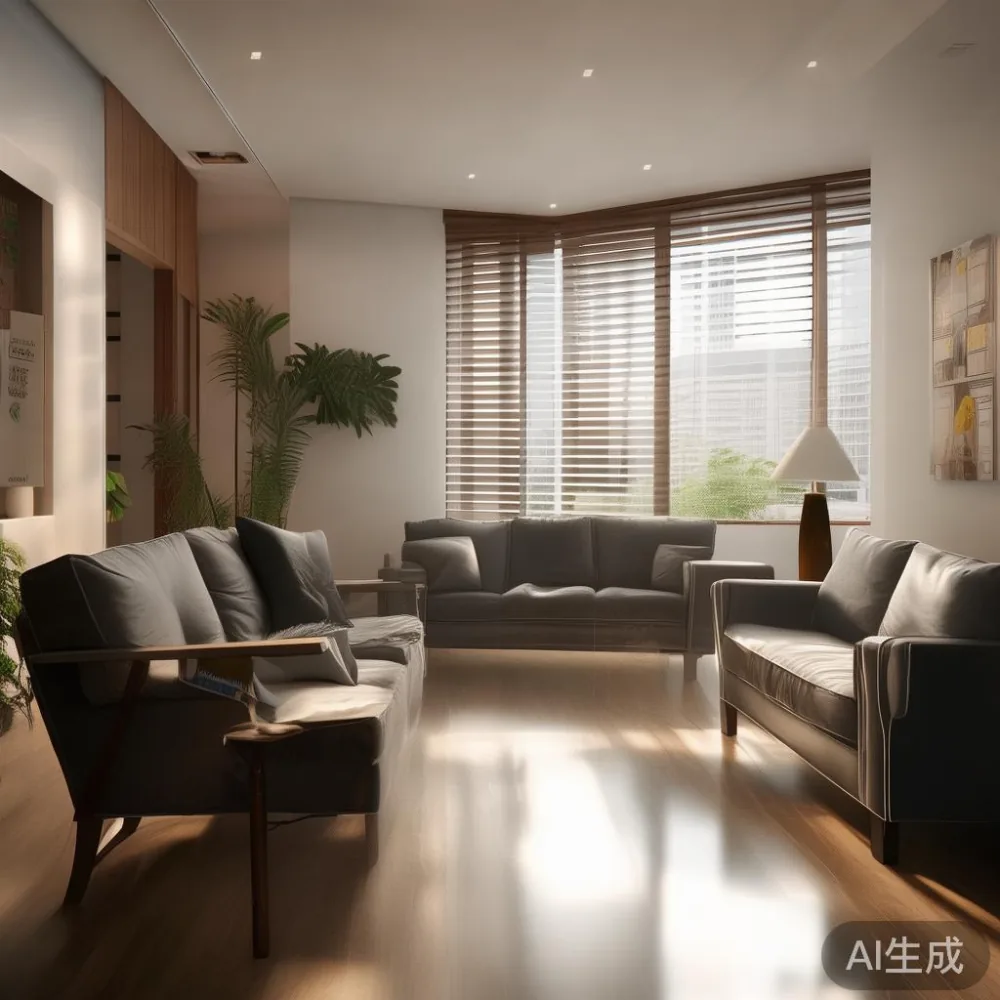
At MIDHILL, our approach to lacquer reflects an American light luxury preference for polished surfaces, restrained profiles, and practical endurance. A well-cared lacquer can remain elegant without turning upkeep into a full-time household project. The figures below cover care routines, drying times, cleaning distances, coverage, and practical costs in Singapore dollars.
What humidity does lacquered wood in Singapore?
<Singapore’s outdoor relative humidity commonly ranges from about 65% to 90%, while air-conditioned interiors may sit between 45% and 65%. Lacquer is less porous than unfinished timber, but repeated moisture exposure can still create condensation, soften an adhesive line, or leave faint haze around a joint. Temperature changes from a cool bedroom to a warm corridor can be substantial too, especially where an external wall receives afternoon sun.
Keep indoor relative humidity between 45% and 65% where possible. A digital hygrometer costing about SGD 25 gives a more useful reading than guessing. Place it near the lacquered piece, not beside a window or directly below an air-conditioning vent. If the reading stays above 70% for more than 4 hours, improve airflow or run the air conditioner for 30 to 60 minutes. Maintain at least 5 cm of clearance behind a wardrobe and 10 cm around a bed frame where air can circulate.
For a new lacquered dining table, allow the surface to acclimatise for 48 to 72 hours before loading it with tableware, plants, or decorative objects. Check the package and moisture condition on delivery day. If the wrapping feels cold or damp, leave the table unpacked in an airy room for 12 hours before inspection. A photo record taken from 4 angles is useful for documenting transit damage.
Do not use a moisture-repellent product simply because the surface looks dull. Some sprays leave an oily film that interferes with later repair. If a finish has been altered by cleaning products, consult the supplier before applying a different treatment. MIDHILL offers a 10-year structural warranty and lifetime refinishing, while lacquer-related service terms should be confirmed for the individual product and finish.
How should I clean a lacquered surface?
Use a soft, lint-free microfibre cloth, clean lukewarm water, and a small amount of mild dishwashing liquid. A practical dilution is 5 ml of detergent in 500 ml of water. Spray the solution onto the cloth rather than the furniture, then wipe from the front edge toward the back. Excess liquid should never pool around joints or pull-out rails.
For ordinary dust, clean once every 7 days. High-use surfaces such as a dining table, nightstand, or coffee table can be wiped every 2 to 3 days. After cleaning, use a second damp cloth to remove residue, followed by a dry cloth. The whole process should take under 5 minutes for a 120 cm dining table and about 3 minutes for a 50 cm nightstand.
Do not use vinegar, ammonia, bleach, alcohol, abrasive pads, steel wool, or household sprays containing silicone. Although some can remove marks quickly, they can strip the top coat or leave a patchy surface. Coffee-ring marks on a lacquered coffee table are often better managed with a lightly damp cloth and a soft cloth buffed for 30 to 60 seconds than with aggressive scrubbing.
For spills, act within 2 minutes where possible. Blot rather than rub. A clean cloth can usually lift water, juice, or wine from a sound lacquer. Grease may require a second pass with the diluted detergent. Test any cleaner on a concealed 5 cm by 5 cm area and wait 24 hours before treating the visible section.
In a narrow Bedok HDB corridor, furniture should be wrapped before the move. Use 8 cm-thick foam corners, 2 layers of cardboard, and 3 cm of soft padding. Avoid pressing tape directly onto lacquer. For premium lines, a search for for sale French furniture can provide useful examples of pale finishes and finely detailed surfaces, but cleaning methods should always follow the supplier’s instructions rather than a style label.
Does heat and sunlight cause lacquer to fade?
Heat and ultraviolet light can fade pigment and make a lacquer less even. Singapore receives strong sun throughout the year, and west-facing HDB flats can receive direct afternoon light for 1 to 3 hours. A dining table placed 2 metres from a west window may experience noticeably stronger exposure than one 4 metres away.
Use blinds, curtains, or UV-filtering film rather than relying on an air conditioner alone. Keep lacquered furniture at least 30 cm from a window when curtains are closed. A bed frame and wardrobe should not be pushed directly against a sun-facing wall if their edges are exposed. Rotate accessories every 3 months to reduce uneven fading around a nightstand or table centre.
Do not place a hot bowl, cooking pot, or mug directly on lacquer. A ceramic coaster with a 10 cm diameter and a 3 mm silicone base reduces heat transfer. Although a typical mug may feel manageable, a bowl at 70°C can damage the finish quickly. Use a trivet under an induction-heated pot and allow it to cool for 20 minutes before moving it.
Solid wood beneath lacquer can expand and contract with humidity. Small, stable movement is normal, while a sharp crack, lifting edge, or hollow sound may indicate a structural or adhesive issue. Photograph the affected area with a 10 cm ruler beside it and contact the manufacturer within 48 hours. Do not fill a lifting edge with household glue, because that can trap moisture and complicate professional repair.
How do I remove scratches without ruining the finish?
First determine whether the mark is in the lacquer or in the wood. Run a fingernail lightly across it. A surface mark usually does not catch, while a deep split or exposed grain may. A magnifying glass at 10x magnification helps distinguish dust, superficial scratching, and a chipped edge.
For a light scratch, place a clean microfibre cloth over the area and warm it gently with a hairdryer set to low for 5 to 10 seconds, keeping the dryer at least 20 cm away. Move the cloth in small circles. The heat may soften a minor surface indentation, but it will not repair missing lacquer. Stop if the surface becomes sticky or smells strongly.
A lacquer repair crayon can handle a small chip, provided the colour and sheen match. Test it on an underside or hidden edge. For a dining table, the under-table area is less visible but should still be checked for moisture. Some wax-based crayons can collect dust in a humid room, so apply only a very thin layer and buff after 60 seconds.
Deep gouges, burns, or lifted lacquer need a controlled refinishing process. MIDHILL provides lifetime refinishing, making it sensible to document the issue and retain the original order details. If the item came through a showroom or a distributor, the responsible party may need to arrange assessment rather than applying a generic kit.
For those comparing bedroom designs, Japanese bed vs Japandi bed choices often involve light woods, clean lines, and calm visual proportions. Lacquer care matters equally in both because a humid climate can affect coated frames and bedside surfaces differently. A bedroom in Punggol may also have limited airflow around a flush bed frame, so leave gaps of at least 5 cm along non-wall sides where the design allows.
How should I move lacquered furniture through HDB flats and condos?
Measure before ordering delivery help. A standard HDB lift opening may be about 90 cm wide and 200 cm high, although internal dimensions vary by block. A condo service lift may offer a 120 cm to 150 cm door opening with a 210 cm to 240 cm cabin depth. Confirm the lift dimensions, turning space, parking bay distance, and route from the loading area.
Check whether the corridor narrows below 100 cm at any point. A 180 cm dining table cannot be turned safely through a 90 cm bend if its ends remain rigid. Remove the legs where the design permits, protect each fixing with a 5 cm foam sleeve, and bag and label every screw in a 15 cm plastic bag taped to the underside.
Use 4 to 6 trained movers for a large solid wood sofa or dining table. The combined safe working load should comfortably exceed the furniture weight; a 65 kg dining table needs a team capable of controlling it rather than carrying it by the top edge. Straps should sit around the protected base, not across a lacquered top. For wardrobes, remove doors and shelves individually, then secure the carcass upright on a padded trolley.
Plan at least 1 delivery slot of 45 to 90 minutes for HDB installation and 2 to 3 hours for a complex condo move. Expect access charges of about SGD 30 to SGD 80 for a standard lift booking, with additional fees for long-carry, early-morning, or non-service-lift work. Confirm these amounts before the moving date.
Good packaging protects more than the furniture. It also reduces the chance of moisture trapped under plastic. Unwrap within 2 hours of arrival where possible, discard all foam and cardboard after checking every side, and avoid leaving protective film in place for more than 14 days unless the manufacturer says otherwise.
Can humidity affect a lacquered bed frame, wardrobe, and marble table?
Yes, but the response differs by material. A lacquered solid wood bed frame may show small seasonal movement around joints. A lacquered wardrobe needs airflow behind the back panel, especially in a compact room. A marble table has a different risk: the stone itself is not affected by humidity in the same way, although its protective sealer, adhesive, and metal fittings can be affected by moisture.
For a marble table, use a pH-neutral cleaner and dry the top after every use. Keep drinks in stable containers and avoid acidic liquids such as lemon juice or vinegar sitting on the surface for more than 5 minutes. Wipe salt spray or perspiration promptly, particularly on outdoor condo balconies. A silicone-free stone treatment can be renewed every 12 to 18 months, subject to the stone’s finish.
Do not stack objects directly on a wardrobe top if they may transmit moisture. Leave 5 cm between the wardrobe and adjacent cabinetry. For a bed frame, inspect the slat area every 6 months and tighten visible fittings only if the manufacturer permits. A torque pattern of roughly 1 to 2 Nm is suitable for many domestic screws, but do not force a fastener or assume it applies to every hardware type.
Buyers searching for designer Italian light luxury furniture often associate glossy stone, pale timber, and precise detailing with a refined post-modern light luxury mood. That look still depends on disciplined care in Singapore. The aim is to preserve material honesty, proportion, and clean sightlines rather than hide every sign of use.
How often should lacquered furniture be maintained?
A simple schedule prevents most problems. Dust high-use surfaces every 7 days, clean the full dining table every 14 days, and check lacquer edges every 3 months. Inspect a wardrobe back panel twice a year and a bed frame every 6 months. Keep a hygrometer near the main furniture zone and record readings once each morning and evening for 1 week at the start of a particularly humid period.
Use protective pads under table runners, candle holders, and hot appliances. Replace felt or silicone pads every 12 months because compressed debris can scratch. Open internal drawers for 10 minutes every 2 weeks to encourage airflow. In a tightly sealed Punggol studio with limited natural ventilation, an air purifier with a HEPA filter can reduce airborne dust, but it does not replace humidity control.
Midnight’s how to choose Japandi bed decisions should include room measurements, ventilation, and finish maintenance, not only the visual style. Allow at least 60 cm beside a double bed where space permits, 90 cm at the foot for circulation, and a route of at least 45 cm between the bed and a nightstand. If the room is narrower, a lift-up storage bed may reduce clutter but needs careful moisture monitoring underneath.
Cost also deserves a place in the decision. A lacquer-care kit with microfibre cloths, a soft brush, pH-neutral cleaner, and a hygrometer typically costs SGD 30 to SGD 90. A small touch-up kit may cost SGD 20 to SGD 50. Professional refinishing or colour matching can range from SGD 150 to SGD 600 for a modest item, depending on access and damage.
For trade buyers, MIDHILL can also discuss MIDHILL coffee table wholesale enquiries, though the same finish-care principles apply to commercial use. In a restaurant or showroom, wipe high-contact areas twice each day and inspect edges every 30 days. Keep stock away from loading doors where warm, damp air enters during monsoon periods.
Terms such as for sale Boho furniture and for sale French furniture describe broad design directions, not a universal care formula. A white lacquer needs faster spill response because dirt is more visible; a dark lacquer can show fine scratches; natural-grain lacquer may make minor tonal variation easier to overlook.
What should I do when lacquer reaches an HDB flat?
Inspect before signing the delivery record. Check the top, underside, corners, legs, drawers, and back panels in daylight and under a warm lamp. Use a phone photograph at 1 metre and another close-up at 15 cm. Note every dent, scratch, chip, and moisture mark by name and measurement.
Let the piece settle for 48 to 72 hours before heavy use. During that period, keep windows open when outdoor humidity is lower than indoor humidity, and avoid placing damp cleaning cloths on the surface. Once the item is stable, clean it with the diluted method described earlier.
MIDHILL provides free shipping on orders above US$350, although the equivalent threshold, delivery method, and local charges should be confirmed for Singapore. A 14-day return policy gives buyers time to check scale and finish, but furniture should remain protected and in its original packaging. Transit damage should be photographed before any assembly or movement.
For design enquiries, a useful reference is designer Italian light luxury furniture: consider whether the balance, material weight, and finish suit an HDB flat rather than assuming a showroom look will translate directly. A 200 cm dining table, for example, needs about 300 cm of clear length for comfortable chairs and circulation. A 180 cm model may suit a narrower dining zone but requires careful lift planning.
Who can restore lacquer if an accident happens?
Begin with the manufacturer or authorised seller. Send the purchase date, finish name, photographs, dimensions, and a short description of the spill or impact. If the lacquer has separated from the timber, avoid heat, solvent, and adhesive. If there is only a surface mark, a touch-up crayon may be sufficient.
Professional repair often involves cleaning, local abrasion, colour adjustment, primer, and a new lacquer coat. A dining table may need 2 to 5 days in a controlled workshop. A bed frame or nightstand may require less time, but colour matching under Singapore’s warm light can take another 1 to 2 days. Never accept a repair without a 24-hour curing period and a written care instruction.
For local advice, call +86 188 2788 2512 and provide the product dimensions before requesting a quotation. Confirm whether collection is required and whether the service applies to lacquer, stone, or timber. Keep photographs of the condition before transport so the delivery team handles responsibility clearly.
The most useful habit is simple: respond within 48 hours, control moisture, clean gently, and protect hot surfaces. That routine preserves the crisp character of French light luxury, the disciplined tone of American light luxury, and the sculptural restraint of post-modern light luxury while keeping lacquered furniture suitable for real Singapore homes.