Maintaining Lacquer in Singapore’s Climate for Budget Under1000
Humidity, heat, salt-laden air and constant touch can make a lacquered surface look tired faster than its solid wood frame. In Singapore, that matters inside compact HDB flats and condos in Tampines, Bedok and Punggol, where furniture often sits close to windows, air-conditioned corridors and frequently handled surfaces. A lacquered solid wood dining table, wardrobe or nightstand can still age gracefully, but it needs a deliberate routine.
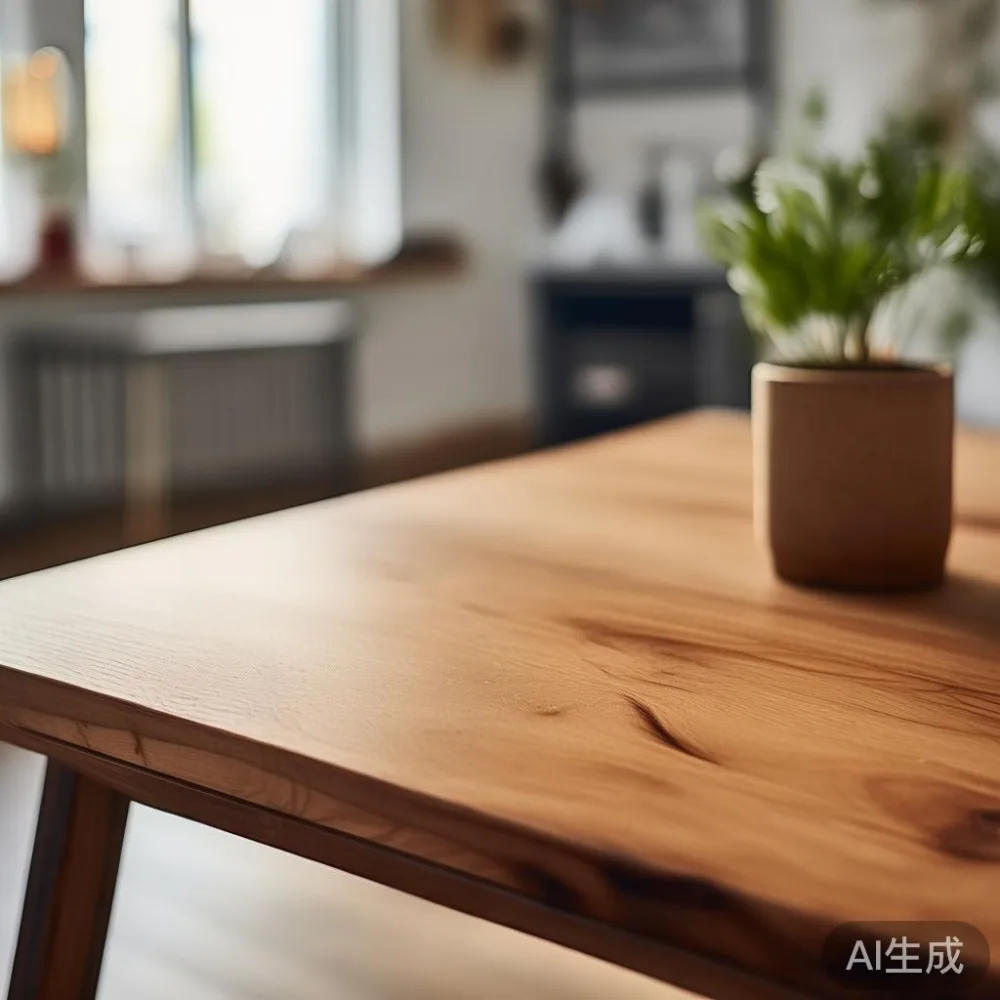
This guide focuses on lacquer protection for solid wood furniture priced under SGD 1,000, where careful care delivers meaningful savings over a 10-year ownership period. MIDHILL designs lacquered pieces with a 10-year structural warranty, and qualified buyers can also arrange lifetime refinishing, subject to the service terms. Lacquer protects the timber; it does not make the surface immune to climate, abrasion or standing water.
Why does lacquer need extra care in Singapore’s humidity?
Singapore’s high relative humidity encourages wood movement, while lacquer responds to heat and moisture by expanding, contracting, dulling or developing fine marks. A dining table placed beside an east-facing window in Bedok may receive several hours of direct morning light. A wardrobe near a Punggol balcony door can collect humid air whenever the air conditioner cycles off. These daily changes matter more than a rare spill.
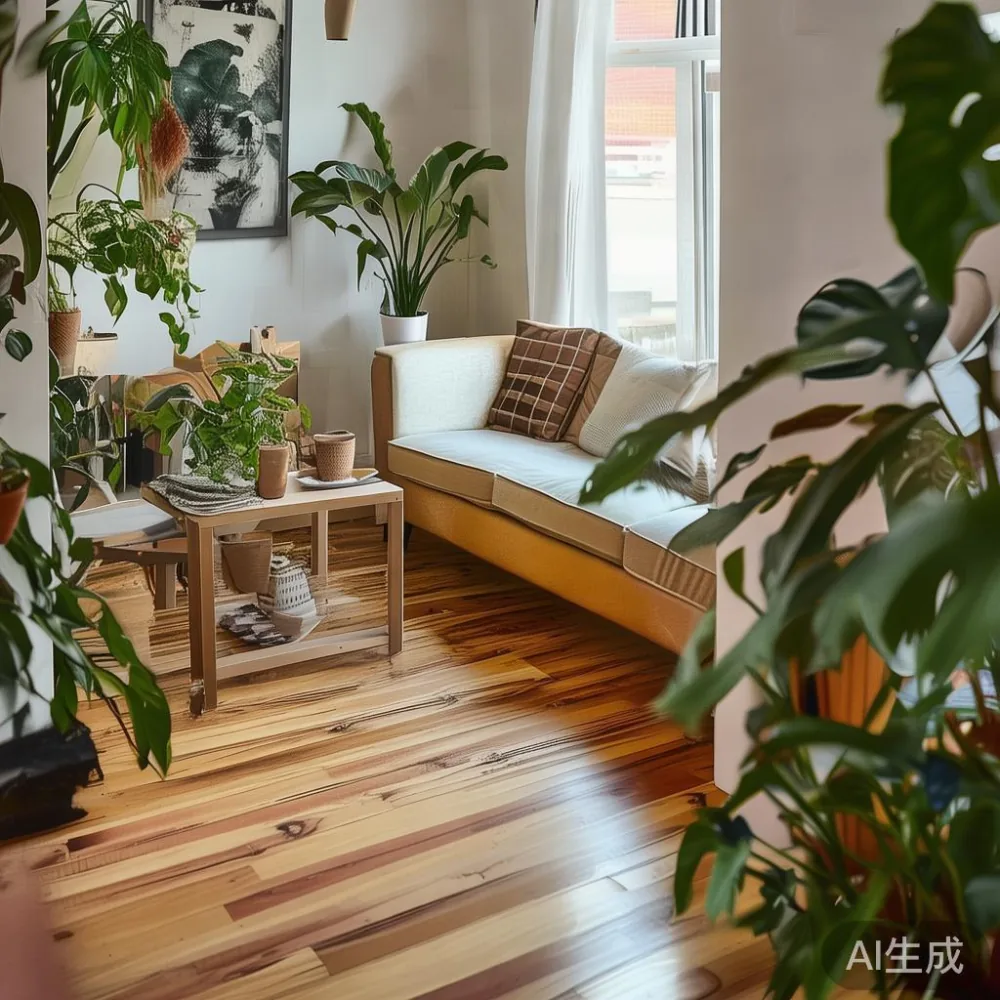
Most indoor environments in Singapore remain comfortable at roughly 24–28°C and 50–70% relative humidity. Aim to keep lacquered furniture away from sustained relative humidity above 75%, direct sunlight and air-conditioning vents. Leave about 10–15 cm between a wall and the back of a wardrobe where possible. That gap improves airflow and makes inspection easier. For lift access in newer HDB blocks, measure the lift door and internal diagonal before delivery; a wardrobe that passes the corridor width may still fail at the turning point.
Use a hygrometer, available for around SGD 15–35, to check the room rather than guessing. Place it near the furniture, but not directly against a wall or vent. If readings remain above 75% for several hours, improve ventilation or run the air conditioner for 30–60 minutes before opening wardrobe doors. Consistent conditions are more useful than occasional aggressive polishing.
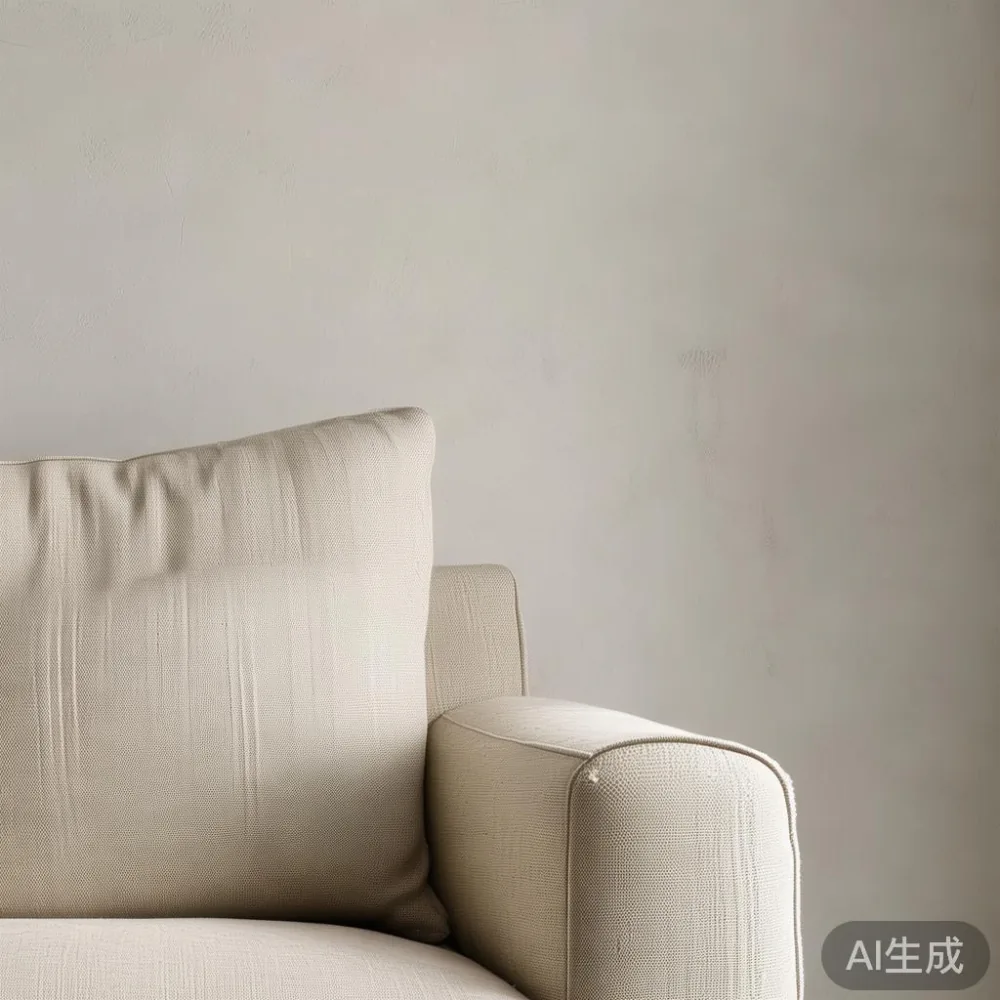
Solid wood beneath lacquer can react differently from metal or plastic. Oak, ash, teak and other timber species may show slight movement across seasonal changes. A well-applied lacquer system should remain bonded, but abrupt wetting can create tiny bubbles or a pale haze. The aim is stable humidity, gentle cleaning and immediate repair.
What cleaning routine is safe for a lacquered surface?
Start with a soft, lint-free microfibre cloth. A dry cloth removes ordinary dust; a lightly damp cloth handles fingerprints. Use approximately 2–5 ml of mild dish soap in 1 litre of lukewarm water, dampen the cloth and wring it until no water drips. Wipe the surface, then use a second dry cloth to remove moisture. Never flood the joint, edge or underside.
Clean spills immediately. If a drink lands on a lacquered nightstand, absorb it within 30 seconds with a paper towel, then wipe the area once with the diluted soap solution. Avoid abrasive pads, wire wool, scouring powder and household glass cleaner. Many glass cleaners contain ammonia or alcohol, which can haze lacquer or damage the film.
Oil-based cleaners and silicone furniture sprays can leave a greasy film that attracts dust. If one has been applied, test a hidden 2 cm area for 24 hours, then remove residue with a clean cloth and a small amount of diluted soap. A specialist lacquer cleaner may be appropriate, but check the manufacturer’s instructions because ingredients vary.
Do not use a steam cleaner on lacquered wood. The heat and moisture can soften the finish or force moisture into joints. For a dining table, use placemats and coasters made from cork, felt or closed-cell foam. A 30 cm coaster protects a typical tumbler, while a 45 cm rectangular mat gives better coverage for a hot serving bowl.
How should I polish without damaging the finish?
Polishing should be occasional rather than weekly. For a high-gloss lacquer, use a clean, soft cloth with a tiny quantity of product specifically labelled for lacquer or the relevant wood finish. Apply roughly a 5 mm dab to a 30 cm section, work in small circles and buff with a separate cloth. Test 48 hours earlier on an inconspicuous area, especially with a darker or satin finish.
Do not assume more product produces more shine. Over-application can create a cloudy layer around edges and corners. Avoid wax on high-gloss lacquer unless the furniture maker confirms compatibility, because wax can collect in joints and complicate future refinishing. If scratches are visible, polishing may not be enough; a colour-matched lacquer repair by a specialist is more controlled.
For practical shopping comparisons, buyers searching for the best light luxury wardrobe for 2026 should look beyond the finish alone. Check the board thickness, drawer runners, hanging space, anti-tip fixings and service terms. A 10-year structural warranty can offer more confidence than a fashionable handle, while a budget under1000 requirement makes specification details worth checking carefully.
How do heat, sunlight and coastal air affect lacquer?
Keep lacquered furniture at least 60 cm from a window when direct sun reaches the surface for long periods. If a layout in a compact Tampines flat makes that impossible, use a UV-filtering curtain or blind with an opaque lining. Close curtains before the strongest afternoon sun arrives, usually between 2 pm and 4 pm, and do not rely on a thin sheer alone.
Heat can lift lacquer if a hot object is left directly on the surface. A laptop that reaches 60°C, a hot pan or a cup of tea can mark a table in minutes. Put a protective mat underneath and allow hot vessels to cool for 10–15 minutes before placing them down. Keep radiators and air-conditioning outlets clear of the furniture because concentrated airflow can cause rapid finish changes.
Singapore’s coastal air carries fine airborne particles. They settle in open grain, around routed edges and on handles. Vacuum upholstery nearby every 7 days and wipe lacquer every 7–14 days, adjusting to visible dust. A soft brush, around 10 cm wide, is useful along a wardrobe cornice or table apron. Avoid feather dusters that merely redistribute dust into the room.
Light-luxury design does not require a showroom atmosphere to remain cared for. French light luxury often pairs pale woods with restrained profiles; American light luxury leans towards generous seating and practical detailing. The finish still needs protection from a 32°C afternoon and a mug placed on the wrong side of the frame.
What should I do about scratches, chips and dull patches?
Assess the damage before reaching for a product. Hairline scratches in a glossy finish may respond to a compatible polish. A deep scratch exposing pale timber needs filling and lacquer work. A chip at the corner of a wardrobe or dining table may require a colour-matched touch-up, followed by careful blending rather than painting over the entire panel.
Keep a white-background photo of the furniture and note the dimensions of damaged areas. If the item is under warranty, contact the seller before making an application. Do not apply paint, marker or nail polish unless a specialist confirms the exact repair system. Such products can create a visible patch and interfere with future refinishing.
For deeper cuts, stop using the affected section if possible. A wardrobe with a damaged drawer front should not carry heavy loads until repaired. A dining table edge should not support weight while the lacquer is open. A nightstand can be moved 10–15 cm away from the wall for inspection, provided the floor is level and the piece is stable.
Minor marks are less disruptive when the design has some visual texture. Post-modern light luxury, for instance, can use repeated lines and softened geometry that reduce the visual impact of small wear marks. This does not replace maintenance, but it can make a 1–2 mm scratch less obvious than on a flawless, mirror-like panel.
How can I keep lacquered furniture looking refined without daily fuss?
Create a 10-minute weekly care routine. Check for spills, wipe accessible surfaces, inspect handles and corners, and confirm that furniture is not pressed against damp walls. Every 3 months, clean the feet and lower edges, check humidity readings and inspect lacquer under good daylight. Every 12 months, review the finish near windows and cooking areas, even if no problem is visible.
Use trays, runners and felt pads as a system. A 40 cm tray protects a lacquered marble table centre from cups, although marble also needs its own sealing advice. Use a 3–5 mm felt pad beneath table lamps and decorative objects, and check every 6 months that the pad has not trapped grit. Avoid rubber feet with unknown plasticisers, which may leave rings.
For bedroom furniture, buyers asking how to style American bed in bedroom should include clearance for airflow and daily access. A solid wood bed frame needs space around the headboard, while the lacquered wardrobe should not crowd the side of the mattress. When deciding how to choose Italian light luxury sofa, consider the route from lift to living room as well as the upholstery; a tightly packed HDB corridor can damage lacquer before the sofa is even in use.
Comparisons such as European bed vs Nordic bed often centre on proportion and visual character, but local conditions belong in the decision. A compact Nordic profile may suit a 3-room flat, yet no bed design resolves humidity exposure. Likewise, Italian light luxury for bedroom may call for layered lighting and generous proportions, but light textiles still need to remain clear of moving doors and damp exterior walls.
How do I move and install lacquered furniture safely?
Measure before ordering. Record the lift door width, internal cabin width, internal diagonal, hallway turns and staircase clearance. Add at least 5 cm working margin rather than assuming a piece that “almost” fits. In older walk-up HDB blocks, assess the turning radius at each landing and remove detachable rails or doors where the manufacturer permits it.
Protect the furniture during the move. Wrap lacquered panels in soft blankets or foam, never directly in cling film, and secure loose doors with straps. Lift by the structural frame where possible rather than pulling on a wardrobe door or table edge. Two people should handle most panels above 25 kg; professional movers should handle heavier or awkward pieces.
Assembly can scratch a surface if hardware is dropped. Place a protective sheet beneath a solid wood dining table before tightening screws, then check that the finished top is level. Wall-anchor wardrobes with suitable fixings and follow the anti-tip instructions. For nightstands and marble table pieces, use the supplied levelling feet and verify stability on uneven floors.
What if I need delivery, returns or refinishing support?
For Singapore deliveries, clarify the date, access requirements and any lift surcharge in writing. A 7–14 day delivery window is common for made-to-order or stock furniture, but production schedules and peak periods can extend it. Check whether the quoted SGD price includes GST, assembly and placement in the room. In a Punggol condo, corridor delivery notes should identify the correct tower and unit, since block-to-block transport can affect timing.
Review the return policy before ordering. A 14-day return period gives buyers time to inspect colour, dimensions and finish under the room’s lighting, but furniture must remain unused or in resale condition. If the lacquer arrives with transit damage, photograph the packaging and item before accepting delivery where possible, and report it within the stated period.
MIDHILL offers a 10-year structural warranty and lifetime refinishing, giving owners a route for major surface renewal. The exact scope, eligibility and service charges should be confirmed for each order. That support is especially useful when choosing a solid wood sofa, bed frame, dining table, wardrobe, nightstand or marble table for a humid home.
For buyers working within budget under1000, set aside about SGD 20–50 for microfibre cloths, coasters and a hygrometer, and avoid spending heavily on chemical cleaners of uncertain compatibility. A smaller wardrobe or dining table that fits the room, combined with disciplined care, often creates a more comfortable home than an oversized piece that is constantly moved. Maintaining a stable climate and addressing marks early helps the finish retain its depth, while clear after-sales terms protect the purchase.